With the increasing emphasis on home-based healthcare,
physiotherapy and rehabilitation equipment can now be effectively used at home,
offering comfort, cost savings, and continuity of care
Importance of Physiotherapy and Rehabilitation at Home
- Convenience
and Comfort: Patients can perform exercises and therapies in their own
space.
- Cost-Effectiveness:
Reduces the need for frequent clinic visits.
- Improved
Compliance: Patients are more likely to adhere to therapy routines at
home.
- Continuous
Monitoring: Some equipment allows tracking of progress over time.
- Enhanced
Recovery: Tailored home rehabilitation programs can accelerate recovery
from injuries, surgeries, or chronic conditions.
- Reduced
Hospital Dependency: Especially beneficial for elderly patients and those
with chronic conditions, minimizing exposure to hospital-acquired
infections.
Common Physiotherapy Equipment for Home Use
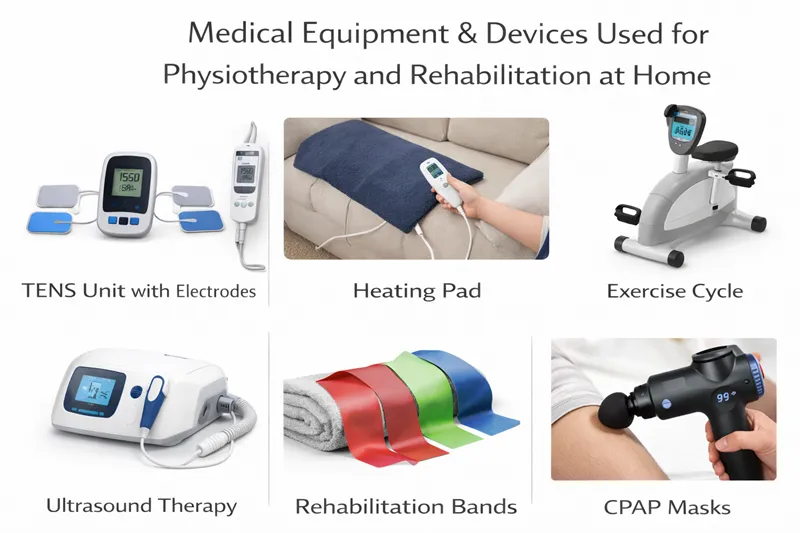
1. Exercise and Strengthening Equipment
- Resistance
Bands and Tubing: Aid in muscle strengthening and flexibility exercises.
- Therapy
Balls (Swiss Balls): Improve balance, core strength, and coordination.
- Hand
Exercisers and Grip Strengtheners: Enhance hand and finger mobility.
- Ankle
and Wrist Weights: Support progressive strength training.
- Stepper
Machines: For low-impact cardiovascular exercise at home.
2. Pain Management and Muscle Therapy Devices
- Ultrasound
Therapy Machines: Reduce pain, inflammation, and promote tissue healing.
- TENS
(Transcutaneous Electrical Nerve Stimulation) Units: Alleviate chronic
pain through electrical stimulation.
- Shortwave
Diathermy Devices: Use electromagnetic energy to relieve muscle tension
and improve circulation.
- Hot
and Cold Therapy Packs: Simple, effective method for reducing inflammation
and muscle soreness.
- Massage
Devices and Percussion Therapy Units: Help relax muscles and enhance blood
flow.
3. Mobility and Rehabilitation Aids
- Walking
Frames, Rollators, and Canes: Support mobility for post-surgery or elderly
patients.
- Wheelchairs:
Manual or motorized, depending on patient needs.
- Standing
Frames: Assist patients in regaining standing ability.
- Balance
Boards and Parallel Bars: Aid in improving coordination and gait training.
- Foam
Rollers and Stretching Straps: Enhance flexibility and muscle recovery.
4. Cardiopulmonary Rehabilitation Equipment
- Pedal
Exercisers: For gentle cardiovascular and leg strengthening exercises.
- Mini
Exercise Bikes: Compact devices for improving endurance and circulation.
- Breathing
Trainers / Incentive Spirometers: Enhance lung capacity and respiratory
muscle strength.
- Hand-Held
Respiratory Muscle Trainers: Improve breathing efficiency and stamina.
5. Posture and Ergonomic Devices
- Back
Supports and Posture Correctors: Reduce strain and support proper
alignment during exercises.
- Cervical
and Lumbar Traction Devices: Help with neck and lower back pain.
- Adjustable
Therapy Beds and Chairs: Facilitate comfort and correct posture during
physiotherapy sessions.
- Ergonomic
Cushions and Footrests: Support correct sitting posture and reduce
fatigue.
Best Practices for Home Physiotherapy and Rehabilitation
- Follow
physician or physiotherapist guidelines strictly.
- Ensure
equipment is correctly set up and used as instructed.
- Monitor
progress and pain levels to prevent injury.
- Maintain
hygiene and regular cleaning of devices.
- Schedule
periodic check-ins with a physiotherapist to adjust therapy plans.
- Keep
a therapy log to track daily exercises, intensity, and progress.
- Use
tele-rehabilitation platforms to consult professionals remotely if
in-person visits are not possible.
Advantages of Home Physiotherapy
- Faster
recovery and reduced downtime
- Personalized,
flexible exercise routines
- Reduced
dependency on healthcare facilities
- Enhanced
comfort and motivation
- Safe
and controlled rehabilitation environment
- Encourages
patient independence and confidence
- Promotes
early intervention to prevent complications
Emerging Trends in Home Physiotherapy and Rehabilitation
- Tele-Physiotherapy:
Virtual consultations, exercise demonstrations, and progress tracking
- Smart
Exercise Equipment: Bluetooth-enabled devices for real-time monitoring
- Wearable
Sensors: Track posture, movement, and rehabilitation progress
- IoT-enabled
Therapy Devices: Allow remote monitoring by physiotherapists
- Gamified
Rehabilitation Apps: Encourage engagement and consistency in exercises
Frequently Asked Questions (FAQs)
1. Can all physiotherapy exercises be done at home?
Many exercises, including strength training, flexibility,
and low-impact cardio, can be safely done at home under professional guidance.
Complex or high-risk procedures may still require clinic supervision.
2. How often should home physiotherapy equipment be used?
Frequency depends on the patient’s condition and treatment
plan. Typically, daily or alternate-day use is recommended, following the
physiotherapist’s guidance.
3. Is professional supervision necessary for home
rehabilitation?
While home-based therapy is convenient, initial training and
regular check-ins with a physiotherapist are essential to ensure proper
technique, prevent injuries, and monitor progress.
4. How do I maintain and clean home physiotherapy
equipment?
Equipment should be cleaned as per manufacturer
instructions, kept dry, and stored properly to prevent damage. Electrical
devices should be serviced regularly to ensure safety.
Conclusion
Home physiotherapy and rehabilitation empower patients to
recover efficiently in a safe and comfortable environment. With the right
equipment, professional guidance, and commitment, individuals can regain
strength, improve mobility, and enhance quality of life without frequent
hospital visits.
At Aarogyaa Bharat, we provide a wide range of certified
physiotherapy and rehabilitation equipment designed for home use, helping
patients and caregivers achieve effective and safe therapy outcomes.