Introduction :
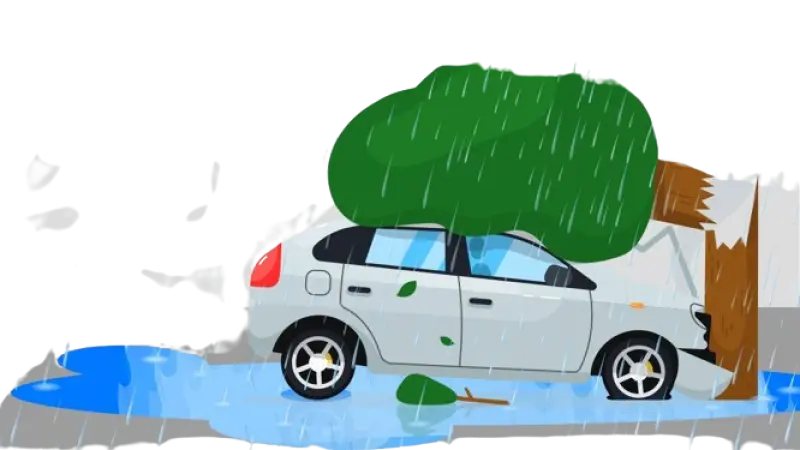
When the monsoon arrives, it brings cool winds, the smell of wet earth, and relief from the scorching heat—but also a sharp spike in road accidents. Potholes hide beneath puddles, brakes respond slower, and visibility drops significantly. Whether you're a two-wheeler rider, car driver, or pedestrian, road safety in monsoon should be your top priority.Why Is Driving During Monsoon Riskier?
Driving in the rain isn’t just about getting wet—it’s about handling unpredictable road conditions. Here’s why you need extra caution:
Slippery roads reduce tire grip, making it easy to skid.
Reduced visibility due to rain, fog, or mist affects judgment.
Waterlogged roads can hide potholes or open manholes.
Brake efficiency drops when the road or vehicle parts are wet.
Pedestrians and bikers are more vulnerable and harder to spot.
Must-Follow Monsoon Road Safety Tips
1. Check Your Vehicle Before You Hit the Road
Start with basic checks:
Tires: Ensure good tread depth. Bald tires = zero grip.
Brakes: Must respond well even when wet.
Wipers: Replace if they leave streaks.
Lights: Fog lights, brake lights, and indicators must be fully functional.
Horn and mirrors: Vital for communication and awareness.
2. Drive Slow, Drive Safe
Speed is the biggest enemy on wet roads. Always:
Maintain lower speeds than usual.
Keep double the distance from the vehicle in front.
Avoid sudden turns or harsh braking.
3. Avoid Water-Logged Areas
If water reaches the silencer or engine, it can cause stalling and permanent damage. If you’re unsure how deep the water is, don’t risk it.
4. Keep Your Windshield Clear
Rain on the outside and fog inside? Use the defogger or set the AC to remove humidity. Keep the windshield clean from both sides.
5. Use Headlights During Heavy Rain
Turn on your headlights even during the day—it helps you see better and makes you more visible to others.
6. Stay Alert for Pedestrians and Two-Wheelers
They’re more likely to slip, and pedestrians may suddenly jump onto the road to avoid puddles. Keep an eye out.
7. Say No to Overtaking
Waterlogged patches or potholes can make overtaking dangerous. Wait for the road to clear rather than taking unnecessary chances.
8. Keep Emergency Supplies
A small kit can go a long way:
Torchlight
Umbrella or raincoat
First-aid kit
Power bank
Car charger
Tow rope or jumper cable (for longer drives)
For Two-Wheeler Riders: Special Advice
Wear bright-colored waterproof gear to stay visible.
Use non-skid footwear and ensure helmet visors are clean.
Be careful around painted road markings—they become slippery when wet.
Bonus Tip: Car Maintenance During Monsoon
Wax your car to prevent rusting.
Clean mud flaps regularly.
Check battery health—wet weather can affect electrical systems.
What Should You Do If Your Vehicle Breaks Down?
Turn on hazard lights.
Move the vehicle to the side of the road, if possible.
Place reflective triangles or indicators behind your vehicle.
Call for help immediately—either from roadside assistance or emergency contacts.
Conclusion: Drive to Arrive
Monsoons are beautiful, but they’re no time to be careless on the roads. Follow these road safety tips during the monsoon not just for your own safety, but also for others who share the road with you.
At Aarogyaa Bharat, we believe prevention is better than cure—not just in health, but also in safety. If you’re looking for first-aid kits, mobility support, or emergency preparedness products, explore our range at aarogyaabharat.com.
Stay safe, stay dry, and most importantly—don’t rush when it rains.