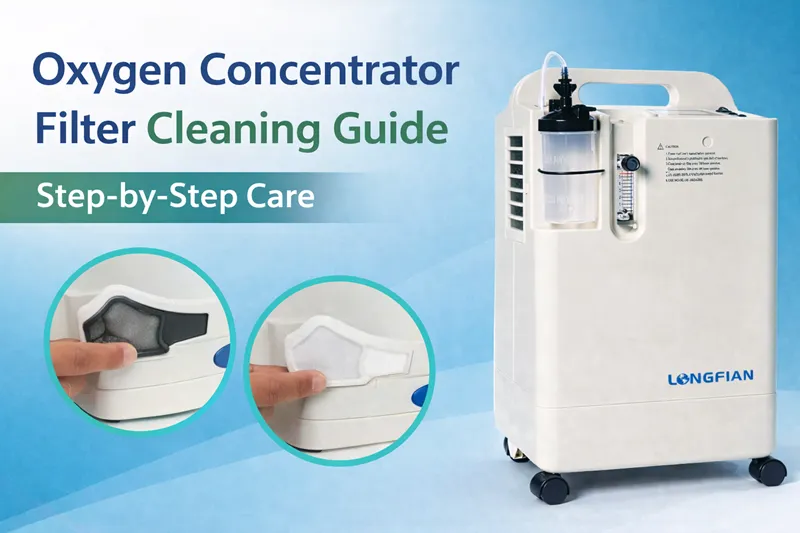
The filters inside an oxygen concentrator act as the
first line of defense against dust, bacteria, pollen, pet hair, and airborne
pollutants that can compromise both machine performance and patient safety if
not maintained properly. Over time, dirty filters restrict airflow, force the
compressor to work harder, reduce oxygen purity, trigger overheating, and
significantly increase the risk of sudden machine failure during therapy hours.
In dusty Indian home environments, where pollution levels are high and windows
are often kept open, filter contamination happens much faster than most users
realize. Neglecting filter cleaning does not just shorten the lifespan of the
concentrator; it also silently degrades the quality of oxygen being delivered
into a patient’s lungs, which can worsen symptoms, increase infection risk, and
undermine the entire purpose of oxygen therapy. This comprehensive guide by
Aarogyaa Bharat explains why filter cleaning matters, how often it should be
done, step-by-step cleaning methods, common mistakes to avoid, warning signs of
dirty filters, long-term maintenance planning, and caregiver responsibilities
so that every household using an oxygen concentrator can ensure safe, hygienic,
and uninterrupted oxygen delivery.
Understanding the Role of Filters in an Oxygen
Concentrator
Every oxygen concentrator contains one or more air intake
filters whose primary function is to trap dust, dirt, pollen, bacteria, and
other airborne particles before air enters the internal compression and oxygen
separation system. These filters protect the molecular sieve beds, compressor
motor, and internal tubing from contamination, allowing the machine to maintain
stable airflow and high oxygen purity levels over long periods of continuous
use. When filters become clogged with dust and debris, airflow into the machine
becomes restricted, forcing the compressor to work harder and generate excess
heat, which increases internal electrical strain and shortens component
lifespan. In such conditions, the concentrator may begin producing oxygen with
lower purity, triggering alarm warnings, or shutting down unexpectedly due to
overheating protection systems. For patients who depend on continuous oxygen
therapy, even a brief interruption caused by filter-related malfunction can
become a serious medical emergency. In Indian households where dust
accumulation is rapid due to pollution, construction activity, fabric fibres,
and pet hair, filters can become heavily contaminated within days rather than
weeks. This makes routine filter inspection and cleaning not just a maintenance
task but a core safety responsibility that directly impacts patient health,
machine reliability, and long-term cost efficiency.
Types of Filters Found in Oxygen Concentrators
Most oxygen concentrators contain two main types of filters,
each serving a distinct function in the air purification and oxygen generation
process. The first is the external air intake filter, usually a foam or
sponge-like material located at the back or side of the machine, which is
designed to capture large dust particles, lint, hair, and visible debris before
air enters the concentrator. This filter is washable and reusable and requires
frequent cleaning because it accumulates dirt quickly in everyday home
environments. The second type is the internal bacterial or HEPA filter, which
traps microscopic particles, bacteria, and fine pollutants that pass through
the external filter, ensuring that only clean air reaches the molecular sieve
system. Unlike external filters, internal filters are not washable and must be
replaced periodically by a trained service technician according to manufacturer
guidelines. Some advanced concentrator models also include secondary intake
filters or carbon filters that provide additional protection against odors and
fine particulate matter. Understanding which filters your concentrator uses is
essential because each type has different cleaning and replacement
requirements, and confusing them can lead to serious maintenance errors.
Why Dirty Filters Are a Hidden Danger for Oxygen Therapy
Dirty oxygen concentrator filters create a chain reaction of
problems that many families fail to connect back to filter neglect because the
machine may continue running even as internal performance silently degrades.
Restricted airflow caused by clogged filters forces the compressor to operate
under higher load, which increases heat generation, raises electricity
consumption, and accelerates wear on internal motor components. As airflow
drops, oxygen separation efficiency declines, resulting in reduced oxygen
purity that may not be immediately obvious to caregivers but can cause gradual
worsening of patient symptoms such as breathlessness, headaches, fatigue, and
mental confusion. Prolonged operation with dirty filters also increases the
risk of internal bacterial growth and contamination, especially in humid
environments where moisture combines with dust inside the machine. Over time,
this can lead to contaminated oxygen being delivered into the patient’s lungs,
increasing the risk of respiratory infections and inflammation. Many sudden
concentrator breakdowns that families attribute to “old age” of the machine are
actually the result of months of filter neglect that caused irreversible
internal damage. Cleaning filters regularly is therefore not optional maintenance;
it is preventive medicine for both the patient and the machine.
How Often Should Oxygen Concentrator Filters Be Cleaned
The frequency of filter cleaning depends heavily on
environmental conditions, machine usage intensity, and manufacturer
recommendations, but in most Indian households, external air intake filters
should be cleaned at least once a week and more frequently in dusty or polluted
areas. Homes located near busy roads, construction sites, factories, or open
fields may require filter cleaning every three to four days because airborne
dust accumulation is significantly higher. If you have pets, carpets, or heavy
fabric furnishings that shed fibres into the air, filter cleaning should be
done even more frequently to prevent hair and lint from clogging airflow.
Internal bacterial filters typically require replacement every six to twelve
months depending on machine model and usage hours, and this should always be
performed by an authorized service technician rather than a family member.
Ignoring manufacturer-recommended cleaning schedules because the filter “looks
clean enough” is a dangerous habit, because fine dust particles that block
airflow are often invisible to the naked eye. Creating a fixed weekly cleaning
routine and marking filter maintenance dates on a calendar is one of the
simplest and most effective ways to prevent long-term machine damage and
therapy interruptions.
Step-by-Step Guide to Cleaning an External Oxygen
Concentrator Filter
Cleaning the external air intake filter is a simple but
highly important procedure that every caregiver should learn and perform
correctly to maintain safe oxygen therapy at home. First, always switch off the
oxygen concentrator and unplug it from the wall socket to eliminate any
electrical risk before handling the filter. Locate the external filter, which
is usually found at the back or side panel of the machine and can be removed by
gently sliding it out or opening a small filter cover. Once removed, inspect
the filter closely for visible dust buildup, discoloration, or hair
accumulation to assess how contaminated it has become. Rinse the filter under
running tap water or soak it in a bowl of lukewarm water mixed with a small
amount of mild liquid soap, gently squeezing the foam material to release
trapped dirt without twisting or tearing it. After washing, rinse the filter
thoroughly with clean water to remove all soap residue, because leftover
detergent can damage the filter material and release harmful fumes when the
machine runs. Shake off excess water and allow the filter to air-dry completely
in a clean, shaded area away from direct sunlight or heat sources, because
moisture left inside the filter can cause mold growth and internal machine
damage. Never reinstall a wet filter into the concentrator, because this can
lead to electrical hazards, bacterial contamination, and immediate airflow
obstruction. Once the filter is fully dry, reinsert it securely into its
original position, ensuring proper alignment so that unfiltered air cannot
bypass it. Plug the machine back in, switch it on, and observe its operation
for a few minutes to confirm normal airflow and alarm-free functioning.
Critical Mistakes to Avoid When Cleaning Filters
One of the most common and dangerous mistakes families make
is reinstalling a filter while it is still damp, which creates a breeding
ground for bacteria and can cause immediate airflow restriction and internal
moisture damage. Another frequent error is using harsh chemicals, bleach,
alcohol, or disinfectant sprays to clean the filter, which can degrade the foam
material, release toxic fumes into the oxygen stream, and permanently damage
the machine’s internal components. Some caregivers also attempt to vacuum
filters instead of washing them, which only removes surface dust while leaving
deeply embedded particles trapped inside the foam structure. Confusing the
washable external filter with the non-washable internal bacterial filter is
another serious mistake that can lead to irreversible damage and void the
machine’s warranty. Ignoring small tears, cracks, or permanent discoloration in
the filter material and continuing to reuse a damaged filter is also unsafe,
because compromised filters allow unfiltered air to enter the machine and
contaminate internal systems. Proper filter care is not just about cleaning; it
is about recognizing when a filter has reached the end of its usable life and
must be replaced.
Warning Signs That Your Oxygen Concentrator Filter Needs
Cleaning
There are several warning signs that indicate a filter may
be dirty even if you have not yet reached your scheduled cleaning day, and
caregivers should be trained to recognize these early signals. Reduced airflow
from the oxygen outlet, increased machine noise, frequent overheating, and
unexplained alarm warnings are common symptoms of restricted air intake caused
by clogged filters. A noticeable increase in electricity consumption or the
machine feeling hotter than usual to the touch are also red flags that the
compressor is working harder due to airflow blockage. Patients may begin
experiencing worsening breathlessness, headaches, fatigue, or lower oxygen
saturation levels despite unchanged flow settings, which can be an indirect
sign of reduced oxygen purity caused by dirty filters. Visibly dusty or
darkened filter material is an obvious indicator, but caregivers should not
rely solely on visual inspection, because microscopic dust particles that block
airflow may not be easily visible. Treating these warning signs as urgent
maintenance signals rather than minor inconveniences can prevent serious
machine failure and therapy interruptions.
Long-Term Filter Maintenance Planning for Home Oxygen
Users
For households using oxygen concentrators on a daily basis,
filter maintenance should be treated as a structured care routine rather than
an occasional task performed only when problems arise. Creating a weekly filter
cleaning schedule and assigning responsibility to a specific caregiver ensures
accountability and consistency, which are critical for long-term machine
reliability. Keeping a maintenance log that records filter cleaning dates,
internal filter replacement history, and service technician visits helps
families track machine health and anticipate future servicing needs. Investing
in spare external filters allows immediate replacement if one becomes damaged
or heavily contaminated, eliminating downtime while waiting for a new filter to
dry. Scheduling annual professional servicing ensures internal filters are
replaced on time and internal airflow pathways are inspected for hidden dust
buildup or bacterial contamination. Long-term maintenance planning reduces
emergency repair costs, prevents sudden breakdowns, and provides peace of mind
that oxygen therapy will remain uninterrupted for patients who depend on it for
survival.
Filter Cleaning and Replacement Schedule Table
|
Filter
Type |
Location |
Cleaning
Method |
Cleaning
Frequency |
Replacement
Frequency |
Who Should
Handle It |
|
External Air
Intake Filter |
Back or side
of machine |
Wash with
mild soap and water, air-dry completely |
Weekly or
every 3–4 days in dusty areas |
Replace if
torn, discoloured, or loose |
Caregiver or
family member |
|
Internal
Bacterial / HEPA Filter |
Inside
machine housing |
Not washable |
Not
applicable |
Every 6–12
months |
Authorized
service technician |
|
Secondary
Intake Filter (if present) |
Near air
inlet |
Wash or
replace as per manual |
Monthly |
As per
manufacturer |
Caregiver or
technician |
|
Carbon / Odor
Filter (if present) |
Internal air
path |
Not washable |
Not
applicable |
As per
manufacturer |
Service
technician |
Why Aarogyaa Bharat Emphasizes Filter Hygiene for Safe
Oxygen Therapy
At Aarogyaa Bharat, we understand that filter hygiene is not
just a technical detail but a foundational element of safe, high-quality oxygen
therapy at home. We educate every customer on correct filter cleaning
techniques, maintenance schedules, and warning signs of contamination so that
families can take proactive control of machine health rather than reacting to
emergencies. Our service teams provide professional filter replacement,
internal system cleaning, and performance checks to ensure that concentrators
deliver consistent oxygen purity throughout their lifespan. We believe that
empowering caregivers with proper maintenance knowledge is just as important as
supplying reliable medical equipment, because informed families make safer
decisions and experience fewer therapy disruptions. Our mission is to ensure
that every patient breathes clean, pure oxygen from a well-maintained machine
that supports both health and peace of mind.
Conclusion
An oxygen concentrator filter may look like a small, insignificant component, but in reality, it plays a massive role in protecting patient health, maintaining oxygen purity, and preserving machine reliability over years of continuous use. Dirty filters silently degrade therapy effectiveness, increase infection risk, and accelerate internal machine damage, turning a life-saving device into a hidden hazard if neglected. By following proper filter cleaning routines, avoiding common maintenance mistakes, recognizing early warning signs, and planning long-term servicing proactively, families can transform oxygen therapy from a constant worry into a stable, predictable part of daily care. Clean filters do not just improve machine performance; they directly improve patient comfort, symptom control, and long-term respiratory outcomes. For any household using an oxygen concentrator, filter hygiene is not optional maintenance; it is an essential act of responsible caregiving.