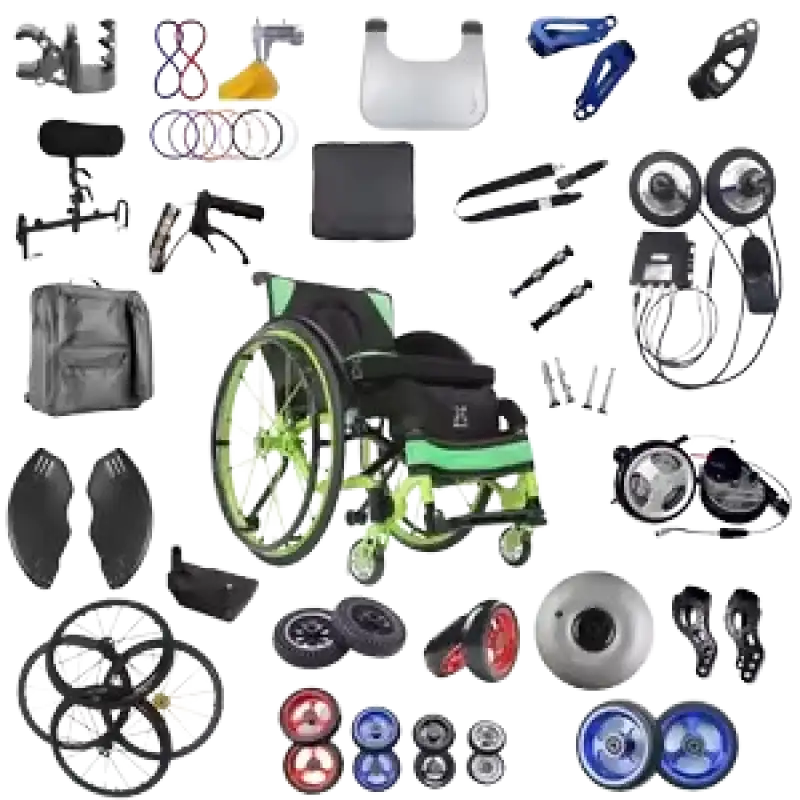
This comprehensive guide explains everything you need to
know about the proper disposal of condemned and scrapped medical equipment, why
it matters, and how healthcare facilities, caregivers, and suppliers can follow
safe, sustainable, and compliant practices.
What Is Condemned and Scrapped Medical Equipment?
Condemned medical equipment refers to devices that are
officially declared unsafe or unfit for medical use due to:
- Wear
and tear over time
- Failure
to meet updated safety or regulatory standards
- Malfunctioning
or irreparable damage
- Obsolescence
due to technological advancements
Scrapped medical equipment includes items that are removed
permanently from service and cannot be reused, refurbished, or resold without
violating safety norms.
Common examples include:
- Old
ventilators and oxygen concentrators
- Broken
hospital beds and wheelchairs
- Used
infusion pumps and monitors
- Expired
diagnostic devices
- Damaged
surgical instruments
- Electronic
medical equipment (e-waste)
Why Proper Disposal of Medical Equipment Is Critical
Improper disposal of medical equipment is not just careless it
can be dangerous. Here’s why correct disposal is essential:
1. Protecting Public Health
Medical equipment may be contaminated with blood, bodily
fluids, pathogens, or chemicals. If discarded irresponsibly, it can expose
waste handlers, sanitation workers, and the public to serious infections.
2. Environmental Safety
Many medical devices contain hazardous materials such as
mercury, lead, lithium batteries, plastics, and electronic components. When
dumped in landfills, these substances can seep into soil and groundwater,
causing long-term environmental damage.
3. Legal and Regulatory Compliance
In India, medical equipment disposal falls under Biomedical
Waste Management Rules and E-waste Management Rules. Failure to comply can
result in heavy penalties, license suspension, or legal action.
4. Preventing Illegal Reuse
Discarded equipment may be illegally refurbished and resold
in unregulated markets, putting patients at serious risk. Proper disposal
ensures unusable equipment never re-enters circulation.
5. Ethical Responsibility
Healthcare providers have a moral duty to ensure that medical waste including equipment is handled responsibly to protect society and future generations.
Categories of Medical Equipment Waste
Understanding how equipment is classified helps determine
the correct disposal method.
Biomedical Waste
Items contaminated with biological material, such as:
- Suction
devices
- Dialysis
equipment parts
- Used
surgical tools
Electronic Waste (E-waste)
Devices with electrical or electronic components, including:
- ECG
machines
- Patient
monitors
- Imaging
equipment
Hazardous Waste
Equipment containing toxic substances such as:
- Mercury
thermometers
- Lead-lined
devices
- Batteries
and power units
Non-Hazardous Scrap
Metal beds, trolleys, and furniture that are not
contaminated and can be recycled safely.
Step-by-Step Process for Proper Disposal of Condemned
Medical Equipment
Step 1: Identification and Condemnation
Equipment must be evaluated by a biomedical engineering or
technical committee. Once deemed unsafe or obsolete, it should be officially
documented and condemned.
Step 2: Decontamination
Before disposal, equipment exposed to biological material
must be disinfected or sterilized to eliminate infection risks.
Step 3: Segregation at Source
Separate equipment based on waste type biomedical, e-waste,
hazardous, or recyclable to avoid cross-contamination.
Step 4: Data Destruction
Devices like monitors and diagnostic machines may store
sensitive patient data. All digital data must be securely erased to maintain
patient confidentiality.
Step 5: Authorized Disposal or Recycling
Hand over equipment only to government-authorized biomedical
waste handlers or e-waste recyclers who follow certified disposal practices.
Step 6: Documentation and Records
Maintain disposal records, certificates, and audit trails
for regulatory inspections and accountability.
Role of Hospitals, Clinics, and Caregivers
Healthcare institutions play a central role in ensuring safe
disposal. Their responsibilities include:
- Training
staff on waste segregation
- Partnering
with certified disposal agencies
- Conducting
regular audits
- Ensuring
compliance with national and local regulations
Home caregivers and patients using medical equipment (such
as oxygen concentrators or wheelchairs) should also avoid dumping equipment and
instead seek guidance from authorized medical suppliers.
Sustainable and Eco-Friendly Disposal Practices
Sustainability is becoming increasingly important in
healthcare. Eco-conscious disposal methods include:
- Recycling
metals, plastics, and electronics
- Refurbishing
usable components where permitted
- Reducing
landfill waste
- Supporting
circular healthcare models
Responsible platforms like Aarogyaa Bharat promote ethical
sourcing, proper equipment lifecycle management, and awareness around safe
medical practices.
Common Mistakes to Avoid
- Disposing
medical equipment with regular household waste
- Selling
condemned equipment without authorization
- Ignoring
data security risks
- Lack
of documentation
- Using
unlicensed scrap dealers
Avoiding these mistakes protects patients, healthcare workers, and the environment.
Conclusion: Disposal Is a Responsibility, Not an
Afterthought
Proper disposal of condemned and scrapped medical equipment
is not merely about clearing space it is about protecting lives, preserving the
environment, and upholding the integrity of healthcare systems. By following
regulated disposal methods and partnering with responsible platforms like
Aarogyaa Bharat, healthcare providers and individuals can contribute to a
safer, cleaner, and more sustainable future.
Responsible healthcare doesn’t end with treatment it extends
to how we handle what we leave behind.