Understanding Balance Problems in Elderly Individuals
As people age, natural physiological changes such as reduced muscle strength, slower reflex response, decreased joint flexibility, and mild vestibular imbalance can significantly affect stability during walking and standing, making seniors more vulnerable to trips and falls even on familiar surfaces. Balance issues often appear gradually and may not initially require a full walker; instead, mild instability during turns, uneven flooring, stair navigation, or prolonged standing may indicate the need for light support. A walking stick acts as a stabilizing extension of the body by increasing the base of support and improving weight distribution across three contact points instead of two. This additional point of contact reduces sway, enhances spatial awareness, and supports safer posture mechanics. Furthermore, age-related conditions such as arthritis, mild neuropathy, early Parkinsonian symptoms, or post-surgical weakness can compromise gait symmetry, making walking sticks a valuable transitional mobility aid. By providing controlled support without restricting freedom of movement, walking sticks allow elderly individuals to maintain independence while minimizing fall risk.
How a Walking Stick Improves Stability and Posture
A properly sized walking stick redistributes a portion of body weight through the upper limbs, reducing stress on knees, hips, and ankles while improving upright posture alignment and gait symmetry. When held on the stronger side opposite the weaker leg, it supports coordinated movement and reduces uneven weight shifting that may cause imbalance. The slight elbow bend maintained during use allows shock absorption and better control during walking transitions such as stepping off curbs or climbing stairs. Walking sticks also enhance proprioceptive feedback, meaning the body receives clearer signals about ground contact and movement patterns, improving coordination and reducing missteps. Seniors who lean forward due to weakness or fear of falling often regain posture confidence with proper cane support. Over time, improved posture reduces strain on the lower back and shoulders. Additionally, anti-slip rubber tips increase traction, preventing slips on smooth indoor tiles or slightly wet surfaces. This combination of mechanical support and neuromuscular feedback significantly enhances walking confidence.
Types of Walking Sticks for Elderly Balance Support
| Type | Support Level | Best For | Stability |
|---|---|---|---|
| Single-Point Cane | Basic | Mild imbalance | Moderate |
| Quad Cane | High | Moderate instability | High |
| Offset Handle Cane | Moderate | Wrist comfort & posture | Good |
| Folding Cane | Basic | Travel convenience | Moderate |
| Ergonomic Handle Cane | Moderate | Long walking duration | Good |
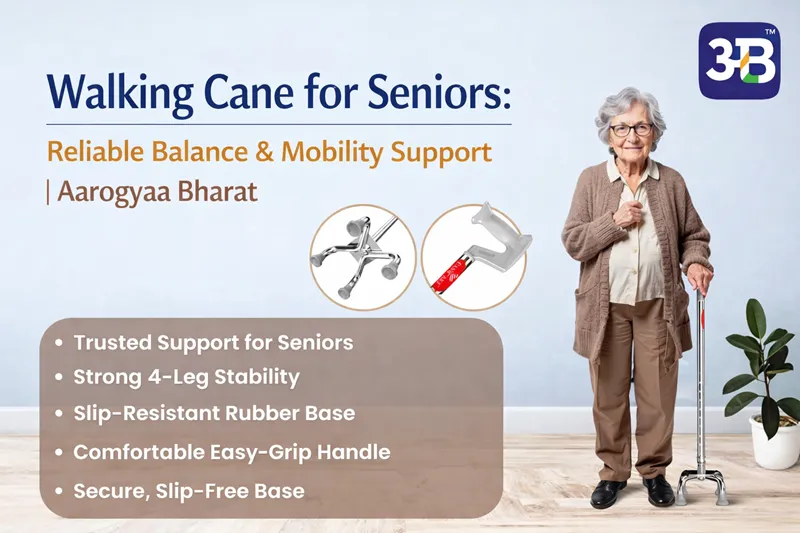
Different cane types provide varying levels of base support and comfort, and selecting the right design depends on the severity of imbalance, upper body strength, and walking environment.
Choosing the Correct Height and Fit
Selecting the correct cane height is critical because improper sizing can reduce effectiveness and increase fall risk, and the ideal measurement aligns the cane handle with the wrist crease when the user stands upright with arms relaxed at the sides. The elbow should maintain approximately 15 to 20 degrees of flexion during use to allow comfortable weight transfer and shock absorption. If the cane is too short, the user may lean forward excessively, increasing back strain and instability; if too tall, shoulder elevation and wrist discomfort may occur. Adjustable walking sticks are highly recommended because they accommodate slight height changes due to footwear or posture variations. Additionally, handle design influences comfort, and ergonomic or offset handles distribute palm pressure evenly, reducing fatigue during prolonged use. For seniors with arthritis, padded or contoured grips offer enhanced comfort. Ensuring proper fit significantly improves walking efficiency, reduces muscle strain, and enhances long-term usability.
Safety Features to Look For in a Walking Stick
| Feature | Benefit |
|---|---|
| Anti-Slip Rubber Tip | Prevents slipping on smooth floors |
| Quad Base Support | Enhances lateral stability |
| Height Adjustment | Custom fit for posture alignment |
| Ergonomic Handle | Reduces wrist strain |
| Lightweight Aluminum Frame | Easy handling and portability |
Modern walking sticks include several safety features that enhance reliability and comfort, and selecting a model with durable rubber ferrules ensures consistent ground grip while adjustable height settings accommodate posture changes over time.
When to Use a Walking Stick Instead of a Walker
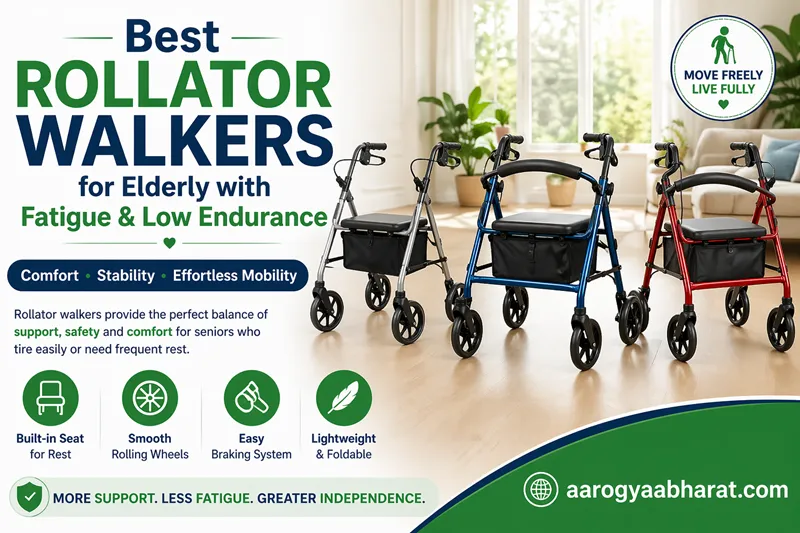
A walking stick is appropriate for seniors who experience mild balance concerns but retain sufficient lower limb strength and coordination, whereas walkers are more suitable for individuals requiring bilateral support or recovering from major surgery. If the senior can walk independently but feels slight instability during longer distances or outdoor surfaces, a walking stick provides sufficient reinforcement without restricting movement speed. It is also ideal for social outings, travel, or indoor home use where full-frame support may be unnecessary. However, if frequent stumbling, severe muscle weakness, or inability to maintain upright posture occurs, upgrading to a walker may be safer. Consulting a healthcare professional can help determine the correct level of support required.
Fall Prevention Benefits of Walking Sticks
Falls remain one of the leading causes of injury among elderly individuals, and introducing a walking stick at the early stage of balance decline can significantly reduce this risk by improving step coordination and weight control during directional changes. By increasing the base of support and enhancing stability during transitional movements such as standing up or turning, walking sticks reduce sudden loss of balance. Seniors often develop fear of falling after minor instability episodes, which may reduce activity levels and worsen muscle weakness; cane support restores confidence and encourages safe physical activity. Maintaining movement is essential for circulation, joint mobility, and muscle strength, all of which contribute to long-term fall prevention.
Long-Term Benefits for Independence and Confidence
Beyond physical support, walking sticks contribute to psychological confidence by allowing seniors to feel secure during daily activities such as grocery shopping, visiting parks, or navigating uneven pavements. This independence reduces caregiver reliance and promotes active aging. Proper use supports natural gait mechanics and may delay the need for more advanced mobility aids. Additionally, lightweight portability ensures easy storage and transport. When combined with regular physical therapy exercises and home safety measures, walking sticks form an integral part of comprehensive elderly mobility care.
Conclusion
A walking stick is a simple yet powerful mobility aid that enhances balance support, improves posture alignment, reduces joint stress, and significantly lowers fall risk for seniors experiencing mild instability. By selecting the correct type, height, and safety features, families can provide elderly individuals with dependable daily support that promotes independence and long-term mobility confidence. Aarogyaa Bharat offers carefully selected walking sticks designed to prioritize safety, durability, and ergonomic comfort for elderly users seeking secure and active living.