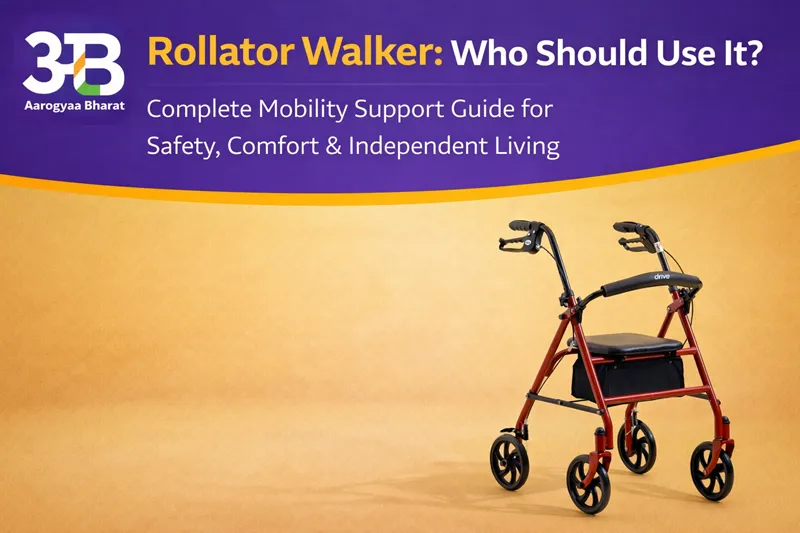
Understanding What a Rollator Walker Is and How It Works
A rollator walker is different from traditional walkers
because it features wheels on all legs, allowing smoother movement without
lifting the frame during walking. This design reduces physical effort and
encourages a more natural walking rhythm, making it suitable for seniors who
have moderate balance but do not require full weight-bearing support. Many
rollator walkers include hand brakes, ergonomic handles, and a comfortable
seat, giving users the ability to rest whenever needed during longer walks. Families
exploring mobility aids sections often compare rollator walkers alongside
standard walkers and foldable walkers to understand how each design fits
different health conditions and home environments. When integrated with
hospital equipment pages that include patient beds, commode chairs, and
transfer aids, rollator walkers become part of a comprehensive mobility support
system that enhances both safety and comfort.
Who Should Use a Rollator Walker
Rollator walkers are best suited for seniors who can walk
independently but require additional support for balance and endurance during
daily activities. Elderly individuals who experience fatigue while walking,
mild arthritis discomfort, or reduced stamina often benefit from the smooth
movement and built-in seating offered by rollators. Seniors recovering from
minor surgeries or managing chronic conditions such as osteoporosis may find
rollator walkers helpful because they encourage regular movement without
excessive strain on joints. Caregivers exploring rehabilitation categories
frequently choose rollator walkers for individuals transitioning from standard
walkers to more independent mobility solutions. By combining rollators with
physiotherapy equipment and elderly care solutions, families can create a
supportive environment that promotes gradual improvement in strength and
coordination.
Key Benefits of Using a Rollator Walker
Rollator walkers provide several advantages that make them a
preferred choice for active seniors. The wheeled design allows effortless
movement across smooth surfaces, reducing the need to lift the walker
repeatedly, which minimizes arm fatigue. Hand brakes provide control and
safety, especially on slopes or uneven surfaces, while the integrated seat
allows seniors to take breaks whenever necessary. Many rollators also include
storage baskets that make carrying personal items easier during outings. Families
often explore mobility aid categories and hospital equipment pages to pair
rollator walkers with additional support tools such as anti-slip mats, bedside
rails, and physiotherapy accessories, creating a safe and convenient mobility
solution that fits into daily routines.
Health Conditions That May Require a Rollator Walker
Certain health conditions make rollator walkers particularly
beneficial because they offer stability without restricting movement. Seniors
with mild balance issues, arthritis, early Parkinson’s symptoms, or reduced
stamina often find rollators more comfortable than standard walkers.
Individuals who experience shortness of breath or fatigue during walking
benefit from the built-in seat that allows immediate rest. Caregivers exploring
rehabilitation categories frequently use rollator walkers as part of recovery
plans that include exercise routines and physiotherapy equipment. Matching the
mobility aid to specific health conditions ensures that seniors receive the
right level of support while maintaining independence.
Rollator Walker Features and Ideal Usage Comparison
|
Feature |
Rollator
Walker Advantage |
Ideal User
Scenario |
|
Four Wheels |
Smooth
forward movement |
Moderate
mobility support |
|
Hand Brakes |
Increased
safety control |
Outdoor
walking |
|
Built-in Seat |
Rest during
long walks |
Seniors with
fatigue |
|
Storage
Basket |
Easy carrying
of essentials |
Daily errands |
|
Adjustable
Height |
Proper
posture alignment |
Long-term
comfort |
Rollator Walker vs Standard Walker: Understanding the
Difference
While both rollator walkers and standard walkers provide
mobility support, their functionality differs significantly. Standard walkers
offer stronger stability because they do not have wheels, making them suitable
for seniors who require maximum support during early rehabilitation. Rollator
walkers, on the other hand, prioritize mobility and comfort, allowing users to
walk more freely without lifting the frame. Families comparing mobility aids
sections often consider factors such as balance strength, home environment, and
medical advice before choosing between these options. Integrating rollator
walkers into elderly care solutions allows seniors to maintain independence
while still benefiting from safety features such as brakes and ergonomic
handles.
Indoor and Outdoor Uses of Rollator Walkers
Rollator walkers are highly versatile and can be used both
indoors and outdoors depending on the design and wheel size. Indoors, they
allow smooth navigation across hallways and living spaces, while outdoors they
provide stability during longer walks in parks or markets. Seniors who enjoy
social outings often prefer rollator walkers because they combine mobility
support with convenience features such as seating and storage. Families
exploring hospital equipment pages frequently pair rollator walkers with additional
safety accessories like anti-slip flooring supports and grab bars to ensure
consistent safety across different environments.
How Rollator Walkers Support Rehabilitation and Recovery
Rollator walkers play a significant role during
rehabilitation because they encourage movement without excessive strain.
Physiotherapists often recommend rollators for seniors who have progressed
beyond standard walkers but still need balance support. Using a rollator
alongside rehabilitation categories such as exercise pedals and physiotherapy
equipment helps create structured recovery plans that promote gradual
improvement. Consistent movement supported by rollators enhances muscle
strength, improves coordination, and boosts confidence, allowing seniors to
transition toward more independent mobility over time.
Safety Tips for Using a Rollator Walker
Proper usage of a rollator walker ensures maximum safety and
comfort. The walker height should be adjusted so that handles align with wrist
level, allowing elbows to bend slightly and maintain natural posture. Seniors
should always engage brakes when sitting or standing to prevent unwanted
movement. Walking at a steady pace and avoiding sudden turns helps maintain
balance, especially on uneven surfaces. Caregivers often enhance safety by
combining rollator walkers with elderly care accessories such as bedside rails,
anti-slip mats, and mobility support tools available within hospital equipment
sections, creating a secure environment that minimizes fall risks.
Cost and Practical Considerations
Rollator walkers may cost more than standard walkers due to
additional features such as wheels, brakes, and seats, but they often provide
greater convenience and long-term usability for active seniors. Families
frequently use healthcare calculators and elderly care planning tools to
evaluate costs when mobility aids are part of a broader home healthcare setup
that includes beds, physiotherapy equipment, and rehabilitation accessories.
Choosing a durable rollator with adjustable features ensures long-term value
while maintaining safety and comfort during daily use.
Important Feature Checklist Before Final Selection
|
Feature |
Why It
Matters |
What to
Check |
|
Adjustable
Height |
Maintains
proper posture |
Wrist-level
alignment |
|
Strong Frame |
Ensures
durability |
Aluminium or
steel build |
|
Brake System |
Safety during
movement |
Smooth
locking mechanism |
|
Comfortable
Seat |
Rest during
long walks |
Padded
ergonomic design |
|
Wheel Quality |
Smooth
outdoor mobility |
Durable
anti-slip wheels |
Emotional Benefits and Independence for Seniors
Beyond physical support, rollator walkers provide emotional
confidence by allowing seniors to remain active and socially engaged. The
ability to move independently without constant assistance improves mental
well-being and reduces anxiety related to falls. Many elderly individuals feel
empowered when they can perform daily tasks independently, and rollator walkers
help maintain that sense of autonomy. Combining rollators with rehabilitation
categories and supportive elderly care solutions creates a positive environment
that promotes both physical recovery and emotional well-being.
Conclusion
A rollator walker is an excellent mobility solution for
seniors who require balance support while maintaining an active lifestyle. With
features such as wheels, brakes, and seating, rollators offer comfort and
convenience without compromising safety. By exploring mobility aid sections,
hospital equipment pages, rehabilitation categories, elderly care solutions,
and healthcare planning tools, families can build a comprehensive mobility
setup that enhances independence, reduces fall risks, and improves overall
quality of life for elderly loved ones.
A rollator walker offers enhanced stability, comfort, and confidence helping seniors and patients maintain safe, independent mobility at home and outdoors with trusted support from Aarogyaa Bharat.