Introduction
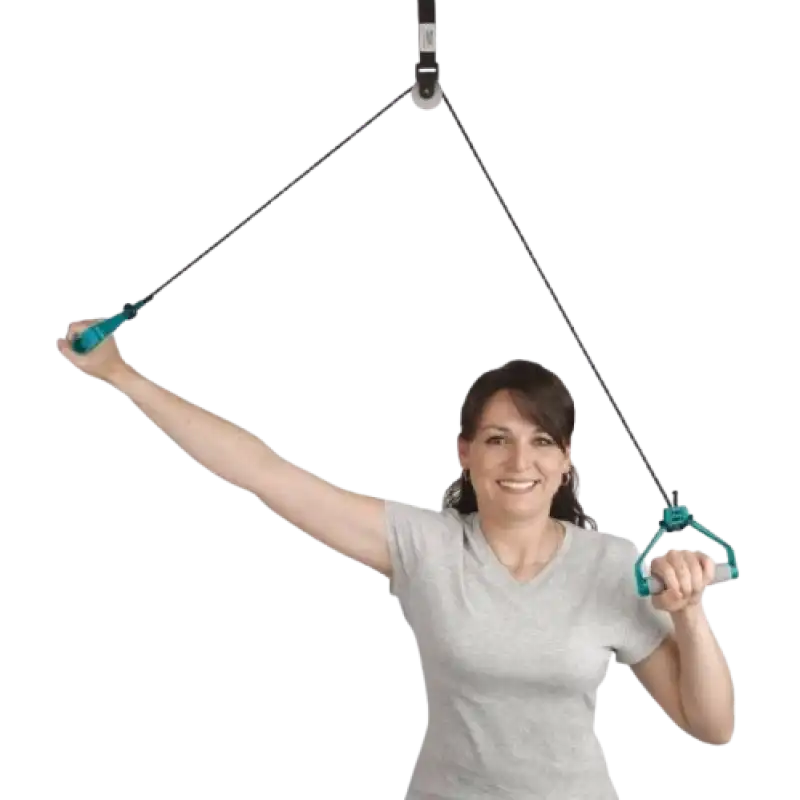
Shoulder pulleys are simple yet effective tools used in physical therapy and rehabilitation to improve shoulder mobility and strength. These devices consist of a rope or cord that runs through a pulley attached to a door or wall, allowing users to perform a variety of exercises that target the shoulder joint and surrounding muscles. Whether you're recovering from an injury, managing chronic shoulder pain, or simply looking to improve your shoulder flexibility, a shoulder pulley can be an invaluable addition to your exercise routine. In this comprehensive guide, we'll explore the benefits of shoulder pulley exercises, how to use them effectively, and some of the best exercises to incorporate into your workout regimen.
Benefits of Using a Shoulder Pulley
- Improved Range of Motion: Regular use of a shoulder pulley can help increase your shoulder's range of motion, making everyday activities easier and more comfortable.
- Pain Relief: For those suffering from shoulder pain, gentle exercises with a pulley can help alleviate discomfort and promote healing.
- Strength Building: As you progress, shoulder pulley exercises can help strengthen the muscles surrounding the shoulder joint, leading to better stability and function.
- Flexibility Enhancement: Consistent use of a shoulder pulley can improve overall shoulder flexibility, reducing the risk of future injuries.
- Cost-Effective Rehabilitation: Compared to expensive gym equipment or multiple physiotherapy sessions, a shoulder pulley is an affordable option for at-home rehabilitation.
How to Use a Shoulder Pulley
Using a shoulder pulley is relatively straightforward, but proper technique is crucial for maximizing benefits and avoiding injury. Here's a step-by-step guide:
- Setup: Securely attach the pulley to a sturdy door or wall at about shoulder height.
- Position: Stand or sit facing the pulley, maintaining good posture with your back straight.
- Grip: Hold the end of the rope with the hand of the arm you want to exercise.
- Movement: Gently pull down on the rope with your non-exercising arm, which will raise your exercising arm. Move slowly and controlled, stopping if you feel pain.
- Range: Only go as far as comfortable. Over time, you may be able to increase your range of motion.
- Repetitions: Start with 10-15 repetitions and gradually increase as you build strength and flexibility.
Remember, it's always best to consult with a healthcare professional or physiotherapist before starting any new exercise regimen, especially if you're recovering from an injury.
Top 5 Shoulder Pulley Exercises
- Shoulder Flexion: Stand facing away from the pulley. Raise your arm forward and up, then slowly lower it back down.
- Shoulder Abduction: Stand with the pulley at your side. Raise your arm out to the side and up, then lower it back down.
- Internal Rotation: Stand with the pulley behind you. Keep your elbow at a 90-degree angle and rotate your forearm towards your body.
- External Rotation: Similar to internal rotation, but rotate your forearm away from your body.
- Shoulder Extension: Face the pulley and pull your arm back, keeping it straight.
For each exercise, perform 2-3 sets of 10-15 repetitions, or as advised by your healthcare provider.
Shoulder Pulley in Physiotherapy
Shoulder pulleys are a staple in physiotherapy practices worldwide. They're particularly useful for:
- Post-surgery Rehabilitation: After procedures like rotator cuff repair or shoulder replacement, pulleys help patients regain mobility gradually and safely.
- Frozen Shoulder Treatment: For patients with adhesive capsulitis (frozen shoulder), pulley exercises can help break down adhesions and improve range of motion.
- Sports Injury Recovery: Athletes recovering from shoulder injuries often use pulleys as part of their rehabilitation program.
- Chronic Pain Management: For those with ongoing shoulder issues, pulley exercises can provide relief and improve function over time.
Physiotherapists often prescribe specific pulley exercises tailored to each patient's needs, gradually increasing intensity as the patient progresses.
Choosing the Right Shoulder Pulley
When selecting a shoulder pulley for home use, consider the following factors:
- Quality: Look for durable materials that can withstand regular use.
- Adjustability: A pulley system with adjustable height and resistance can grow with your progress.
- Comfort: Ensure the handles are comfortable to grip, especially if you'll be using them for extended periods.
- Portability: If you travel frequently, consider a lightweight, compact option.
- Price: While shoulder pulley prices can vary, remember that investing in a quality product can save money in the long run.
Some reputable brands to consider include:
- TheraBand Shoulder Pulley
- OPTP Shoulder Pulley
- Rolyan Overdoor Shoulder Pulley
Frequently Asked Questions
Q: How often should I use a shoulder pulley?
A: It's best to follow your healthcare provider's recommendations. Generally, daily use is beneficial, but listen to your body and avoid overexertion.
Q: Can I use a shoulder pulley if I have a rotator cuff injury?
A: While shoulder pulleys can be helpful for rotator cuff rehabilitation, always consult with your doctor or physiotherapist before starting any exercises.
Q: How long does it take to see results from shoulder pulley exercises?
A: Results vary depending on individual factors and consistency. Some people may notice improvements in a few weeks, while others might take several months.
Q: Are shoulder pulleys suitable for all ages?
A: Yes, shoulder pulleys can be used by people of all ages. However, the specific exercises and intensity should be tailored to the individual's needs and capabilities.
Q: Can I make a DIY shoulder pulley?
A: While it's possible to create a simple pulley system at home, it's generally safer and more effective to use a professionally designed product.
Conclusion
Shoulder pulleys are versatile, effective tools for improving shoulder mobility, strength, and overall function. Whether you're recovering from an injury, managing chronic pain, or simply looking to enhance your shoulder health, incorporating pulley exercises into your routine can yield significant benefits. Remember to start slowly, maintain proper form, and listen to your body as you progress. With consistent use and patience, you'll likely find that your shoulder pulley becomes an indispensable part of your fitness and wellness toolkit.
Have you used a shoulder pulley before? What was your experience? Share your thoughts and questions in the comments below, and don't forget to consult with a healthcare professional before starting any new exercise program.