1. A Glimpse Back: What Is Coronavirus (COVID‑19)?
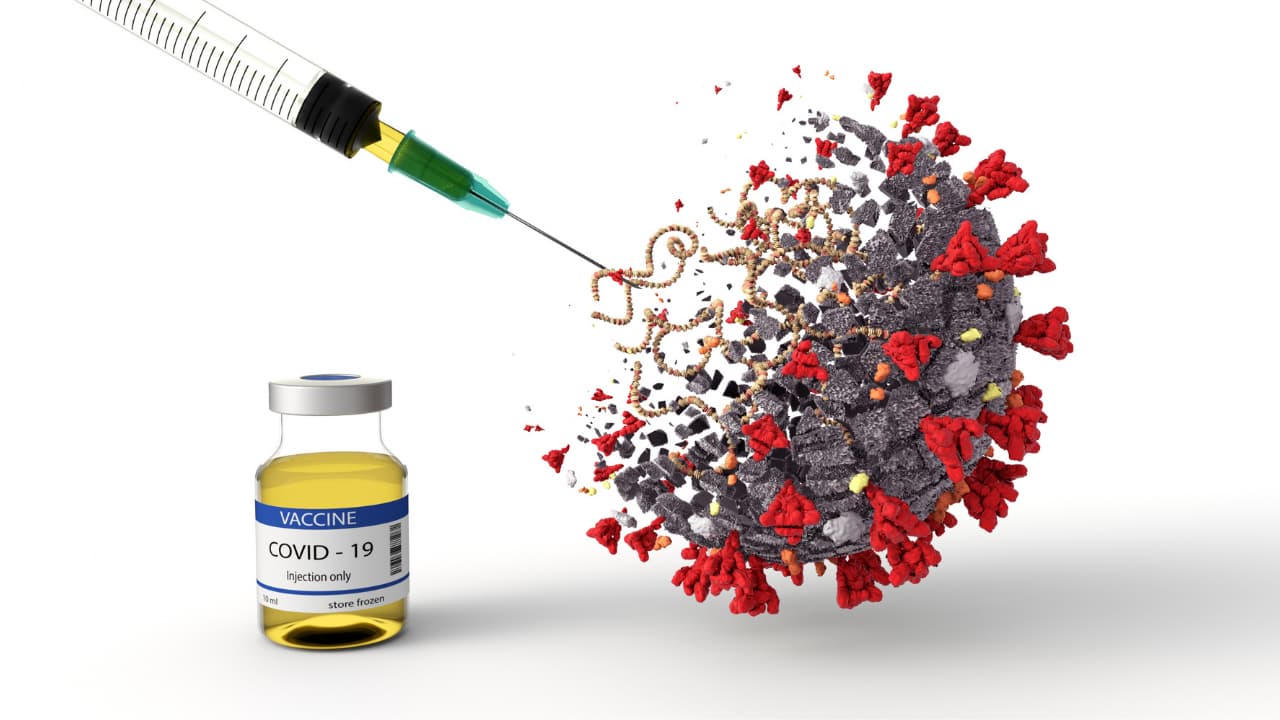
Before "coronavirus" became a global concern, it was just a category of viruses. But COVID‑19, caused by the novel SARS‑CoV‑2, was the one that shook the world. In 2020, when the COVID‑19 pandemic hit, nearly every corner of the globe was touched.
This new virus, different from what we'd seen, ruled headlines and reshaped daily life. And while variants still emerge, we're far from the panic of 2020.
2. Why “19” in COVID‑19?
It’s simple—COVID stands for “Coronavirus Disease,” and 19 marks the year it was first identified: December 2019. So “COVID‑19” is literally “coronavirus from 2019.”
3. Waves, Case Counts & Myth of 19 Cases
You'll often hear terms like "COVID case" or references to the number 19. But in reality, each coronavirus case could mean mild symptoms or severe illness—all part of understanding the pandemic.
High surge dates like COVID updates and tools like Worldometer COVID helped people track real-time case data during the peak of waves.
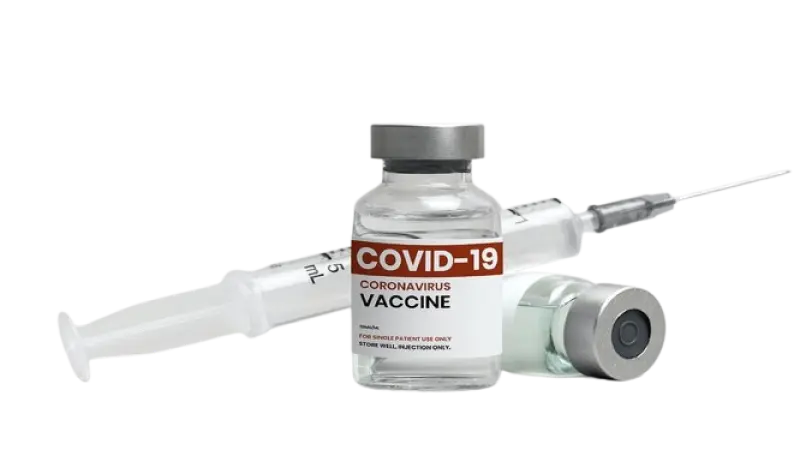
4. Vaccines: Covaxin, Covishield, Covaccine
India’s vaccine drive rolled out two headline heroes:
Covishield – Developed with Oxford–AstraZeneca, this viral-vector vaccine has been administered nationwide.
Covaxin – Made in India by Bharat Biotech, using inactivated virus technology.
Both vaccines have played a major role in India's defense against COVID‑19, reducing serious illness, hospitalizations, and deaths—especially important for the immunocompromised or older adults.
5. Doses, Boosters & CoWIN.gov.in
Remember the days of lining up at vaccination centers for your first dose? Now, it’s a routine via CoWIN.gov.in, where you can:
Book vaccine appointments
Check COVID case stats in your area
Download e-certificates post‑vaccination
Thanks to this system, administering multiple doses and boosters became smoother nationwide—crucial as new variants emerged.
6. When Things Go South: Cytokine Storm & Severe Illness
In rare but serious cases, people experience a cytokine storm, where the immune system goes into overdrive and harms the body. This complication isn't limited to older adults—it can affect anyone, especially if they’re immunocompromised.
That’s why early detection, medical care, and vaccination remain critical weapons against severe COVID‑19.
7. What’s Next? Living With Coronavirus
The pandemic has significantly changed how we think about health and preparedness. Today:
Many people stay home during outbreaks
Masking in crowded areas is routine
Keeping track of COVID updates remains a habit
While it may never vanish entirely, coronavirus is becoming a manageable part of life—much like the flu.
FAQs:
Q: Are COVID‑19 vaccines still necessary?
Yes—boosters enhance immunity, protect against variants, and are vital for high-risk individuals.
Q: Where do I check daily case numbers?
Use trusted sources like "coronavirus Worldometer" or your local health department’s COVID updates dashboard.
Q: Can Covaxin and Covishield be mixed?
Current guidelines generally advise sticking to one vaccine type, but talk to your doctor for specific health advice.
Q: How do I reduce cytokine storm risk?
Vaccination helps. Plus, monitor symptoms closely and get medical help early for severe cases like low oxygen levels.
Conclusion: COVID‑19 Knowledge Is Power
We’ve come a long way from that first COVID‑19 diagnosis in 2019. Thanks to vaccination programs—including Covaxin and Covishield—and platforms like CoWIN.gov.in, India keeps moving forward.
Keeping up with COVID updates, monitoring symptoms, and staying informed helps all of us navigate whatever the new variants bring. Because at the end of the day, awareness and action are our lasting shields against the coronavirus and beyond.