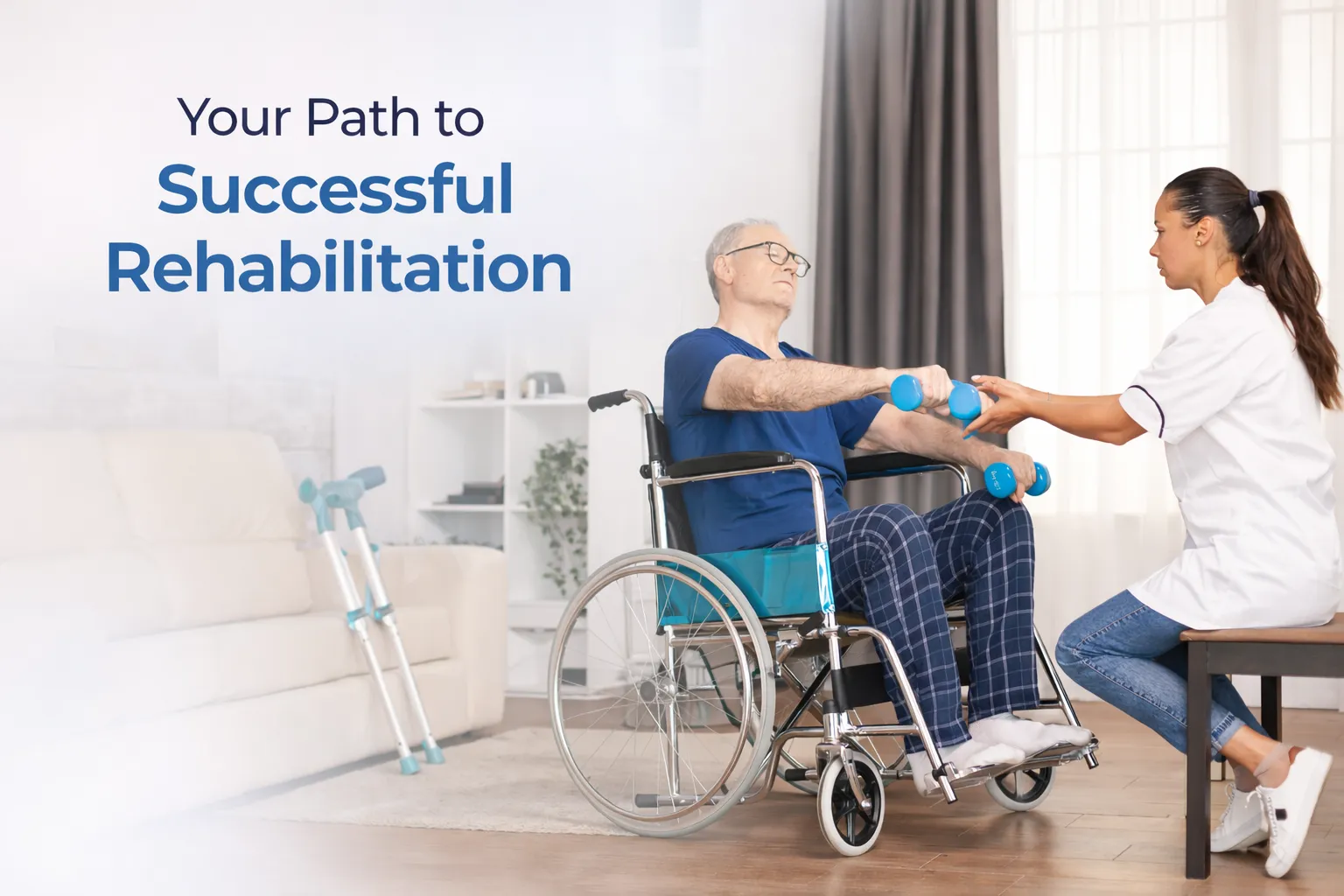
At Aarogyaa Bharat, we believe rehabilitation is about hope,
resilience, and the courage to start again. This comprehensive guide will help
you understand rehabilitation, its types, benefits, and why it plays such a
crucial role in modern healthcare.
What Is Rehabilitation?
Rehabilitation is a structured healthcare process designed
to help individuals regain skills and abilities that may have been lost due to:
- Injury
or trauma
- Stroke
or neurological conditions
- Chronic
illness
- Surgery
- Age-related
decline
- Congenital
or acquired disabilities
The ultimate goal of rehabilitation is to maximize
independence and improve quality of life.
Why Rehabilitation Matters
When the body or mind is affected by illness or injury, the
impact goes beyond physical limitations. It can influence confidence, emotional
well-being, social interactions, and even livelihood.
Rehabilitation helps individuals:
- Regain
mobility and strength
- Improve
daily functioning
- Restore
communication and cognitive skills
- Reduce
pain and discomfort
- Adapt
to new physical realities
- Reintegrate
into society and work
In essence, rehabilitation helps people move forward with
dignity.
Types of Rehabilitation
1. Physical Rehabilitation
Focused on improving strength, mobility, balance, and
coordination.
Commonly used for:
- Orthopaedic
injuries
- Post-surgical
recovery
- Stroke
recovery
- Sports
injuries
2. Occupational Rehabilitation
Helps individuals relearn daily activities such as dressing,
eating, writing, or working.
Focus areas include:
- Fine
motor skills
- Hand-eye
coordination
- Adaptive
techniques for daily living
3. Speech and Language Rehabilitation
Supports individuals facing communication or swallowing
difficulties.
Often required after:
- Stroke
- Brain
injury
- Neurological
disorders
4. Cognitive Rehabilitation
Aims to restore thinking, memory, attention, and
problem-solving abilities.
Beneficial for:
- Brain
injuries
- Dementia
- Developmental
disorders
5. Cardiac and Pulmonary Rehabilitation
Designed for patients recovering from heart or lung
conditions.
Benefits include:
- Improved
endurance
- Better
breathing control
- Reduced
risk of future complications
The Rehabilitation Team
Rehabilitation is a collaborative effort involving:
- Physiotherapists
- Occupational
therapists
- Speech
therapists
- Rehabilitation
physicians
- Psychologists
and counselors
- Caregivers
and family members
Each plays a vital role in supporting recovery.
Rehabilitation in Home Healthcare
With advancements in medical technology, rehabilitation is
no longer limited to hospitals. Home-based rehabilitation allows patients to
recover in familiar surroundings while maintaining comfort and emotional
well-being.
Quality rehabilitation equipment and assistive devices available
through trusted providers like Aarogyaa Bharat - make home recovery safer and
more effective.
Emotional and Psychological Impact of Rehabilitation
Recovery is not always linear. Setbacks can feel
discouraging, and emotional support is just as important as physical therapy.
Rehabilitation fosters:
- Confidence
and motivation
- Emotional
resilience
- A
sense of purpose
- Improved
mental health
The journey is as much about the mind as it is about the
body.
Challenges Faced During Rehabilitation
Some common challenges include:
- Slow
progress
- Physical
discomfort
- Emotional
fatigue
- Financial
concerns
- Lack
of awareness or support
With proper guidance, patience, and encouragement, these
challenges can be overcome.
The Role of Assistive Devices in Rehabilitation
Assistive devices such as walkers, wheelchairs, braces, and
therapy equipment play a crucial role in supporting recovery.
They help individuals:
- Move
safely
- Perform
daily activities
- Reduce
dependency
- Build
confidence
Choosing quality equipment ensures safety and long-term
benefits.
Frequently Asked Questions (FAQs)
Q1. How long does rehabilitation take?
The duration varies depending on the condition, severity,
and individual response to therapy.
Q2. Is rehabilitation painful?
Some discomfort may occur, but therapy is designed to be
safe and gradual.
Q3. Can rehabilitation be done at home?
Yes. Many rehabilitation programs are successfully carried
out at home with professional guidance.
Q4. Who needs rehabilitation?
Anyone experiencing loss of function due to illness, injury,
or disability can benefit from rehabilitation.
Conclusion
Rehabilitation is not just about recovery - it is about
rediscovering life after adversity. It empowers individuals to reclaim
independence, confidence, and hope.
With the right care, guidance, and tools, rehabilitation
becomes a bridge between limitation and possibility.
At Aarogyaa Bharat, we stand by the belief that everyone
deserves the chance to live life fully because giving someone their life back
is the greatest form of care.