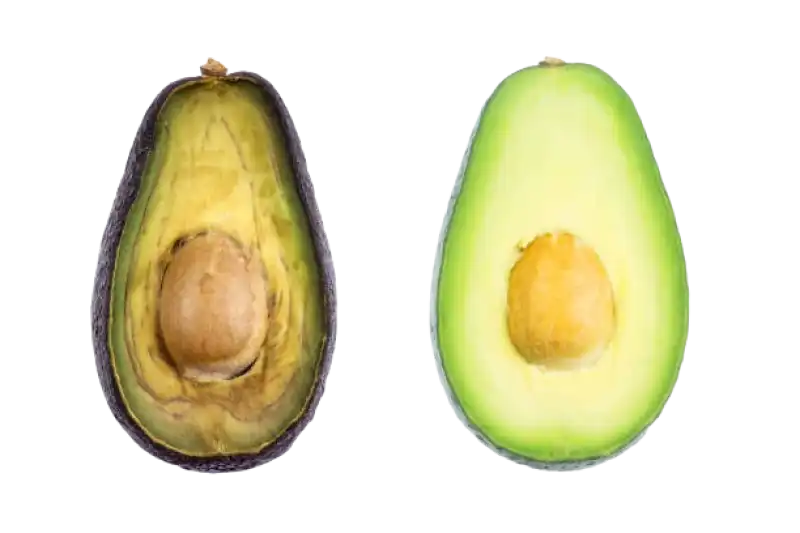
First, What Counts as ‘Stale’?
Stale food isn’t just about soggy fries or hard chapatis. It refers to any food that’s past its freshness—when nutrients start breaking down and bacteria start building up. Even refrigerated food can go stale if it's stored too long. Heat it all you want—some microbes don’t mind.
So, How Does It Affect Your Body?
- 🦠 Your Gut Takes the First Hit
- Stomach cramps
- Diarrhea or constipation
- Bloating and gas
- ⚖️ Imbalance in Gut Bacteria Your body depends on a healthy balance of gut flora to digest food and absorb nutrients. Eating stale or low-nutrient food can disrupt this balance, leading to:
- Weaker immunity
- Low energy
- Skin breakouts
- Brain fog
- 🥱 It Slows You Down Fresh food is full of enzymes and vitamins that give your body energy. But stale meals lose their nutrient power over time. You may feel:
- Lethargic
- Unmotivated
- More dependent on caffeine
- 4. Increased Risk of Inflammation Stale, processed, or reheated oily foods can create oxidative stress in your body. That leads to:
- Joint pain
- Mood swings
- Weakened muscle recovery
But I Can’t Waste Food! What’s the Solution?
Totally fair. None of us want to throw away perfectly edible food. But here’s how you can balance:
- Store food properly in airtight containers.
- Consume within 24–48 hours when possible.
- Avoid reheating multiple times—once is enough.
- Know when to toss—trust your gut (and nose), not just your wallet.
- And when you really want to preserve leftovers? Freeze them. That’s way better than keeping them in the fridge for days.
Quick Personal Take
There was a week I kept eating old dal thinking I was saving money—until I got hit with a nasty stomach bug that knocked me out for four days. Not worth the ₹60 I saved. Lesson learned: food is only nutritious when it’s fresh.
In a Nutshell
Stale food doesn’t just taste bland—it robs you of energy, disturbs your gut, and over time, affects your overall health. We often overlook it because we assume if it's not moldy, it's fine. But your body knows. And it reacts—sometimes quietly, sometimes not.
💡 Pro Tip for Health Monitoring
If you often feel bloated or sluggish, try tracking your food habits. A simple digital glucometer from aarogyaabharat.com can help you see how your body reacts—even to something like reheated rice or leftover fried snacks. Taking small steps can make a big difference.