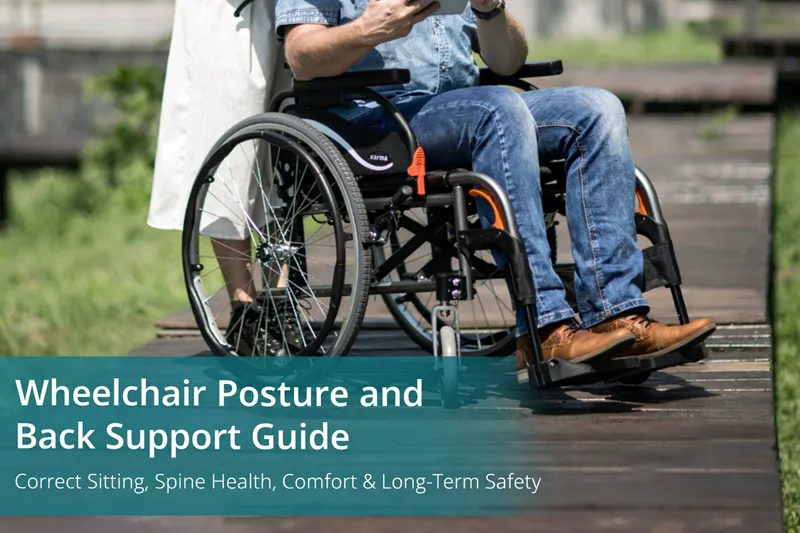
In Indian home-care settings,
wheelchair users frequently spend 4 to 10 hours a day seated, often on basic
hospital wheelchairs not designed for long-term comfort. Over time, incorrect
posture and inadequate back support can quietly cause chronic pain, breathing
difficulty, pressure sores, digestive problems, and long-term spinal damage.
At Aarogyaa Bharat Live
Healthy, Live Better, we regularly observe that discomfort is rarely caused by
the wheelchair alone. In most cases, the real problem lies in poor posture,
incorrect alignment, or missing back and seat support. This in-depth guide
explains everything families, caregivers, and users need to know about wheelchair
posture, back support, and long-term sitting safety, with a special focus on
Indian home-care realities.
Why Wheelchair Posture
Matters More Than You Think
The human body is not
designed to remain seated for long periods especially in a fixed position. When
posture is incorrect and repeated daily, the impact compounds silently.
Health Problems Caused by
Poor Wheelchair Posture
Incorrect posture over weeks
or months can lead to:
- Persistent lower back pain and stiffness
- Neck strain and shoulder tension
- Slouching and permanent spinal misalignment
- Uneven pressure on hips, tailbone, and shoulder
blades
- Development of pressure sores (bedsores)
- Reduced lung expansion causing shallow breathing
- Digestive discomfort, bloating, and constipation
- Early fatigue and reduced sitting tolerance
- Decreased confidence and social withdrawal
Many of these issues appear
gradually, making them easy to dismiss until they significantly reduce quality
of life.
Benefits of Correct
Wheelchair Posture
When posture is corrected and
properly supported, the body functions more efficiently.
Good posture helps to:
- Maintain natural spinal curves
- Reduce muscle strain and joint stress
- Improve circulation and oxygen intake
- Enhance digestion and bowel movement
- Prevent pressure injuries
- Increase comfort during long sitting hours
- Improve alertness, mood, and self-esteem
Correct posture allows
wheelchair users to sit longer with less pain and more confidence, which
directly improves daily living.
What Is Correct Wheelchair
Posture?
Correct wheelchair posture is
not about sitting rigidly upright. It is about balanced alignment with full
body support.
Ideal Wheelchair Sitting
Position
- Head upright and centred over the shoulders
- Neck relaxed, not pushed forward
- Shoulders level and relaxed
- Spine supported from lower back to upper back
- Pelvis positioned fully back in the seat
- Hips level, not tilted forward or sideways
- Knees bent comfortably (approximately 90–100
degrees)
- Feet resting flat and securely on footrests
Even minor deviations such as
sliding forward slightly or leaning to one side can cause compounding stress
over time.
Common Wheelchair Posture
Mistakes (Seen Daily)
Many users develop poor
posture habits unknowingly due to lack of guidance.
Most Frequent Mistakes
- Slouching forward due to weak back support
- Leaning to one side because of uneven strength
- Sitting too upright for long hours without angle
variation
- Using flat, thin, or worn-out backrests
- Feet dangling or footrests set incorrectly
- Sliding forward due to poor seat cushioning
These mistakes place continuous
strain on the spine and muscles, accelerating pain and fatigue.
Why Back Support Is the
Foundation of Safe Sitting
Back support is not a comfort
accessory it is the structural foundation of posture.
How Proper Back Support
Helps
- Maintains the natural curve of the lower spine
- Prevents spinal collapse during long sitting
- Reduces muscle fatigue and overuse
- Improves sitting endurance
- Minimizes pain and pressure build-up
For elderly users,
post-surgery patients, and long-term wheelchair users, proper back support is a
medical necessity.
Types of Back Support for
Wheelchair Users (Detailed)
1. Standard Padded
Backrest
- Found in basic hospital wheelchairs
- Provides minimal comfort
- Suitable only for short sitting durations
- Offers little posture correction
Limitations: Not recommended for daily home use.
2. Lumbar Support Cushions
- Supports the natural inward curve of the lower
spine
- Reduces lower back pain
- Improves sitting comfort and stability
Best for: Long sitting hours, elderly users, home care.
3. High-Back Wheelchairs
- Extends support to upper back and shoulders
- Prevents slouching and neck strain
- Reduces fatigue
Best for: Weak users, neurological conditions, elderly
patients.
4. Reclining Back Support
- Allows backrest angle changes
- Reduces constant spinal pressure
- Enables rest without transferring to bed
Best for: Post-surgery recovery, bedridden users, long-term
care.
Why Seat Cushioning Is
Equally Important
Back support alone cannot fix
posture if the pelvis is unstable.
Role of Seat Cushions
A quality pressure-relief
seat cushion:
- Keeps the pelvis aligned
- Prevents sliding forward
- Distributes weight evenly
- Reduces pressure on hips and tailbone
- Enhances back support effectiveness
Seat + back support together
create a complete sitting system, not just a wheelchair.
Caregiver Tips: Adjusting
a Wheelchair for Better Posture
Small, consistent adjustments
can prevent long-term damage.
Daily Posture Optimization
Tips
- Slightly recline the backrest (not fully upright)
- Ensure hips are fully back against the backrest
- Add lumbar support if the back feels flat
- Adjust footrest height so feet rest flat
- Check posture every 30–60 minutes
- Encourage brief posture changes or rests
Caregiver awareness plays a crucial
role in posture safety.
Indian Home-Care Realities
That Affect Posture
Wheelchair posture challenges
are often intensified in Indian homes due to:
- Long sitting hours because of limited indoor
mobility
- Hard flooring increasing vibration and discomfort
- Narrow spaces limiting movement and adjustment
- Use of basic hospital wheelchairs at home
- Lack of posture education
Choosing home-care-friendly
wheelchairs with proper back and seat support significantly reduces these
issues.
Long-Term Risks of
Ignoring Wheelchair Posture
Ignoring posture does not
just cause discomfort it leads to preventable medical complications.
Possible Long-Term
Consequences
- Chronic back and neck pain
- Permanent spinal deformities
- Recurrent pressure sores
- Reduced lung capacity
- Digestive and bowel problems
- Increased dependence on caregivers
- Reduced independence and quality of life
For users sitting multiple
hours daily, posture becomes a long-term health determinant.
Expanded Conclusion:
Posture Is Healthcare, Not an Option
Wheelchair posture and back
support are not optional comfort features they are essential elements of
long-term health, dignity, and independence.
Poor posture may seem
harmless initially, but over time it can lead to chronic pain, pressure sores,
breathing difficulties, fatigue, and loss of confidence. These issues not only
affect the user but also increase caregiver burden and medical costs.
Correct posture supported by appropriate
back support, seat cushioning, and proper adjustments protects the spine,
enhances comfort, improves breathing, and allows wheelchair users to engage
more confidently in daily life.
At Aarogyaa Bharat Live Healthy, Live Better, we believe that every wheelchair user deserves safe sitting, proper support, and dignified comfort, not just mobility. When posture is right, the wheelchair becomes a tool for living not just surviving.