Introduction:
We often see waste management as a civic duty — something that municipalities or cleaning workers handle. But what if we told you that proper waste disposal is directly tied to your health and well-being?
Let’s dig deeper into why waste management is not just about cleanliness, but about health safety too.
What Is Waste Management, Really?
Waste management isn’t just about throwing trash into a bin and forgetting it. It involves:
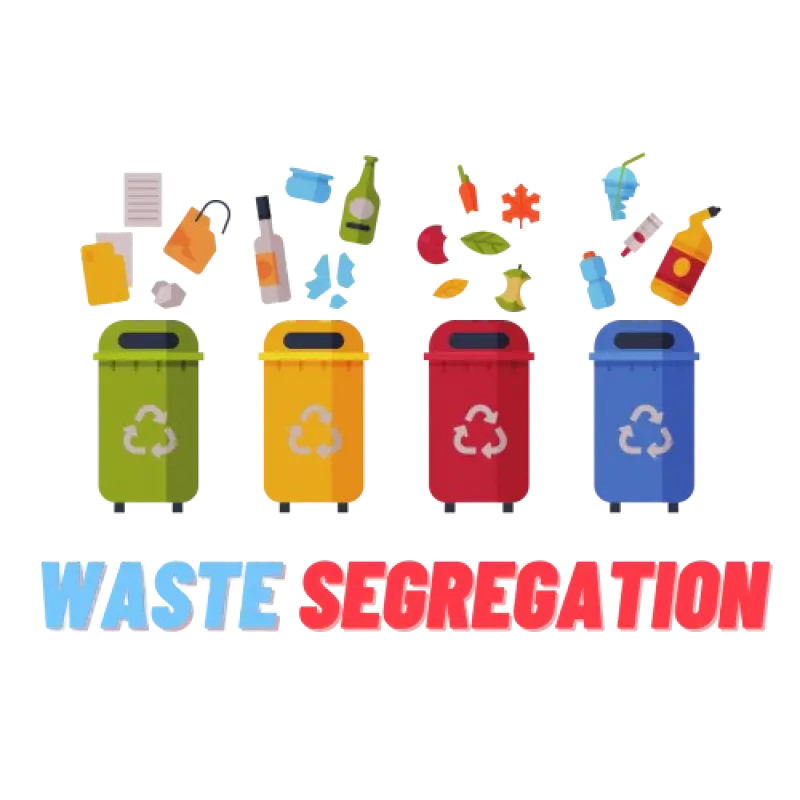
Segregation of waste (wet, dry, e-waste, biomedical, etc.)
Recycling and composting
Safe disposal and treatment
Reducing waste generation at the source
It’s a complete system meant to minimize the harmful effects of waste on the environment and human health.
The Hidden Health Risks of Poor Waste Management
When waste isn't managed properly, it doesn't just disappear — it multiplies the risk of serious health problems. Here’s how:
1. Breeding Ground for Diseases
Piles of organic waste attract flies, mosquitoes, and rodents. These are carriers of infections like malaria, dengue, typhoid, cholera, and leptospirosis.
2. Air Pollution and Respiratory Issues
Burning plastic and mixed waste releases toxic fumes, including dioxins and furans, which damage your lungs and increase the risk of asthma, bronchitis, and even cancer.
3. Contaminated Water
Improper dumping leads to leaching of harmful chemicals into water bodies, affecting drinking water and food crops, and causing gastrointestinal infections.
4. Skin and Eye Infections
Waste-pickers and people living near unmanaged garbage dumps often suffer from allergic reactions, skin diseases, and eye infections due to constant exposure.
5. Toxic Soil and Food Chain Contamination
Chemical-laden waste affects soil fertility and leads to toxic residues in fruits, vegetables, and grains, impacting long-term health — especially in children.
How Proper Waste Management Protects Your Health
- Cleaner Living Environment
Proper waste collection and segregation reduce the chance of bacterial breeding, bad odors, and air pollution around your home and locality.
- Fewer Disease Outbreaks
Well-managed bio-waste (like masks, gloves, or hospital disposables) helps prevent the spread of infections and pandemics — a lesson we learned the hard way during COVID-19.
- Safer Water and Air
Recycling and composting prevent landfill overflow and groundwater contamination, ensuring cleaner air and safer drinking water.
- Mental Well-being
A clean, odor-free space affects your mental state. You feel less stressed, sleep better, and breathe easier when your surroundings are tidy and fresh.
How You Can Contribute to Healthier Waste Practices
You don’t have to be an environmentalist to make a difference. Just start small and stay consistent:
Segregate your waste into wet, dry, and hazardous at home
Compost kitchen waste — it’s great for plants and reduces landfill load
Use reusable items like cloth bags, steel bottles, and containers
Say no to single-use plastics
Dispose of e-waste (batteries, electronics) at authorized centers
Educate children and elders in your home — awareness leads to action
A Clean Community = A Healthy You
It’s easy to think that once garbage leaves our home, it’s no longer our concern. But the truth is, it circles back — in the air you inhale, the food you consume, and the water you drink.
So the next time you toss waste without thinking, remember: Waste mismanaged is health risk invited.
Let’s build habits that protect not just our planet, but our lungs, livers, hearts, and future generations.
For more such health-conscious blogs, visit aarogyaabharat.com — where your health comes first.