Introduction to Modern Diagnostic Transformation
Medical diagnosis has moved far beyond traditional physical examination and basic lab testing into a highly technology-driven ecosystem where precision, speed, and real-time data guide clinical decisions. Advanced imaging systems now allow physicians to visualize internal organs with exceptional clarity, while patient monitoring devices continuously track vital signs to prevent complications before they escalate. This transformation has reduced diagnostic errors, shortened hospital stays, and improved survival rates across critical care environments. At Aarogyaa Bharat, we understand that modern healthcare institutions require dependable, future-ready diagnostic solutions that align with evolving treatment standards and patient expectations.
Understanding Advanced Imaging Devices
Advanced imaging devices refer to high-resolution diagnostic technologies such as MRI scanners, CT scanners, digital X-ray systems, and ultrasound machines that provide detailed visualization of internal anatomical structures. These systems allow physicians to detect tumors, fractures, organ abnormalities, vascular issues, and neurological disorders with greater accuracy than ever before. Modern imaging equipment emphasizes reduced radiation exposure, faster scan times, and improved patient comfort, making them suitable for both emergency diagnostics and routine screening. The ability to generate precise internal views plays a critical role in treatment planning and surgical decision-making.
Understanding Advanced Patient Monitoring Systems
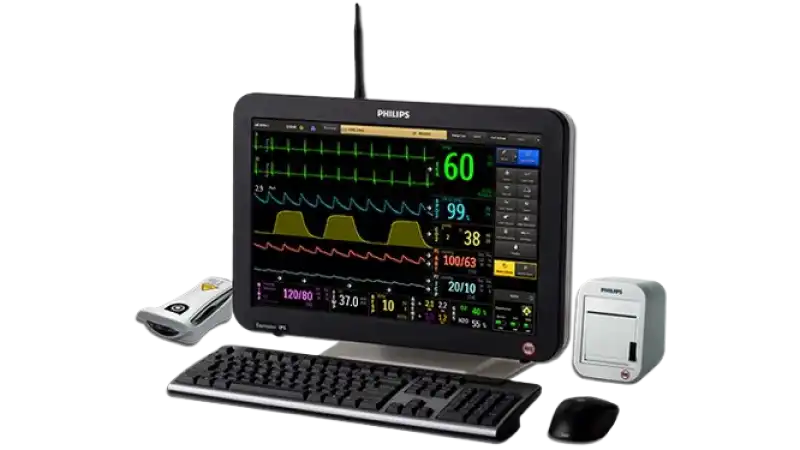
Advanced patient monitoring systems continuously measure and display vital health parameters such as heart rate, blood pressure, oxygen saturation, respiratory rate, and temperature. In intensive care units, these devices provide real-time alerts that enable medical teams to respond immediately to critical changes. Modern monitoring systems integrate digital displays, automated alarm systems, and data storage capabilities that enhance patient safety and streamline hospital workflow. The shift toward remote monitoring technologies also allows chronic patients to be observed outside hospital settings, reducing readmission rates and improving long-term disease management.
Role of Imaging in Early and Accurate Diagnosis
Early detection of disease significantly increases treatment success rates, and advanced imaging plays a central role in this process. MRI scans identify soft tissue abnormalities and neurological conditions, CT imaging detects trauma and lung infections rapidly, and ultrasound systems support obstetric and abdominal diagnostics. The enhanced clarity and speed of modern imaging devices allow physicians to make faster and more confident clinical decisions, reducing delays in treatment. Aarogyaa Bharat supports healthcare providers by promoting reliable imaging technologies that contribute to timely and accurate medical evaluation.
Real-Time Monitoring and Critical Care Safety
Continuous monitoring is essential in surgical units, emergency rooms, and intensive care environments where patient conditions can change rapidly. Multiparameter monitors track multiple vital signs simultaneously, ensuring early detection of complications such as arrhythmias, respiratory distress, or blood pressure instability. Advanced alarm systems notify healthcare professionals immediately, reducing the risk of delayed intervention. The integration of monitoring systems with hospital networks further improves coordination among departments and enhances overall patient safety standards.
Integration of Artificial Intelligence in Diagnostics
Artificial Intelligence has significantly enhanced both imaging and monitoring capabilities by assisting in pattern recognition, anomaly detection, and predictive analytics. AI-powered imaging software can highlight suspicious areas in scans, helping radiologists detect diseases with greater speed and consistency. In patient monitoring, AI algorithms analyze trends in vital data to predict potential deterioration before visible symptoms appear. This combination of human expertise and intelligent automation improves diagnostic accuracy and reduces the likelihood of oversight.
Portability and Point-of-Care Innovations
Portable imaging and monitoring devices have expanded access to advanced diagnostics beyond traditional hospital settings. Handheld ultrasound machines and compact patient monitors enable bedside assessments in emergency rooms, ambulances, rural clinics, and home care environments. These portable systems maintain high diagnostic accuracy while offering flexibility and faster response times. Aarogyaa Bharat encourages healthcare providers to adopt portable technologies that improve patient reach without compromising quality.
Applications in Specialized Medical Fields
Advanced imaging and monitoring devices are used across multiple medical specialties including cardiology, neurology, oncology, orthopedics, obstetrics, pulmonology, and critical care medicine. Cardiologists rely on ECG and cardiac monitoring systems, neurologists depend on MRI scans for brain imaging, and oncologists use advanced CT systems for tumor assessment. Each specialty benefits from precise diagnostics that guide targeted treatment strategies and improve patient outcomes.
Comparative Overview of Key Imaging and Monitoring Technologies
| Technology Type | Primary Purpose | Clinical Use Case |
|---|---|---|
| MRI Scanner | Detailed soft tissue imaging | Neurology, oncology |
| CT Scanner | Rapid cross-sectional imaging | Trauma, lung disease |
| Ultrasound Machine | Real-time internal imaging | Obstetrics, abdominal exams |
| Multiparameter Monitor | Continuous vital tracking | ICU, surgery |
| ECG Machine | Cardiac rhythm analysis | Cardiology |
| Pulse Oximeter | Oxygen saturation monitoring | Respiratory care |
Benefits for Hospitals and Healthcare Institutions
Investing in advanced diagnostic equipment enhances operational efficiency, improves patient trust, and supports higher clinical standards. Faster imaging turnaround reduces patient waiting times and increases throughput in diagnostic centers. Continuous monitoring systems lower complication risks during surgery and intensive care. Hospitals that adopt modern imaging and monitoring solutions position themselves as technologically advanced institutions capable of delivering safe and accurate healthcare services.
Data Connectivity and Smart Healthcare Systems
Modern diagnostic devices integrate with electronic health record systems, allowing seamless data sharing across departments. Imaging reports can be stored digitally and accessed securely, while monitoring data can be reviewed remotely by specialists. This interconnected ecosystem improves collaboration, reduces paperwork, and enhances treatment coordination. Aarogyaa Bharat promotes integrated healthcare environments that combine diagnostic precision with digital efficiency.
Future Trends in Medical Diagnosis
The future of medical diagnosis includes wearable monitoring devices, AI-assisted radiology, 3D imaging systems, robotic-guided procedures, and cloud-based data analytics. Wearable sensors are expected to monitor chronic conditions continuously, while AI tools will refine predictive diagnostics further. The continued evolution of imaging resolution and remote monitoring capabilities will make healthcare more personalized, preventive, and accessible across diverse populations.
Why Choose Aarogyaa Bharat for Diagnostic Equipment
Aarogyaa Bharat focuses on supplying dependable and future-ready medical equipment tailored to hospitals, clinics, and specialized care centers. From imaging support systems to advanced patient monitoring solutions, our commitment is to provide high-quality products backed by professional guidance and service reliability. We aim to empower healthcare institutions with technology that enhances diagnostic precision and elevates patient care standards.
Conclusion
Advanced imaging and monitoring devices represent the foundation of modern medical diagnosis by combining clarity, speed, safety, and intelligence. These technologies improve early detection, support continuous patient supervision, and enhance treatment planning accuracy. As healthcare continues to evolve toward digital and AI-integrated systems, investing in reliable diagnostic equipment becomes essential for sustainable growth. Aarogyaa Bharat remains dedicated to supporting healthcare providers with innovative solutions that shape the future of safe and precise medical care.