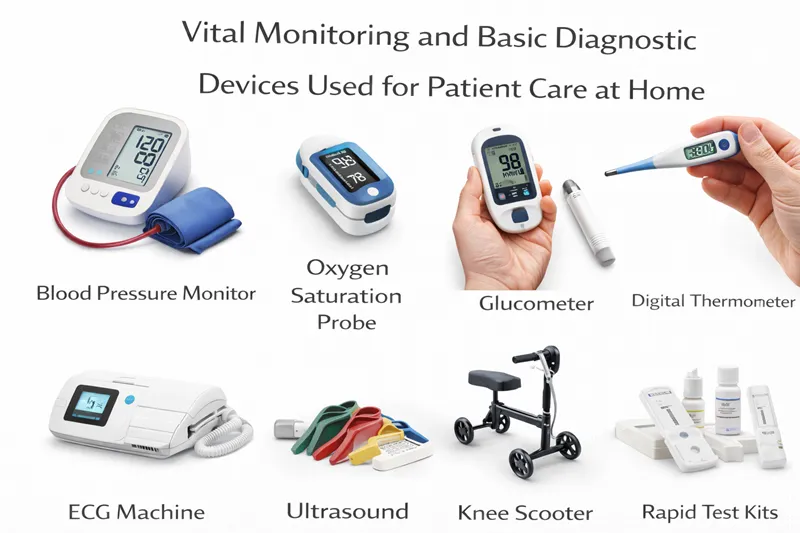
Every home may have a different set of medical devices
depending on the age, medical condition, and needs of family members. Common
devices include thermometers, weighing scales, blood pressure monitors, pulse
oximeters, glucometers, ECG monitors, nebulizers, and more. These devices not
only help in tracking health but also empower individuals and caregivers to
take timely action in case of abnormalities.
Importance of Home Monitoring Devices
- Early
Detection: Regular monitoring helps detect health problems before they
become severe, enabling early intervention and preventing complications.
- Chronic
Disease Management: Patients with conditions like diabetes,
hypertension, or heart disease can track vital signs daily, which is
crucial for maintaining stability.
- Convenience:
Reduces frequent trips to hospitals for routine checks, saving time and
resources.
- Empowerment:
Enables individuals to take control of their own health and make informed
decisions.
- Cost-Effective:
Prevents expensive emergency interventions by identifying issues early.
- Enhanced
Communication with Doctors: Devices that track and store data make it
easier to share accurate information with healthcare professionals.
- Improved
Lifestyle Management: Continuous monitoring encourages patients to
follow diet, exercise, and medication routines more diligently.
Common Home Monitoring Devices
1. Thermometers
- Measure
body temperature to detect fever, infection, or inflammation.
- Digital
thermometers provide quick and accurate readings.
- Infrared
or no-contact thermometers are ideal for infants, elderly, and multiple
users.
- Advanced
thermometers can track temperature trends and integrate with mobile health
apps.
- Monitor
body weight to track obesity, malnutrition, or fluid retention.
- Smart
scales provide BMI, body fat percentage, hydration levels, and heart rate.
- Some
models integrate with mobile apps for tracking progress over time.
- Essential
for patients with hypertension, cardiac risk, or kidney issues.
- Digital
automatic BP monitors are user-friendly and provide accurate readings.
- Some
monitors can store historical data and sync with smartphones for long-term
tracking.
- Proper
cuff size and correct posture are essential for accurate measurements.
- Measure
oxygen saturation (SpO2) and pulse rate.
- Vital
for patients with respiratory conditions such as asthma, COPD, or COVID-19
recovery.
- Portable,
lightweight, and simple to use at home or while traveling.
- Advanced
models provide trend analysis, alerts for low oxygen levels, and
integration with health apps.
5. Glucometers
- Monitor
blood glucose levels for diabetic patients.
- Enables
timely adjustment of diet, medication, or insulin therapy.
- Modern
glucometers connect to mobile apps for tracking long-term patterns and
sharing data with doctors.
- Continuous
glucose monitors (CGMs) provide real-time tracking and alerts.
6. ECG Monitors (Portable / Handheld)
- Detect
irregular heartbeats, arrhythmias, or other cardiac conditions.
- Some
portable ECG devices allow instant transmission of data to physicians.
- Ideal
for patients with known heart conditions or for preventive monitoring.
- Can
be combined with wearable devices for continuous monitoring.
7. Nebulizers
- Administer
respiratory medications for asthma, COPD, bronchitis, or other lung
conditions.
- Portable
and home-friendly models provide convenience and comfort.
- Reduces
dependency on hospital visits for routine respiratory therapy.
- Can
be used for children and elderly patients safely.
- Thermo-hygrometers
for monitoring room temperature and humidity.
- Digital
stethoscopes for heart and lung assessments.
- Infrared
thermometers for infection control and baby care.
- Urine
test kits for kidney, diabetes, and urinary tract monitoring.
- Home
lab kits for cholesterol, hemoglobin, and vitamin deficiencies.
Best Practices for Home Monitoring Devices
- Read
the instructions carefully to ensure proper usage and accurate readings.
- Maintain
hygiene by cleaning devices regularly.
- Keep
a log of readings to track trends and identify anomalies.
- Calibrate
devices periodically to maintain accuracy.
- Consult
healthcare professionals for interpretation and guidance.
- Store
devices safely to avoid damage or malfunction.
- Train
all family members or caregivers on proper usage, safety precautions, and
emergency responses.
- Schedule
regular check-ups with healthcare professionals to review recorded data.
Benefits of Home Vital Monitoring
- Early
detection of health issues preventing severe complications.
- Reduced
hospital visits and emergency interventions.
- Better
management of chronic conditions.
- Cost
savings over time through preventive care.
- Empowered
patients who are actively engaged in their health management.
- Encourages
healthy lifestyle changes based on monitoring trends.
- Reduces
stress and anxiety related to unpredictable health conditions.
- Enables
data-driven communication with healthcare providers for better care.
Emerging Trends in Home Monitoring Devices
- Smart
Health Devices: Integrate with smartphones and health apps to track
multiple health parameters.
- Wearable
Devices: Continuous monitoring of heart rate, oxygen levels, sleep
patterns, and activity.
- Telemedicine
Integration: Devices that sync with telemedicine platforms for remote
consultations.
- AI-Powered
Monitoring: Devices that analyze data and provide alerts or
recommendations.
- IoT-Enabled Home Health: Enables centralized monitoring and reporting of multiple patients or family members.
Conclusion
Vital monitoring and basic diagnostic devices empower
families to take control of their health. They allow early detection of
potential issues, effective management of chronic conditions, and convenience
in daily healthcare. Proper selection, usage, and regular monitoring ensure
accurate readings and better health outcomes.
At Aarogyaa Bharat, we provide a wide range of certified
home monitoring and diagnostic devices, helping patients and caregivers
maintain health and well-being effectively and safely in the comfort of their
homes.