Why a Physiotherapy Walker Is Essential for Structured
Rehabilitation
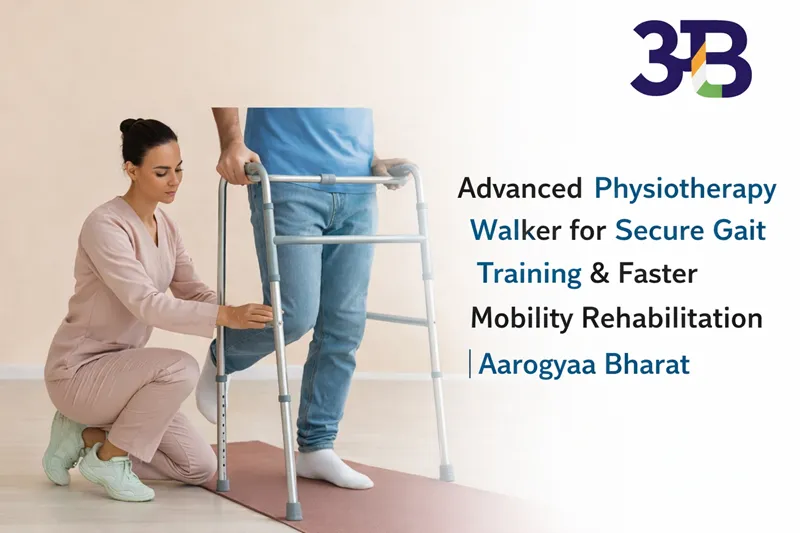
A physiotherapy walker is not just a walking aid; it is a
controlled rehabilitation tool designed to support balance retraining, muscle
activation, gait correction, and progressive weight-bearing exercises. During
recovery from knee replacement, hip surgery, fractures, stroke, spinal
conditions, or neuromuscular disorders, patients often struggle with stability
and confidence. A structured walking walker provides bilateral support, reduces
fall risk, and helps therapists gradually increase mobility goals. At aarogyaabharat.com, walkers are selected
keeping in mind home
care recovery plans as well as hospital-based physiotherapy protocols.
Whether the recovery is happening in a clinical setting or at home under
caregiver supervision, the right walker ensures safe alignment, posture
correction, and controlled movement. This becomes especially important for
elderly patients who require both support and psychological confidence while
walking. Aarogyaa Bharat integrates product guidance with hospital pages and
rehabilitation education so families can make informed decisions without
confusion.
Key Features to Look for in a Physiotherapy Walking
Walker
Choosing
the right walker for physiotherapy requires attention to structural
strength, height adjustment, grip ergonomics, anti-slip rubber tips, and frame
stability. A good rehabilitation walker must allow gradual weight shifting
without wobbling. Adjustable height ensures proper elbow flexion at around
15–30 degrees, preventing shoulder strain. Lightweight aluminum frames are
ideal for home use, while heavy-duty steel walkers are preferred for higher
weight-bearing patients. Non-slip rubber ferrules are critical for preventing
sliding on smooth floors. Foldable
walkers are useful for storage and hospital transfers. Aarogyaa Bharat
offers detailed product specifications so caregivers understand weight
capacity, width dimensions, and handle comfort before purchase or rental. When
physiotherapy is part of post-surgical care, especially after joint
replacement, correct equipment reduces recovery time and builds patient
independence safely.
Types of Walkers Used in Physiotherapy Programs
Different rehabilitation stages require different walker
types. Fixed walkers provide maximum stability for early recovery when balance
is minimal. Reciprocal walkers allow slight alternating movement, supporting a
more natural gait pattern. Two-wheel walkers help in moderate recovery where
partial mobility has returned. Rollator walkers with wheels and brakes are used
in advanced physiotherapy when endurance training begins. In hospital settings,
therapists may recommend platform walkers for patients with wrist injuries or
neurological weakness. Aarogyaa Bharat ensures patients understand which walker
type matches their recovery stage, preventing under-support or over-dependence.
Selecting the correct design directly influences muscle engagement, posture training,
and long-term mobility independence.
Physiotherapy Conditions Where a Walking Walker Is
Recommended
Walking walkers are widely prescribed after knee replacement
surgery, hip replacement recovery, spinal surgery, stroke rehabilitation,
Parkinson’s disease, muscle weakness, fractures, ligament injuries, and
age-related balance disorders. In many hospital pages listed on
aarogyaabharat.com, doctors recommend early mobilization with structured
support to prevent complications like blood clots, stiffness, and muscle
atrophy. For elderly patients with arthritis or neuropathy, walkers reduce
joint pressure and improve daily movement safety. Post-operative patients
benefit from stable support during bathroom transfers and short-distance indoor
walking. Physiotherapy walkers also help patients regain symmetrical gait
patterns under therapist supervision. The right equipment ensures controlled
recovery without risking falls or improper weight loading.
Comparison of Walker Types
for Rehabilitation
|
Walker Type |
Stability Level |
Best For |
Mobility Level |
Ideal Setting |
|
Fixed Walker |
Very High |
Early post-surgery recovery |
Low |
Hospital & Home Care |
|
Reciprocal Walker |
High |
Gradual gait training |
Moderate |
Physiotherapy Centers |
|
Two-Wheel Walker |
Moderate |
Improving balance patients |
Moderate to High |
Indoor Use |
|
Rollator Walker |
Controlled with brakes |
Endurance & outdoor rehab |
High |
Advanced Recovery |
Weight Capacity & Structural Specifications Guide
|
Feature |
Standard Walker |
Heavy-Duty Walker |
|
Weight Capacity |
Up to 100–120 kg |
150 kg or more |
|
Frame Material |
Aluminum |
Reinforced Steel |
|
Height Adjustment |
Yes |
Yes |
|
Foldable |
Mostly Yes |
Sometimes |
|
Best Use |
General rehab |
Bariatric patients |
How Aarogyaa Bharat Supports Recovery Beyond Just
Equipment
Aarogyaa Bharat is more than a medical equipment platform.
It connects patients with hospital
pages, home care guidance, and rehabilitation resources. Families can
explore recovery education along with product options to ensure safe mobility
decisions. The platform also highlights important healthcare calculators that
help during recovery planning. For example, the BMI Calculator helps determine
safe weight-bearing levels for rehabilitation. The Ideal Weight Calculator
assists physiotherapists in designing appropriate mobility plans. These tools
allow caregivers to monitor patient progress scientifically instead of guessing
mobility limitations. By combining mobility aids with healthcare calculators and
hospital insights, aarogyaabharat.com creates a structured ecosystem for
recovery rather than just selling walkers.
Safety Guidelines While Using a Physiotherapy Walker
Using a walker correctly is as important as choosing the
right one. Patients must maintain upright posture, avoid leaning excessively
forward, and move the walker first before stepping into it. Rubber tips must be
checked regularly to prevent slipping. Floor surfaces should be dry and
clutter-free. During early physiotherapy, a caregiver or therapist should
supervise walking sessions. Patients must wear anti-slip footwear and avoid
uneven surfaces until stability improves. Aarogyaa Bharat provides safety instructions
so families can confidently manage rehabilitation
at home without risking falls or strain injuries.
Benefits of Using a Walking Walker in Rehabilitation
• Improves balance and coordination
• Reduces fall risk significantly
• Encourages early mobilization post-surgery
• Supports muscle strengthening exercises
• Enhances patient confidence
• Assists in posture correction
• Reduces joint pressure
• Helps maintain independence in daily activities
Human Side of Recovery – Confidence, Dignity &
Independence
Recovery is not only physical; it is emotional. Many elderly
individuals feel dependent and frustrated after surgery or illness. A reliable
physiotherapy walker restores dignity by allowing safe independent movement.
When patients can walk to the bathroom, dining table, or balcony without fear,
their mental well-being improves significantly. Aarogyaa Bharat understands
that mobility aids are about restoring life quality, not just movement. That is
why every walker recommendation focuses on comfort, stability, and emotional
confidence. Rehabilitation becomes smoother when patients feel supported,
secure, and hopeful about their progress.
Home Care vs Hospital Physiotherapy – Choosing the Right
Support
Hospital physiotherapy programs offer structured
supervision, advanced equipment, and guided gait training. However, most
recovery continues at home. A walking
walker bridges that gap between hospital discharge and full
independence. Aarogyaa Bharat helps families choose products suitable for home
environments, narrow corridors, and daily indoor movement. By aligning walker
selection with hospital discharge advice, the recovery journey remains
consistent and safe.
When to Upgrade or Replace a Walker During Rehab
As strength improves, patients may transition from a fixed
walker to a wheeled walker or rollator. This transition should be supervised by
a physiotherapist. If the walker feels unstable, too low, or difficult to lift,
adjustments are required. Rubber tips worn out or frame loosening are signs for
replacement. Aarogyaa Bharat ensures quality-certified walkers designed for
long-term durability so patients do not face unexpected instability during
recovery.
Conclusion
A physiotherapy walking walker is not merely a mobility aid; it is a structured rehabilitation partner that ensures safe, progressive, and confident recovery. From post-surgery healing to neurological rehabilitation, the right walker reduces risk and accelerates independence. Aarogyaa Bharat combines hospital guidance, healthcare calculators, expert insights, and quality mobility equipment to create a complete recovery ecosystem. When families choose the right support at the right time, rehabilitation becomes smoother, safer, and more empowering. Visit aarogyaabharat.com to explore physiotherapy walkers designed to restore movement, dignity, and strength in every step of recovery.