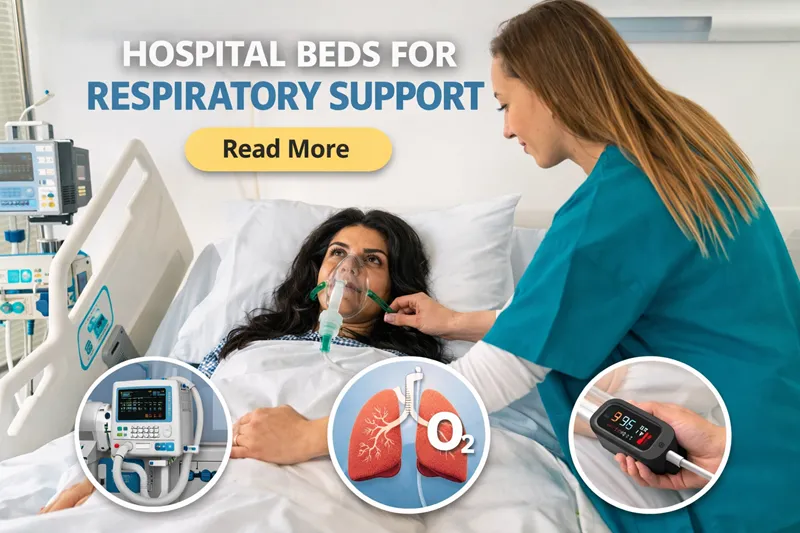
From COPD, asthma, pneumonia, post-COVID complications,
sleep-related breathing disorders, neuromuscular weakness, and elderly
respiratory decline, the right hospital bed can significantly reduce
breathlessness, improve oxygen saturation, and prevent complications.
This in-depth guide explains how hospital beds support
respiratory function, why normal beds are often inadequate, which features
matter most, and how families can create a safer, more supportive breathing
environment at home without compromising dignity or comfort.
Understanding Respiratory Support Needs
What Is Respiratory Support?
Respiratory support refers to medical and positional
assistance that helps patients breathe more effectively. This may include:
- Oxygen
therapy
- Assisted
or non-invasive ventilation
- Postural
breathing support
- Airway
clearance positioning
- Energy-conserving
rest positions
For many patients, especially in home care, proper bed
positioning becomes the first and most important form of respiratory support.
Common Conditions That Require Respiratory-Friendly
Hospital Beds
Hospital beds are widely recommended for patients with:
- Chronic
Obstructive Pulmonary Disease (COPD)
- Asthma
and chronic bronchitis
- Post-COVID
breathlessness and lung fibrosis
- Pneumonia
recovery
- Neuromuscular
disorders affecting breathing
- Obesity-related
breathing difficulty
- Elderly
patients with reduced lung capacity
- Long-term
oxygen therapy users
Search terms such as “hospital bed for breathing problem,”
“best bed for COPD patient,” “oxygen bed for home,” and “adjustable bed for
respiratory patient” reflect growing awareness of this need.
Why Normal Beds Are Not Suitable for Respiratory Support
Standard household beds are designed for sleep not breathing
assistance.
Limitations of normal beds include:
- Flat
sleeping position that worsens breathlessness
- Difficulty
maintaining semi-upright posture
- Frequent
sliding when propped with pillows
- Poor
support for oxygen therapy equipment
- Increased
anxiety during nighttime breathlessness
Patients often wake up gasping, fatigued, or anxious symptoms
that can be significantly reduced with the right hospital bed.
How Hospital Beds Improve Breathing and Lung Function
Hospital beds are designed to support respiratory-friendly
positioning, making breathing easier and safer.
Head Elevation: The Most Important Feature for
Respiratory Support
Elevating the upper body reduces pressure on the lungs and
diaphragm.
Hospital beds allow:
- Adjustable
head elevation (30-60 degrees)
- Stable
semi-upright positions without sliding
- Comfortable
posture for oxygen therapy
Benefits include:
- Improved
lung expansion
- Reduced
breathlessness
- Better
oxygen saturation
- Less
nighttime respiratory distress
This is especially important for COPD, post-COVID, and
elderly patients.
Supporting Oxygen Therapy at Home
Many respiratory patients rely on oxygen support.
Hospital beds help by:
- Providing
safe head elevation for oxygen flow
- Supporting
nasal cannula or mask positioning
- Reducing
risk of oxygen tube displacement
- Allowing
caregivers easy access for monitoring
This improves both safety and effectiveness of oxygen
therapy.
Reducing Work of Breathing and Fatigue
Breathing difficulty increases energy expenditure.
Hospital beds reduce breathing effort by:
- Supporting
relaxed chest posture
- Preventing
abdominal compression
- Allowing
frequent position changes
This helps patients conserve energy and reduces fatigue a
major concern in chronic respiratory illness.
Side-Lying and Recovery Positions Made Easier
Doctors often recommend:
- Side-lying
positions
- Semi-prone
or recovery postures
Hospital beds make these positions easier by:
- Allowing
gradual angle adjustments
- Supporting
safe repositioning
- Reducing
caregiver strain
This flexibility improves airway clearance and comfort.
Height Adjustment for Safe Transfers and Reduced
Breathlessness
Many respiratory patients experience dizziness and shortness
of breath during movement.
Height-adjustable hospital beds:
- Reduce
effort when sitting up
- Make
standing safer
- Lower
fall risk during transfers
This supports safe mobility without triggering
breathlessness.
Side Rails for Stability and Confidence
Respiratory distress often creates anxiety.
Side rails provide:
- Support
during coughing or repositioning
- Psychological
reassurance
- Protection
against sudden falls
A secure environment helps patients breathe more calmly.
Improving Sleep Quality in Respiratory Patients
Poor sleep worsens respiratory health.
Hospital beds improve sleep by:
- Maintaining
elevated sleeping posture
- Reducing
nighttime breathlessness
- Minimising
repeated awakenings
Better sleep supports faster recovery and better lung
function.
Benefits for Caregivers and Home Nursing
Respiratory care requires frequent monitoring.
Hospital beds:
- Reduce
caregiver bending and lifting
- Make
suctioning, oxygen adjustment, and monitoring easier
- Improve
emergency response time
This ensures safer and more efficient home respiratory care.
Types of Hospital Beds Best for Respiratory Support
Manual Hospital Beds
- Limited
positioning options
- Suitable
only for mild respiratory support
Semi-Electric Hospital Beds
- Electric
head adjustment
- Manual
height control
- Suitable
for moderate respiratory needs
Fully Electric Hospital Beds (Strongly Recommended)
- Precise
head, leg, and height adjustment
- Minimal
effort during breathlessness episodes
- Best
for long-term respiratory care
Long-Term Cost and Health Benefits
Using a hospital bed for respiratory support:
- Reduces
hospital readmissions
- Prevents
respiratory complications
- Improves
oxygen efficiency
- Enhances
patient comfort and dignity
Over time, it becomes a preventive healthcare investment.
Who Should Strongly Consider a Hospital Bed for
Respiratory Support?
Hospital beds are especially important for:
- COPD
and chronic lung disease patients
- Elderly
individuals with breathlessness
- Post-COVID
respiratory recovery
- Long-term
oxygen therapy users
- Neuromuscular respiratory weakness
Conclusion: Breathing Better Begins with the Right Bed
Respiratory care is not only about medication or oxygen it
is about how the body is supported every hour of the day and night.
A hospital bed for respiratory support provides:
- Optimal
breathing posture
- Improved
oxygen efficiency
- Reduced
breathlessness and anxiety
- Safer
mobility and transfers
- Better
sleep and recovery
For families managing respiratory illness at home, the right
hospital bed transforms the care environment into a supportive,
breathing-friendly space one that protects both the patient’s lungs and the
caregiver’s wellbeing.
When breathing becomes easier, recovery accelerates,
confidence returns, and quality of life improves.
The right hospital bed doesn’t just support the body it
supports every breath.
Hospital beds for respiratory support play a crucial role in managing breathing conditions at home. With adjustable head elevation, oxygen compatibility, and caregiver-friendly design, these beds help improve airflow, comfort, and recovery for patients with COPD, asthma, or post-infection respiratory issues.
Aarogyaa Bharat offers expert-guided solutions to ensure safe, effective respiratory care at home.