Families searching hospital pages for mobility advice often
learn that choosing the correct walker design can dramatically improve safety
and independence for seniors living in small homes or apartments. Aarogyaa
Bharat’s home care and rehabilitation section highlights compact walkers as
practical mobility solutions that allow seniors to maintain daily independence
even in space-restricted environments. Healthcare calculators used for
fall-risk assessments also emphasize the importance of using mobility aids that
match the user’s home layout, ensuring safe and comfortable movement throughout
the house.
Why Space-Saving Walkers Are Important for Small Homes
Many elderly individuals live in apartments, assisted living
rooms, or houses where space is limited. Large walkers can be difficult to
manoeuvre around furniture, narrow corridors, and bathroom entrances. A compact
walker with a slim frame allows seniors to move more comfortably within these
tight spaces. Research on mobility aids shows that narrow walkers are
particularly useful for elderly individuals because their slim design makes it
easier to navigate narrow environments without compromising stability.
Hospital pages that guide patients recovering from surgery
frequently recommend compact walkers because they allow safer movement indoors
without the risk of bumping into furniture. Aarogyaa Bharat’s rehabilitation
equipment guides also highlight space-saving walkers as ideal solutions for
elderly individuals who primarily walk indoors. By choosing a walker that
matches the size of the living space, seniors can move more confidently and
reduce the risk of accidents.
Key Design Characteristics of Walkers for Limited Space
Walkers designed for small homes incorporate several
structural features that improve manoeuvrability and storage convenience. These
walkers usually include a narrow frame that allows easy movement through
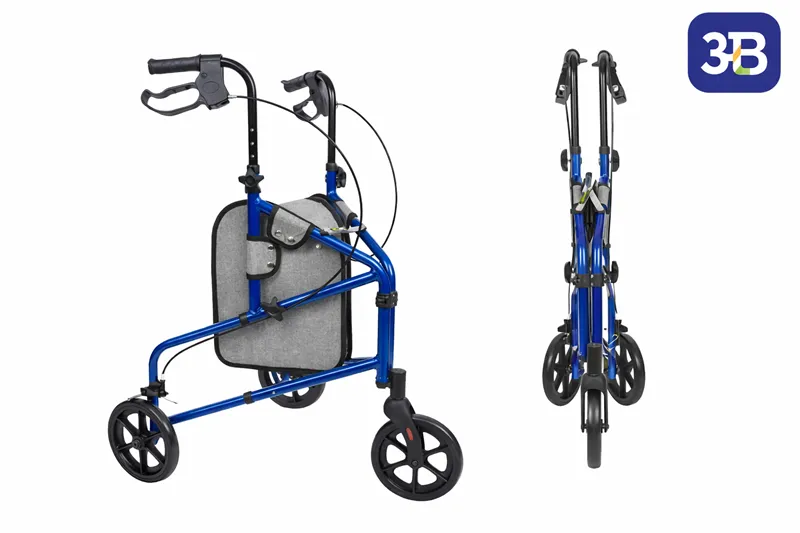
doorways and tight hallways. Many models also include folding mechanisms that
allow the walker to collapse flat for storage when not in use. Some compact
walkers are designed with widths around 50–55 cm, making them suitable for
indoor spaces and narrow doorways.
Another important design feature is lightweight
construction. Aluminium frames reduce the weight of the walker while
maintaining durability and stability. Aarogyaa Bharat’s home care equipment
guides frequently recommend lightweight walkers because they allow seniors to
move the device easily between rooms. Adjustable height handles also help
ensure correct posture, which is essential for comfortable daily walking.
Typical Specifications of Compact Walkers
|
Feature |
Description |
|
Frame Width |
Usually 50-60 cm for narrow spaces |
|
Frame Material |
Lightweight aluminium |
|
Height Adjustment |
Adjustable handle levels |
|
Folding Mechanism |
Push-button folding system |
|
Weight Capacity |
Typically, 100-150 kg |
|
Grip Type |
Ergonomic handles for comfort |
How Compact Walkers Improve Indoor Mobility
Indoor mobility is essential for maintaining independence
among elderly individuals. A compact walker allows seniors to move safely
between rooms while performing everyday activities such as cooking, resting, or
using the bathroom. Narrow walkers are particularly beneficial because they can
move around furniture and through tight doorways without difficulty.
Aarogyaa Bharat’s rehabilitation section highlights compact
walkers as ideal mobility aids for seniors living in apartments or assisted
living facilities where space may be limited. Hospital pages frequently
emphasize that proper indoor mobility support reduces the likelihood of falls,
which are one of the leading causes of injury among seniors. Healthcare
calculators that evaluate fall risk often recommend walkers as part of a
comprehensive safety plan for elderly individuals with balance challenges.
Situations Where Compact Walkers Are Most Useful
Compact walkers are especially beneficial in homes where
space constraints limit the use of larger mobility equipment. Seniors living in
studio apartments or small bedrooms often rely on slim walkers to move safely
without hitting walls or furniture. Individuals recovering from surgery may
also use compact walkers during early rehabilitation phases when movement must
remain slow and controlled. Aarogyaa Bharat’s home care equipment guides
explain that narrow walkers allow seniors to move safely in kitchens,
bathrooms, and hallways where space is restricted. Healthcare calculators used
by caregivers frequently indicate that choosing the correct walker size is
crucial for preventing indoor accidents.
Advantages of Using a Walker Designed for Small Spaces
- Easier
movement through narrow doorways and hallways
- Reduced
risk of hitting furniture or walls
- Lightweight
design for comfortable daily use
- Folding
mechanisms allow easy storage
- Ideal
for apartments and small homes
- Encourages
independent movement indoors
- Compatible
with rehabilitation and physiotherapy programs
- Improves
balance and walking confidence
Compact Walker vs Standard Walker
|
Feature |
Compact
Walker |
Standard
Walker |
|
Width |
Narrow frame |
Wider frame |
|
Manoeuvrability |
Excellent for
tight spaces |
Less flexible
indoors |
|
Storage |
Often
foldable |
Larger
storage space required |
|
Weight |
Lightweight |
Usually,
heavier |
|
Best Use |
Apartments
and small homes |
Larger indoor
areas |
How to Choose the Best Walker for Limited Space
Selecting the right walker requires evaluating both the
user’s mobility needs and the size of the living environment. Seniors who live
in small homes should prioritize narrow walkers that can easily move through
doorways and around furniture. Adjustable height handles ensure the walker
aligns with the user’s posture and prevents strain on the arms and shoulders.
Aarogyaa Bharat recommends checking the walker’s width, folding capability, and
weight capacity before making a purchase. Hospital pages often suggest
consulting physiotherapists to determine the most suitable walker design based
on the patient’s balance and walking strength. Healthcare calculators that
measure mobility limitations can also help families decide whether a compact
walker, rollator walker, or walking stick is the best option.
Role of Compact Walkers in Rehabilitation and Recovery
During rehabilitation after surgery or injury, patients
often begin using walkers to regain walking stability. Compact walkers are
particularly useful during this phase because they allow patients to practice
walking safely within their homes. Physiotherapists listed on hospital pages
frequently recommend narrow walkers for indoor recovery exercises. Aarogyaa
Bharat’s rehabilitation section explains that mobility aids help patients
rebuild confidence and strength during recovery. Healthcare calculators used to
monitor rehabilitation progress often measure walking distance and stability
improvements over time. With the right walker, patients can transition from
assisted walking to independent mobility more comfortably.
Conclusion
Compact walkers designed for limited space environments provide an excellent mobility solution for seniors living in apartments or small homes. Their narrow frames, lightweight construction, and folding mechanisms allow elderly individuals to move safely through tight indoor spaces while maintaining independence. Unlike bulky walkers that may be difficult to manoeuvre indoors, compact walkers offer a practical balance between stability and convenience. Aarogyaa Bharat’s home care and rehabilitation equipment collections emphasize the importance of selecting mobility aids that match both the user’s physical condition and the home environment. By consulting hospital pages, exploring cities pages, and using healthcare calculators to evaluate mobility needs, families can choose walkers that support safe and comfortable movement in limited living spaces. With the right compact walker, seniors can continue enjoying independent lifestyles while reducing the risk of falls and mobility challenges.