At Aarogyaa Bharat, we work closely with patients, caregivers, and doctors across India to help people find the right oxygen solutions for home use and mobility. This in-depth guide will walk you through everything you need to know features, comparisons, travel tips, safety precautions, and how to select the best POC for your personal medical needs.
Why Choose a Portable Oxygen Concentrator for Travel?
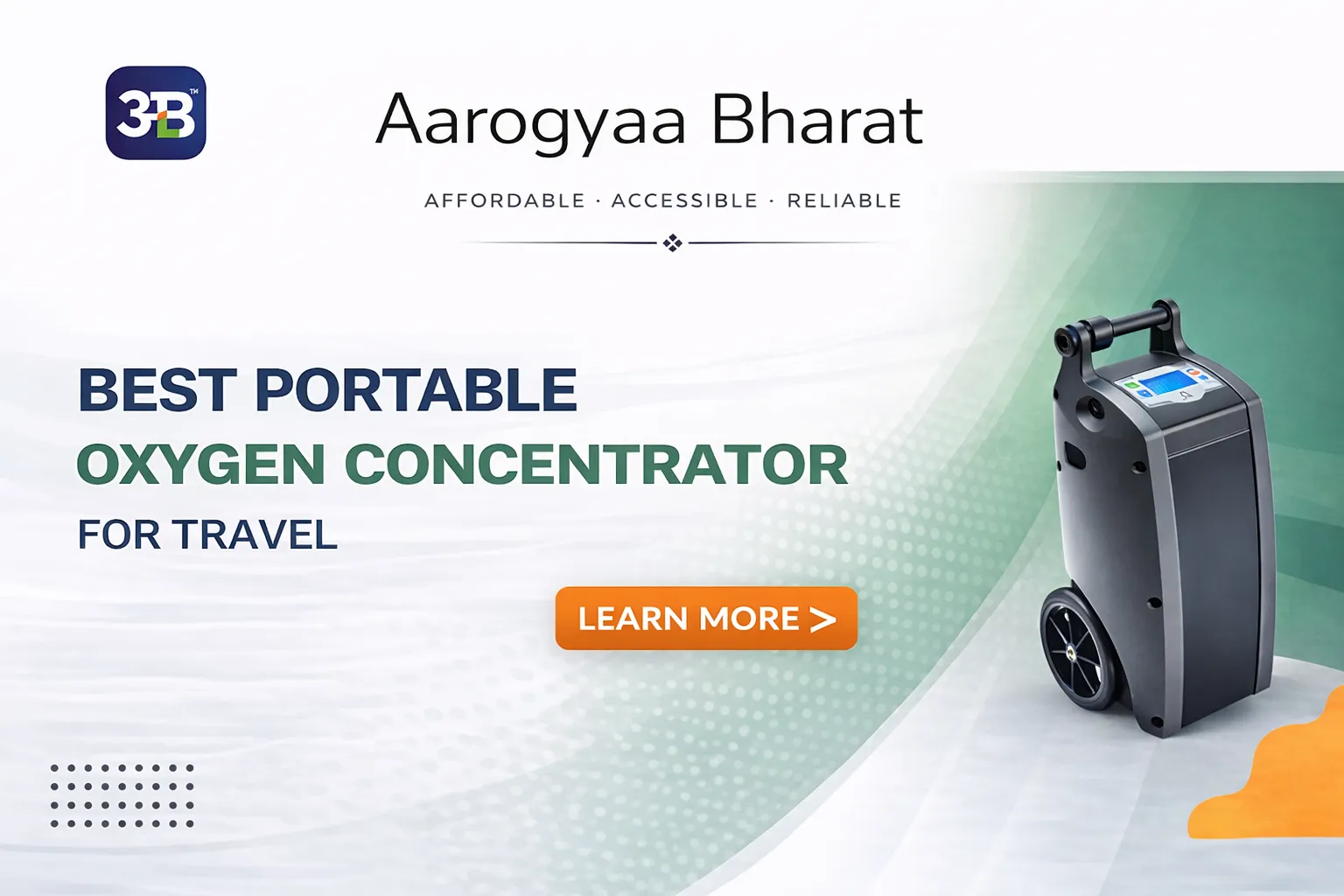
For years, oxygen cylinders were the only option for mobile oxygen therapy. However, cylinders are heavy, require frequent refilling, and can be difficult to carry. Portable oxygen concentrators solve all these problems by extracting oxygen from ambient air and delivering purified oxygen continuously or in pulses.
A good portable oxygen concentrator allows you to move freely without worrying about running out of oxygen. It gives you independence, flexibility, and confidence to live life normally while managing your health condition.
Key benefits of portable oxygen concentrators for travelers include:
• Lightweight and easy to carry
• Rechargeable battery operation
• No need for refills or oxygen cylinders
• Safe for home, road, rail, and air travel
• Low maintenance compared to cylinders
• Continuous or pulse oxygen delivery options
Who Needs a Portable Oxygen Concentrator?
Portable oxygen concentrators are recommended for patients who need supplemental oxygen due to various medical conditions. These include:
• Chronic Obstructive Pulmonary Disease (COPD)
• Asthma (severe cases)
• Interstitial lung disease (ILD)
• Pulmonary fibrosis
• Post-COVID lung recovery
• Heart failure with oxygen dependency
• Sleep apnea (in select therapy plans)
• Elderly patients with low blood oxygen saturation
If your doctor has prescribed oxygen therapy and you want to maintain mobility, a portable oxygen concentrator is often the most practical choice.
Types of Portable Oxygen Concentrators
Before choosing the best model, it’s important to understand the two main types of portable oxygen concentrators available in India.
1. Pulse-Dose Portable Oxygen Concentrators
Pulse-dose POCs deliver oxygen only when the patient inhales. These are ideal for ambulatory users and travelers who are awake and active. They are lighter, more energy-efficient, and offer longer battery life.
2. Continuous-Flow Portable Oxygen Concentrators
Continuous-flow POCs provide a constant oxygen stream regardless of breathing patterns. These are better suited for patients who need steady oxygen delivery, including those who use oxygen while sleeping.
Your doctor’s prescription should guide you on which type is medically appropriate for you.
Key Factors to Consider When Buying the Best Portable Oxygen Concentrator for Travel
Choosing the right portable oxygen concentrator is not just about price. It’s about matching the device to your medical needs, travel habits, and lifestyle.
1. Oxygen Flow Capacity
Different patients require different oxygen flow rates. Most portable concentrators offer pulse flow levels ranging from 1 to 6. Some advanced models support continuous flow up to 2–3 LPM.
If your prescription requires higher flow rates, you may need a hybrid or transport-grade concentrator instead of a compact POC.
2. Battery Life and Charging Options
Battery backup is one of the most critical factors for travelers. A good portable oxygen concentrator should provide at least 4–8 hours of battery life per charge. Some models support external battery packs for extended usage.
Look for devices that allow charging via:
• AC wall sockets
• Car chargers
• Power banks (select models)
This flexibility ensures uninterrupted oxygen support during long journeys.
3. Weight and Portability
Portability matters when traveling by train, taxi, or airplane. Most travel-friendly oxygen concentrators weigh between 2 and 6 kg.
If you are elderly or traveling alone, choose a lightweight model with a shoulder strap or trolley wheel system for easy handling.
4. Noise Level
Quiet operation is important for comfort during sleep, hotel stays, and flights. A good POC should operate below 45 dB to avoid disturbing others.
5. FAA and Airline Approval
If you plan to travel by air, make sure your portable oxygen concentrator is FAA-approved. Most modern POCs meet airline safety standards, but always confirm with your airline before booking tickets.
6. Ease of Use and Display
User-friendly controls, digital displays, and clear alarms help ensure safe operation. Features such as oxygen purity indicators, battery alerts, and error notifications are extremely helpful, especially for elderly users.
7. After-Sales Support and Warranty
Medical equipment requires dependable service. Choose a supplier like Aarogyaa Bharat that offers:
• Product warranty
• Spare parts availability
• On-site service support
• Remote troubleshooting assistance
Best Portable Oxygen Concentrator Features at a Glance
| Feature | Why It Matters for Travel |
|---|---|
| Lightweight Design | Easier to carry and move around |
| Long Battery Backup | Ensures uninterrupted oxygen delivery |
| Pulse Flow Technology | Saves power and extends battery life |
| Quiet Operation | Comfortable for flights and hotel stays |
| Airline Approval | Mandatory for air travel |
| Digital Display | Easy monitoring of settings and alerts |
| Car Charging Support | Ideal for road trips |
| Compact Size | Fits easily into carry bags or luggage |
Travel Tips for Using a Portable Oxygen Concentrator
Traveling with oxygen equipment becomes much easier when you plan ahead. These practical tips can help you avoid last-minute stress and medical complications.
Before Your Trip
• Consult your doctor and confirm your oxygen flow prescription
• Test your concentrator for several hours at home
• Carry spare batteries or charging cables
• Pack extra nasal cannulas and tubing
• Keep your medical prescription handy
During Road Travel
• Use car chargers for continuous power
• Place the device on a flat surface
• Avoid blocking air intake vents
• Keep windows slightly open for ventilation
During Train Travel
• Reserve lower berths for easy access
• Carry a power bank or spare battery
• Inform railway staff if needed
• Keep the concentrator secured from falls
During Air Travel
• Inform the airline 48–72 hours in advance
• Carry FAA approval documentation
• Ensure battery backup for 150% of flight duration
• Use a soft carrying case for protection
Safety Precautions While Traveling with a Portable Oxygen Concentrator
Oxygen therapy equipment must always be handled carefully to prevent accidents and ensure consistent oxygen delivery.
• Keep the device away from flames or smoking areas
• Do not use oil-based creams near oxygen outlets
• Avoid exposing the concentrator to extreme heat or rain
• Clean filters regularly as per manufacturer guidelines
• Monitor oxygen purity levels periodically
• Never modify flow settings without medical advice
Why Buy from Aarogyaa Bharat?
At Aarogyaa Bharat, we understand that buying a portable oxygen concentrator is not just a purchase it’s a healthcare decision that affects daily life and mobility.
What makes Aarogyaa Bharat the preferred choice:
• Genuine, tested oxygen concentrators
• Expert guidance based on medical prescriptions
• Transparent pricing
• Nationwide delivery across India
• After-sales service and warranty support
• Easy EMI and rental options
• Doctor consultation support (on request)
We don’t just sell machines we help families breathe easier.
Conclusion
Choosing the best portable oxygen concentrator for travel can transform the way you live with oxygen therapy. The right device gives you freedom, confidence, and the ability to travel without compromising your health.
At Aarogyaa Bharat, our mission is to make oxygen therapy affordable, accessible, and reliable for every Indian family. If you’re planning to buy or rent a portable oxygen concentrator, our expert team is always ready to guide you toward the safest and most suitable option.
Live freely. Travel safely. Breathe better with Aarogyaa Bharat.