A standard bedroom set simply cannot accommodate the medical
realities of chronic illness, post-surgical recovery, or age-related decline.
Attempting to care for someone in a regular bed leads to a host of problems:
unsafe transfers, excruciating back pain for the caregiver, and an increased
risk of bedsores for the patient. This comprehensive guide will walk you
through the essential, non-negotiable features you must evaluate when shopping
for a home hospital bed, ensuring you make a safe, practical, and informed
investment.
Adjustability Mechanisms: Manual, Semi-Electric, and Fully Electric
The defining characteristic of any hospital bed is its
ability to adjust positioning. The mechanism used to achieve this adjustment is
the first major feature to consider, as it directly impacts both patient
independence and caregiver ergonomics.
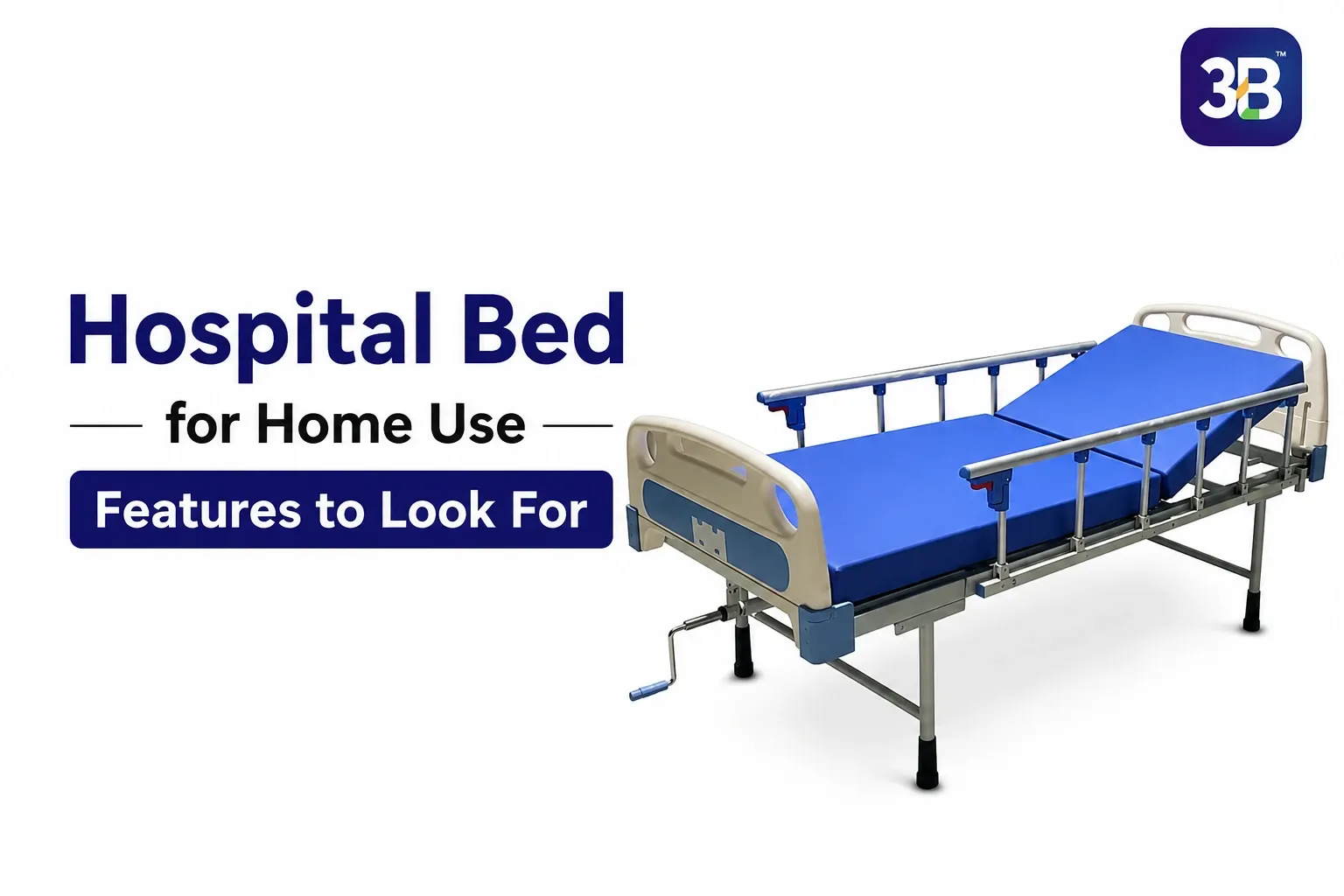
Semi-electric hospital beds are the most common
choice for home use. They feature an electric motor to control the upper body
(head) and lower body (foot) sections via a simple handheld pendant. This
allows the patient to independently adjust their sitting position to eat, read,
or watch television. However, the overall height of the bed frame is adjusted
manually using a crank. Since the bed height rarely needs to be changed once
set to the caregiver's preferred working height, the manual crank is rarely a
nuisance.
Fully electric hospital beds, on the other hand, use
motors for everything: the head, the foot, and the overall bed height. This is
an ideal feature for patients who want maximum independence, as they can lower
the bed to safely get in and out without assistance. It is also highly beneficial
for caregivers who may need to raise the bed to a comfortable height to change
sheets or perform medical tasks without bending over. While more expensive, the
convenience of fully electric adjustments is unparalleled.
Weight Capacity and Bed Dimensions
Standard home hospital beds are typically designed to safely
support patients weighing up to 350 to 450 pounds. However, if the patient has
a larger body frame, relying on a standard bed is a severe safety hazard. When
assessing hospital bed for home use features to look for, you must
accurately evaluate the patient's weight and factor in any additional weight
from heavy mobility aids for seniors or bariatric equipment
that might be placed on the bed.
For heavier patients, bariatric hospital beds are
an absolute necessity. These beds are built with reinforced heavy-duty steel
frames, extra-wide sleeping surfaces (often 42 to 54 inches wide compared to
the standard 36 inches), and powerful motors designed to handle increased
weight without burning out. Furthermore, you must measure the room dimensions
carefully. A fully extended hospital bed takes up more floor space than a
standard bed, and you must leave adequate room for walkers, wheelchairs, and
caregivers to move freely on all sides.
Advanced Positioning Options
Basic head and foot elevation is standard, but many medical
conditions require more advanced positioning. If the patient suffers from chronic
obstructive pulmonary disease (COPD), asthma, or heart failure, the ability
to sit upright is vital for lung expansion and reducing fluid buildup in the
lungs. In these cases, pairing the bed with accurate respiratory health
tracking devices like pulse oximeters is essential, and the bed itself
must facilitate easy breathing.
Look for beds that offer a "chair position" (also
known as cardiac chair position), which bends the knees and raises the back
simultaneously, allowing the patient to sit fully upright without sliding down
the mattress. Additionally, some advanced home beds offer the Trendelenburg and
Reverse Trendelenburg positions. Trendelenburg tilts the entire bed so the feet
are higher than the head, which can help with certain cardiovascular
conditions. Reverse Trendelenburg tilts the head higher than the feet, aiding patients
with severe acid reflux or digestion issues.
FDA-Compliant Safety Features
When it comes to patient safety at home, there
is no room for compromise. Hospital beds introduce mechanical and structural
risks that standard beds do not have. The most critical safety feature to
evaluate is the side rail system.
Side rails prevent the patient from rolling out of bed and
provide a sturdy handhold for repositioning. However, poorly designed rails can
create a fatal entrapment hazard where a patient's head, neck, or chest gets
caught between the rail and the mattress. You must ensure that the bed and
mattress combination complies with the FDA’s Hospital Bed System Entrapment
Guidelines. This means the gaps within the bed frame and between the rails and
the mattress must be small enough to prevent a human head from passing through.
Other essential safety features include locking casters
(wheels). The bed must lock firmly into place to prevent it from sliding across
the floor when the patient is transferring in or out. Additionally, look for
beds with a battery backup system. In the event of a power outage, a battery
backup ensures the bed can still be lowered so the patient can safely exit,
rather than being trapped in an elevated position.
The Mattress: The Unsung Hero of Patient Comfort
A hospital bed frame is useless without the correct
mattress. You absolutely cannot place a standard innerspring mattress on a
hospital bed frame, as it will bend incorrectly at the hinge points, causing
severe discomfort and damaging the mattress. When determining hospital
bed for home use features to look for, the mattress selection is just as
important as the frame itself.
The primary goal of a medical mattress is pressure
ulcer prevention. Bedridden patients or those with limited mobility are at
high risk for developing pressure sores (bedsores) because they cannot shift
their weight naturally. For low-risk patients, a high-density foam mattress is
usually sufficient. However, for patients with existing sores or very limited
mobility, you must look into an alternating pressure mattress. These advanced
mattresses use air pumps to continuously inflate and deflate different air
cells, constantly shifting the pressure points on the patient's body to promote
blood circulation. Gel-infused foam mattresses are another excellent option, as
they provide excellent pressure redistribution while also keeping the patient
cool.
Compatibility with Home Care Bed Accessories
A hospital bed is part of a broader caregiving ecosystem.
You must ensure the bed you choose is compatible with necessary home
care bed accessories. The head and footboards should have pre-drilled holes
or integrated mounting points for a trapeze bar. A trapeze bar hangs over the
bed, allowing patients with upper body strength to pull themselves up to change
positions or assist with transferring out of bed.
Additionally, consider how the bed accommodates an overbed
table. While most overbed tables are free-standing and roll on their own
casters, ensuring there is enough clearance between the bed rails for the table
to slide over the patient's lap is crucial for dining and activities. You
should also look for beds that offer integrated storage options, such as
attachable side pouches for keeping the TV remote, eyeglasses, or medical
supplies within easy reach of the patient.
Aesthetics and Home Integration
Historically, hospital beds were stark, cold, and looked
terribly clinical, which can negatively impact a patient's mental health and
make them feel like they are living in an institution. Modern manufacturers
have recognized this issue and designed beds that blend seamlessly into
residential interiors.
When shopping, look for beds that offer wooden head and
footboard accents in finishes like oak, cherry, or walnut. Some high-end models
look almost identical to traditional sleigh beds when the rails are lowered.
Choosing a bed that aesthetically matches the existing bedroom furniture helps
maintain a sense of normalcy and dignity for the patient, reminding them that
they are in their home, not a hospital ward.
Navigating Insurance and Purchasing Options
Finally, understanding the financial logistics is a crucial
part of the buying process. High-quality home hospital beds are a significant
investment, often ranging from $1,000 to $5,000 depending on the features.
Fortunately, if the bed is deemed medically necessary by a physician, it is
often covered by insurance.
If you are in the United States, medical equipment insurance coverage through Medicare Part B will typically cover a hospital bed if the patient has a medical condition requiring positioning that cannot be achieved in a standard bed, or if they require an attached trapeze to change positions. Medicare usually covers the rental of a semi-electric bed, leaving the patient responsible for a 20% coinsurance. Private insurances vary widely, so always get pre-authorization. Many medical supply companies offer rent-to-own programs, which can be a highly flexible option for patients recovering from temporary surgeries who will not need the bed permanently.