Why Safety and Independence Matter for Elderly Living at
Home
Safety and independence are deeply interconnected when it
comes to elderly care. A senior who feels unsafe while walking, bathing, or
getting out of bed often limits their own movement out of fear, which gradually
leads to muscle weakness, reduced confidence, and emotional withdrawal. On the
other hand, when the home environment is supported with the right senior care
products, elderly individuals feel more secure attempting daily activities on
their own. This sense of independence is crucial for mental well-being, as it
allows seniors to retain control over their routine, privacy, and personal
choices. In Indian family settings, where elderly parents may not want to
constantly ask for help, senior care products act as silent enablers that
reduce risk while allowing seniors to live with dignity and self-respect.
Mobility Support Products That Enable Confident Movement
Mobility is one of the most significant factors influencing
an elderly person’s independence. As age progresses, joint stiffness, muscle
weakness, neurological conditions, or post-surgical recovery can make walking
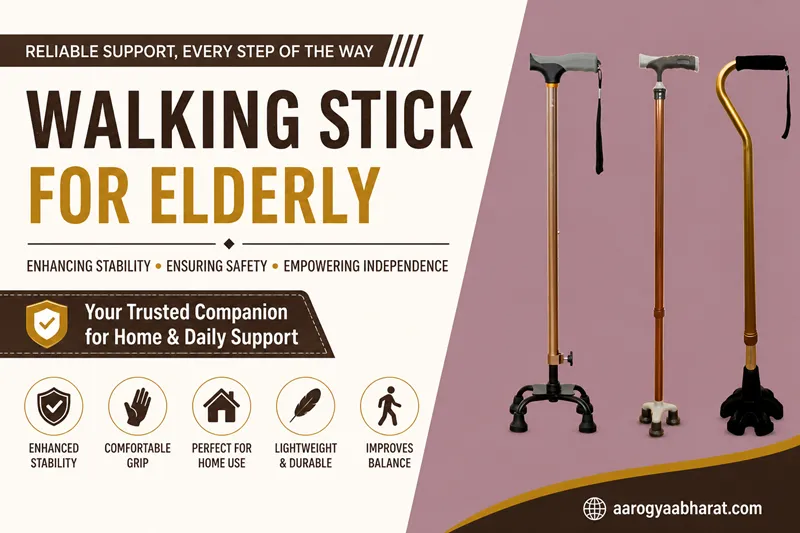
and standing difficult. Mobility support products such as walking sticks, quad
canes, walkers, rollators, and wheelchairs provide essential stability and
balance during movement. These products are designed to distribute body weight
evenly, reduce strain on joints, and prevent sudden loss of balance. In Indian
homes, where floor surfaces may be slippery and space may be limited, compact
and foldable mobility aids are especially valuable. When seniors feel confident
moving around their home without fear of falling, they remain physically
active, socially engaged, and emotionally positive, which significantly
improves overall quality of life.
Bathroom Safety Products That Prevent Everyday Accidents
Bathrooms are among the most dangerous spaces for elderly
individuals due to wet floors, awkward movements, and lack of proper support.
In many Indian homes, low toilet heights and squat-style toilets further
increase the risk of falls. Bathroom safety products such as commode chairs,
raised toilet seats, grab bars, shower chairs, and anti-slip mats are essential
for reducing these risks. These products eliminate the need for squatting or
excessive bending and provide stable hand support during transfers. Night-time
bathroom visits, which are particularly risky for seniors, become safer with
bedside commodes and proper lighting. Bathroom safety products not only prevent
injuries but also protect privacy and dignity, allowing seniors to manage
personal hygiene independently without embarrassment or discomfort.
Bed and Bedroom Support Products for Daily Comfort
The bed is where elderly individuals spend a significant
portion of their time, especially those recovering from illness or living with
limited mobility. Bed support products such as adjustable hospital beds,
semi-fowler beds, pressure-relief mattresses, bed rails, backrests, and wedge
pillows are designed to provide comfort while ensuring safe movement. These
products help seniors change positions easily, sit up without strain, and get
in and out of bed with reduced risk of falls. For bedridden seniors or those at
risk of pressure sores, the right mattress and positioning aids are critical
for long-term health. A well-supported bedroom environment not only improves
physical comfort but also promotes better sleep, breathing, and circulation,
which are essential for overall well-being.
Daily Living Aids That Restore Self-Reliance
As people age, simple tasks such as eating, dressing,
grooming, or reaching objects can become surprisingly difficult due to reduced
grip strength, tremors, joint pain, or limited flexibility. Daily Living Aids,
often referred to as ADL products, are designed to assist with these routine
activities. Items such as non-slip feeding cups, adaptive cutlery, plate
guards, button hooks, shoe horns, dressing sticks, and long-handled reaches
empower seniors to manage daily tasks independently. In the Indian context,
where elders value self-sufficiency and personal dignity, these small yet
impactful tools play a major role in maintaining confidence and emotional
health. By reducing reliance on caregivers for basic needs, daily living aids
support a more balanced and respectful care environment.
Health Monitoring Devices for Proactive Elderly Care
Chronic conditions such as diabetes, hypertension, heart
disease, and respiratory disorders are common among Indian seniors and require
regular monitoring. Health monitoring devices such as digital blood pressure
monitors, glucometers, pulse oximeters, thermometers, nebulizers, and oxygen
concentrators enable families to track health parameters at home. Regular
monitoring helps identify early warning signs, supports timely medical
intervention, and reduces unnecessary hospital visits. For seniors recovering
from illness or managing long-term conditions, home-based health devices
provide reassurance and continuity of care. These tools allow families to take
a proactive approach to elderly health rather than responding only during
emergencies.
Rehabilitation Products That Support Long-Term Strength
Rehabilitation is not limited to post-surgery recovery; it
is equally important for maintaining mobility and strength in older age.
Rehabilitation products such as pedal exercisers, resistance bands, hand
exercisers, balance trainers, and posture support devices encourage gentle,
regular movement. These products help improve circulation, joint flexibility,
muscle tone, and coordination when used consistently under professional
guidance. In Indian homes, compact rehabilitation equipment makes it easier for
seniors to continue therapy routines without frequent clinic visits.
Maintaining physical strength through rehabilitation products helps seniors
remain active, reduces dependency, and slows age-related physical decline.
Fall Prevention Products That Create a Safer Home
Preventing falls is one of the most important aspects of
elderly safety, as falls can lead to fractures, prolonged recovery, and
permanent loss of independence. Fall prevention products such as anti-slip
mats, non-skid footwear, night lamps, motion sensor lights, corner guards, and
clear walking paths reduce accident risk throughout the home. These products
improve visibility, stabilize movement, and minimize hazards in frequently used
areas. In Indian households, combining basic home modifications with fall
prevention products creates a protective environment that supports confident
movement and provides peace of mind to family members.
Key Senior Care Products for Safe and Independent Living
|
Product
Category |
Examples |
How They
Support Independence |
|
Mobility
Support |
Walkers,
canes, wheelchairs |
Enable safe
and confident movement |
|
Bathroom
Safety |
Commode
chairs, grab bars |
Prevent slips
and toileting accidents |
|
Bed Support |
Hospital
beds, bed rails |
Safe
transfers and comfort |
|
Daily Living
Aids |
Feeding cups,
reaches |
Independent
daily activities |
|
Health
Monitoring |
BP monitors,
glucometers |
Proactive
health management |
|
Rehabilitation |
Pedal
exercisers, bands |
Maintain
strength and mobility |
|
Fall
Prevention |
Anti-slip
mats, night lights |
Reduce
accident risk |
Choosing the Best Senior Care Products for Independence
Choosing the right senior care products requires careful
consideration of the elderly person’s physical condition, medical needs, and
home layout. Factors such as balance, strength, vision, chronic illnesses, and
daily routine should guide product selection. Indian homes often have space
constraints, making compact and foldable designs more practical. Quality and
stability should always be prioritized over low cost, as senior care products
are used daily and directly impact safety. Consulting doctors, physiotherapists,
or home care experts before purchasing advanced equipment ensures that products
match real needs and support long-term independence.
Common Elderly Challenges and Recommended Products
|
Elderly
Challenge |
Recommended
Products |
|
Fear of
falling |
Walker, grab
bars, anti-slip mats |
|
Limited
mobility |
Wheelchair,
bed rails |
|
Joint pain |
Raised toilet
seat, backrest |
|
Chronic
illness |
BP monitor,
glucometer |
|
Recovery
phase |
Rehabilitation
equipment |
|
Night-time
movement |
Motion
lights, bedside commode |
Emotional Impact of Safe and Independent Living
Safety-focused senior care products have a powerful
emotional impact on elderly individuals. When seniors feel secure moving around
their home and managing daily activities, their confidence and self-esteem
improve significantly. This emotional stability reduces anxiety, depression,
and feelings of being a burden on family members. Families also experience
reduced stress, knowing that their loved ones are safer even when alone. A
thoughtfully equipped home environment supports positive aging by balancing physical
protection with emotional reassurance.
Conclusion
The best senior care products are those that quietly support safe and independent living without making the home feel clinical or restrictive. In India’s evolving family structure, home-based elderly care supported by the right products offers a practical, respectful, and emotionally fulfilling solution. By investing in mobility aids, bathroom safety products, bed support items, health monitoring devices, rehabilitation tools, and fall prevention solutions, families can create a secure environment where seniors continue to live with dignity and confidence. Thoughtful selection of senior care products today leads to better health outcomes, reduced caregiver burden, and a higher quality of life for elderly loved ones.
Senior care products for home use are the foundation of safe, dignified, and
independent elderly living in India. As aging parents increasingly prefer
staying at home, families must carefully select products that reduce accident
risk, support daily activities, and adapt Indian homes to age-related needs.
This very detailed buying guide by Aarogyaa Bharat goes deeper into how to
choose senior care products, explains safety considerations room by room,
highlights common mistakes, and offers practical tips to build a truly
elder-friendly home environment.