Understanding Stability Challenges in Elderly Mobility
Stability is a critical factor in elderly mobility, as aging
often leads to reduced muscle strength, slower reflexes, and impaired balance,
all of which increase the risk of falls and injuries. Many seniors experience
instability due to conditions such as arthritis, neurological disorders, or
post-surgical recovery, which can make walking without support unsafe and
uncomfortable. Even minor imbalances can lead to serious consequences,
including fractures and long-term mobility limitations. This fear of falling
often discourages elderly individuals from staying active, leading to further
decline in physical health and independence. Walkers with wheels are
specifically designed to address these challenges by providing a stable base of
support while allowing smooth and controlled movement. Platforms like Aarogyaa
Bharat Hospital Pages emphasize the importance of stability-focused mobility
aids in improving safety and enhancing overall quality of life for seniors.
Why Walkers with Wheels Improve Stability and Balance
Walkers with wheels offer a unique combination of stability
and ease of movement, making them an ideal choice for elderly individuals with
balance issues. Unlike standard walkers that require lifting, wheeled walkers
allow users to move forward smoothly, reducing the physical effort required and
minimizing the risk of sudden imbalance. The presence of wheels ensures
continuous contact with the ground, which helps maintain stability during
movement. Additionally, these walkers are designed to distribute body weight
evenly, reducing pressure on joints and improving posture. Hand grips and
braking systems provide better control, allowing users to stop or stabilize
themselves when needed. Tools like Healthcare Calculator can help assess
individual mobility needs and determine the most suitable walker type for
improved stability.
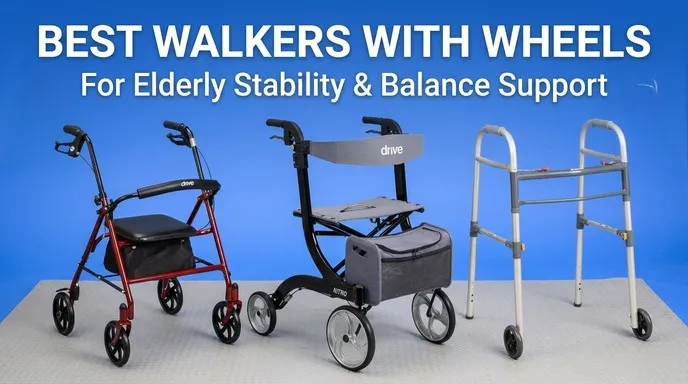
Types of Walkers with Wheels for Maximum Stability
There are several types of walkers with wheels designed to
provide varying levels of stability and support. Two-wheel walkers offer a
strong balance between stability and ease of movement, making them suitable for
individuals who require moderate support. Three-wheel walkers provide enhanced manoeuvrability
but slightly less stability, making them ideal for indoor use or less demanding
environments. Four-wheel rollator walkers offer smooth movement and additional
features such as seats and brakes, making them suitable for long-distance
walking and outdoor use. Heavy-duty walkers with larger wheels are designed for
rough surfaces, providing enhanced stability and durability. Availability of
these walker types can be explored through Aarogyaa Bharat City Pages, helping
users find suitable options in their local area.
Key Features to Look for in Walkers for Stability
When selecting a walker with wheels for stability, certain
features are essential to ensure safety and effectiveness. A sturdy frame is
crucial for providing reliable support and preventing wobbling during movement.
Large wheels enhance stability by offering better traction and smoother
movement across different surfaces. Adjustable height settings ensure proper
posture, reducing strain on joints and improving balance. Ergonomic handles
provide a secure grip, allowing users to maintain control while walking.
Reliable braking systems are important for stopping the walker safely,
especially on slopes or uneven surfaces. Additionally, walkers with wider bases
offer better stability, making them suitable for individuals with significant
balance issues.
Benefits of Using Walkers with Wheels for Stability
Walkers with wheels offer numerous benefits that
significantly improve stability and safety for elderly individuals. They
provide a stable base of support, reducing the risk of falls and enhancing
confidence during movement. The smooth movement enabled by wheels minimizes
physical effort, allowing users to walk more comfortably and for longer
durations. Walkers also help in distributing body weight evenly, reducing
pressure on joints and preventing discomfort. Improved posture and alignment
further enhance balance and reduce the likelihood of secondary issues such as
back pain. Additionally, the use of walkers encourages seniors to remain
active, contributing to better physical and mental health over time.
Comparison of Wheeled Walkers for Stability
|
Stability
Level |
Ease of
Use |
Best Use
Case |
Balance
Support |
|
|
Two-Wheel
Walker |
High |
Easy |
Moderate
balance issues |
Very Good |
|
Three-Wheel
Walker |
Medium |
Very Easy |
Indoor
mobility |
Good |
|
Four-Wheel
Rollator |
Medium |
Very Easy |
Long-distance
& outdoor use |
Excellent |
Tips for Maintaining Stability While Using Walkers
- Always
keep both hands on the walker for better control
- Adjust
the walker height to maintain proper posture
- Avoid
sudden movements or quick turns
- Use
brakes when stopping or resting
- Walk
on stable and even surfaces whenever possible
How Aarogyaa Bharat Supports Stability-Focused Mobility Solutions
Aarogyaa Bharat provides a comprehensive platform that
supports elderly individuals in achieving better stability and mobility through
reliable assistive devices. The platform offers a wide range of walkers with
wheels designed for enhanced balance and safety, along with detailed product
descriptions and comparisons. By integrating healthcare insights with product
availability, Aarogyaa Bharat ensures that users can make informed decisions
based on their specific needs. Tools like Healthcare Calculator help evaluate
mobility requirements, while Aarogyaa Bharat City Pages assist in locating
nearby suppliers and healthcare providers. This integrated approach simplifies
the process of choosing the right walker and enhances overall mobility support.
Common Mistakes to Avoid When Choosing Walkers for Stability
Many individuals make mistakes when selecting walkers for
stability, which can compromise safety and effectiveness. Choosing a walker
with small wheels may reduce traction and stability on uneven surfaces.
Ignoring the importance of a sturdy frame can lead to wobbling and reduced
support. Selecting a walker without reliable brakes can increase the risk of
accidents, especially on slopes. Additionally, choosing the wrong height can
affect posture and balance, leading to discomfort and instability. It is essential
to carefully evaluate all features and choose a walker that aligns with the
user’s mobility needs and stability requirements.
Advanced Innovations in Stability-Focused Walkers
The design of walkers with wheels is continuously evolving,
with new innovations aimed at improving stability and user experience. Future
walkers are expected to incorporate advanced materials that enhance durability
while reducing weight. Improved wheel designs and suspension systems will
provide better shock absorption, making movement smoother on various surfaces.
Smart features such as stability sensors and automatic braking systems may
enhance safety and functionality. Additionally, ergonomic designs will focus on
improving comfort and reducing strain during prolonged use. These advancements
will further enhance the effectiveness of walkers in supporting stability for
elderly individuals.
Conclusion
Walkers with wheels are an essential mobility solution for elderly individuals seeking improved stability and balance during daily activities. By providing a stable base of support, smooth movement, and enhanced safety features, these walkers enable seniors to move confidently and independently. Choosing the right walker with appropriate features is crucial for maximizing its benefits and ensuring long-term usability. Aarogyaa Bharat plays a vital role in guiding users through this process by offering reliable products, expert insights, and accessible healthcare resources. With the right walker, elderly individuals can achieve better stability, reduced risk of falls, and an improved quality of life.