Introduction
From cozy cafés to kitchen corners, black coffee is more than just a beverage—it's a ritual. But amidst the buzz and aroma, a health question lingers: Is black coffee good for your health, or is it just hype in a cup?
Let's sip into the truth behind your daily brew and whether this bold, bitter drink is a friend or foe for your body and mind.
What Exactly Is Black Coffee?
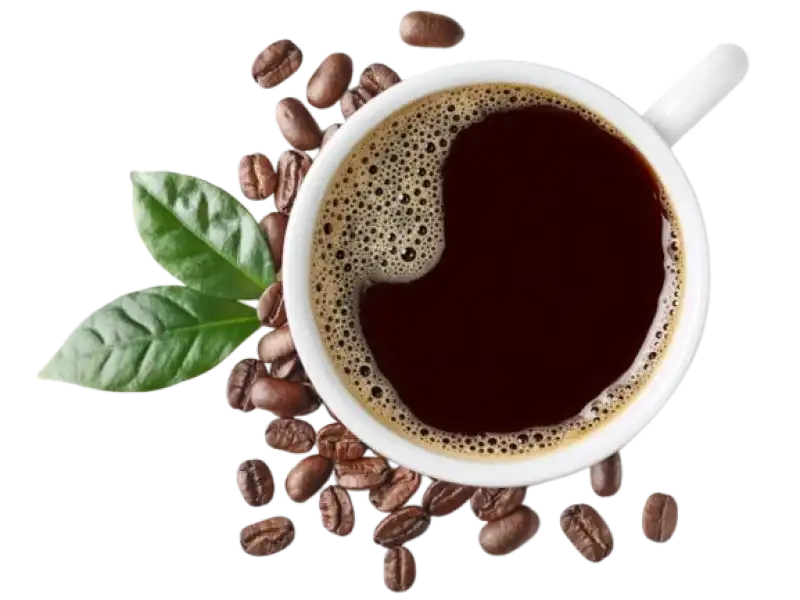
Black coffee is simply brewed coffee without any additives—no milk, no sugar, no cream. It's made by steeping ground coffee beans in hot water and is rich in antioxidants and caffeine.
Health Benefits of Black Coffee
- Rich in Antioxidants: Black coffee contains powerful antioxidants like chlorogenic acid, which can help neutralize free radicals and reduce inflammation.
- Boosts Brain Function: Caffeine stimulates the central nervous system, enhancing memory, focus, and cognitive performance. Regular, moderate intake may even reduce the risk of Alzheimer’s and Parkinson’s diseases.
- Improves Physical Performance: Black coffee increases adrenaline levels, improving endurance and performance during workouts. It's often used as a pre-workout drink.
- Supports Weight Loss: Drinking black coffee can temporarily boost metabolism and promote fat burning. Plus, it's low in calories—perfect for intermittent fasting!
- Reduces Risk of Chronic Diseases: Studies show that regular black coffee consumption may lower the risk of Type 2 diabetes, stroke, and liver diseases, including liver cancer and cirrhosis.
Possible Side Effects of Black Coffee
While it has many benefits, too much black coffee can have drawbacks:
- Insomnia & Restlessness: Overconsumption can interfere with your sleep cycle.
- Acidity & Digestive Issues: Drinking it on an empty stomach may irritate your digestive tract.
- Addiction & Withdrawal: Regular use can lead to dependence on caffeine.
- Increased Heart Rate: Sensitive individuals may feel jittery or anxious.
Moderation is key—stick to 1 to 3 cups per day to enjoy the perks without the problems.
Who Should Avoid Black Coffee?
- Pregnant women
- People with high blood pressure or heart conditions
- Those with digestive issues or ulcers
- Individuals with anxiety disorders
If in doubt, consult a healthcare provider before making black coffee a daily habit.
Best Time to Drink Black Coffee
- Morning (after breakfast): Boosts alertness without irritating an empty stomach.
- Pre-workout: Enhances stamina and fat-burning.
- Midday slump: A cup around 1-2 PM can re-energize you without affecting your sleep.
Avoid drinking it late evening or night, as it may disrupt your sleep quality.
FAQs
Q1: Can I drink black coffee during intermittent fasting?
Yes, black coffee has zero calories, so it won't break your fast.
Q2: Is black coffee better than milk coffee?
Health-wise, yes. It's lower in calories, sugar-free, and richer in antioxidants.
Q3: Can black coffee help with weight loss?
Yes, its caffeine content can boost metabolism and fat-burning—but pair it with diet and exercise.
Q4: Is it okay to drink black coffee on an empty stomach?
It's not recommended for everyone—it may cause acidity. Try having it after breakfast.
Q5: How can I reduce the bitterness of black coffee naturally?
Try cinnamon, cardamom, or a hint of vanilla—they add flavor without sugar.
Conclusion
Black coffee, when enjoyed mindfully, can be a powerful ally for your health. Packed with antioxidants and brain-boosting compounds, it’s more than just a wake-up drink—it’s a natural elixir that supports metabolism, focus, and heart health.
But as with all good things, moderation is key. So go ahead—pour yourself a warm cup, breathe in that earthy aroma, and toast to better health (just don’t overdo it!).
For more wellness tips, medical advice, and healthcare equipment to support your healthy lifestyle, visit Aarogyaa Bharat.