Introduction to BP Machines
Blood pressure machines, also known as blood pressure monitors or sphygmomanometers, are essential tools for monitoring cardiovascular health. With the rise of hypertension cases worldwide, having a reliable bp machine for home use has become increasingly important. These devices allow you to keep track of your blood pressure regularly, helping you and your healthcare provider make informed decisions about your health.
Types of Blood Pressure Machines
There are several types of blood pressure machines available in the market:
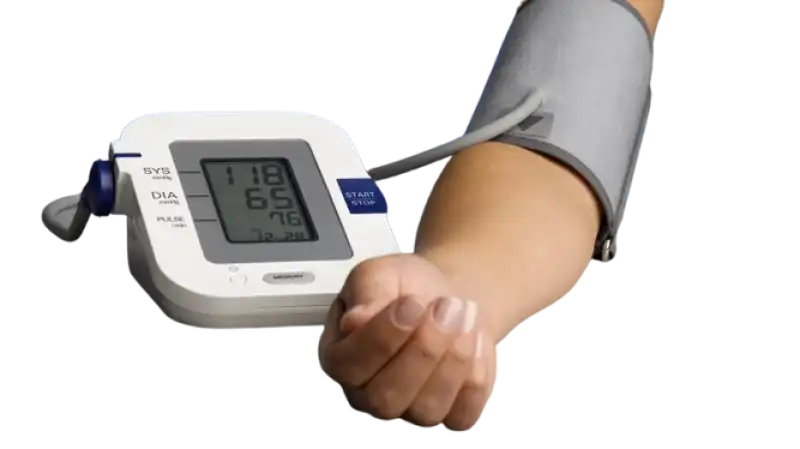
Digital Blood Pressure Machines: These are the most common and user-friendly options for home use. Digital bp machines automatically inflate the cuff and display the readings on a screen.
Manual Blood Pressure Machines: These traditional devices require a stethoscope and some skill to use. They're often preferred by healthcare professionals for their accuracy.
Wrist Blood Pressure Machines: These compact devices are easy to carry but may be less accurate than upper arm models.
Ambulatory Blood Pressure Monitoring Machines: These are worn throughout the day and night to provide a comprehensive picture of blood pressure fluctuations.
Features to Consider When Buying a BP Machine
When choosing a blood pressure machine for home use, consider the following features:
Accuracy: Look for devices that have been clinically validated.
Cuff Size: Ensure the cuff fits your arm correctly for accurate readings.
Memory Function: This allows you to store and track readings over time.
Multiple User Profiles: Useful if more than one person in the household needs to monitor their blood pressure.
Connectivity: Some modern devices can sync data with smartphones or computers.
Ease of Use: Choose a machine that's simple to operate, especially for older users.
Display: Opt for a large, easy-to-read display if you have vision issues.
Top Brands in the Market
Several reputable brands offer high-quality blood pressure machines:
Omron: Known for their accurate and reliable digital blood pressure machines.
Beurer: Offers a wide range of bp machines with innovative features.
Dr. Morepen: Popular in India for their affordable and user-friendly devices.
Citizen: Produces compact and portable blood pressure monitors.
A&D Medical: Known for their professional-grade blood pressure machines.
How to Use a Blood Pressure Machine Correctly
To get accurate readings from your bp machine:
Sit comfortably with your back supported and feet flat on the floor.
Rest for 5 minutes before taking a measurement.
Place the cuff directly on your bare upper arm, about an inch above the elbow.
Keep your arm supported at heart level.
Don't talk or move during the measurement.
Take two or three readings, a minute apart, and record the average.
Maintaining Your BP Machine
To ensure your blood pressure machine continues to provide accurate readings:
Calibrate your device annually or as recommended by the manufacturer.
Keep the machine clean and store it properly.
Replace batteries as needed.
Check for any signs of wear and tear on the cuff or tubing.
Understanding Your Blood Pressure Readings
Blood pressure readings consist of two numbers:
Systolic pressure (the top number): The pressure when your heart beats
Diastolic pressure (the bottom number): The pressure when your heart is at rest
Here's a general guide to blood pressure categories:
Normal: Less than 120/80 mm Hg
Elevated: 120-129/less than 80 mm Hg
Hypertension Stage 1: 130-139/80-89 mm Hg
Hypertension Stage 2: 140/90 mm Hg or higher
When to Consult a Doctor
While home monitoring is valuable, it's important to know when to seek medical advice:
If you consistently get high readings (140/90 mm Hg or above)
If you experience symptoms like severe headaches, chest pain, or shortness of breath
If your readings fluctuate significantly
If you're unsure about how to use your bp machine or interpret the results
Regular check-ups with your healthcare provider are essential, even if your home readings seem normal.
Conclusion
A reliable blood pressure machine is a valuable tool for managing your cardiovascular health at home. By choosing the right device, using it correctly, and understanding your readings, you can take an active role in monitoring your blood pressure. Remember, home measurements should complement, not replace, regular check-ups with your healthcare provider.
Remember to consult with your healthcare provider before starting any new health monitoring routine or making changes to your lifestyle based on blood pressure readings.