Safe Wheelchair Transfers: The MOST IMPORTANT Skill
Transfers are the highest risk moments.
Correct Transfer Steps
- Lock
wheelchair brakes
- Remove
footrests if possible
- Position
wheelchair at a slight angle
- Encourage
patient to push using arms
- Support
at waist not arms or shoulders
Common Transfer Mistakes
- Pulling by arms
- Forgetting to lock brakes
- Twisting patient’s body
These mistakes cause falls and joint injuries.
Protecting the Caregiver’s Back (Critical for Long-Term
Care)
Caregivers often develop:
- Back
pain
- Shoulder
strain
- Knee
injuries
Back-Safety Rules
- Bend
knees, not back
- Keep
patient close to your body
- Avoid
sudden lifts
- Ask
for help when needed
A healthy caregiver provides better care.
Pushing a Wheelchair Correctly
- Maintain
upright posture
- Push
smoothly, not forcefully
- Use
both hands
- Communicate
before moving
On Slopes & Ramps
- Go
forward uphill
- Go
backward downhill
- Move
slowly
- Keep
brakes ready
Daily Comfort Checks Caregivers Must Do
Comfort issues often go unnoticed.
Check daily:
- Sitting
posture
- Cushion
placement
- Armrest
comfort
- Foot
position
- Skin
redness
Early attention prevents pressure sores and pain.
Helping with Long Sitting Hours
For users sitting 6-10 hours/day:
- Encourage
position shifts every 30-60 minutes
- Slight
recline if available
- Check
cushion condition
Long sitting without relief leads to pressure ulcers.
Assisting with Toileting & Hygiene Respectfully
Caregivers should:
- Maintain
privacy
- Explain
actions before helping
- Use
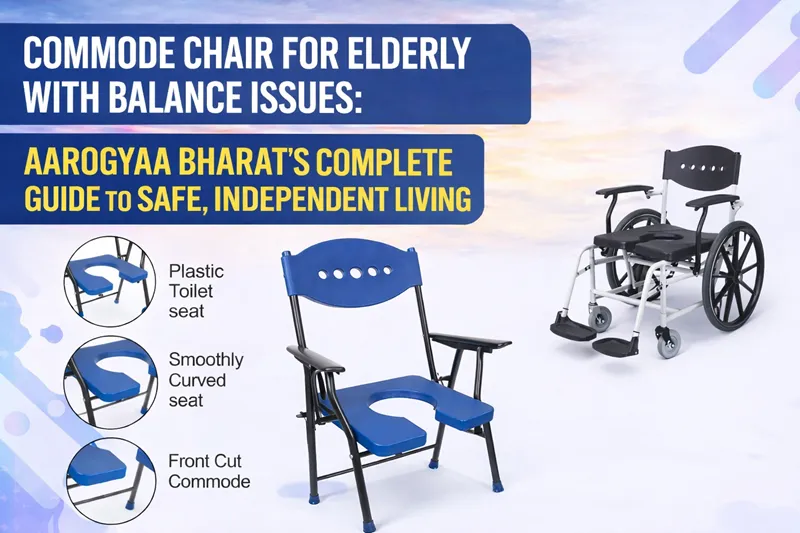
commode wheelchairs if needed
- Ensure
brakes are locked
Dignity is as important as hygiene.
Communication: The Most Underrated Care Skill
Always:
- Ask
before assisting
- Explain
movements
- Listen
to discomfort cues
Avoid:
- Rushing
- Ignoring pain signals
- Speaking over the patient
Respect builds confidence and cooperation.
Encouraging Independence (Without Risk)
Caregivers should:
- Allow
self-propelling if safe
- Encourage
small tasks
- Avoid
over-assistance
Independence improves:
- Mental
health
- Self-esteem
- Physical
strength
Handling Emergencies Calmly
Be prepared for:
- Wheelchair
tipping
- Sudden
dizziness
- Pain
flare-ups
Emergency response:
- Lock
brakes immediately
- Call
for help if unsure
- Do
not panic
Preparation reduces panic.
Equipment Familiarity Every Caregiver Needs
Caregivers must know:
- Brake
operation
- Footrest
adjustment
- Recline
controls
- Anti-tip
wheels
Spend time learning the wheelchair it’s part of caregiving.
1.Emotional Support Matters as Much as Physical Care
Wheelchair users may feel:
- Frustration
- Loss
of independence
- Anxiety
Caregivers should:
- Encourage
conversation
- Avoid
pity language
- Celebrate
small progress
Emotional care accelerates physical recovery.
2.Indian Home-Care Challenges & Solutions
Challenges:
- Narrow
spaces
- Uneven
floors
- Limited
ramps
Solutions:
- Compact
wheelchairs
- Foldable
models
- Rearranged
furniture
Adapt the home, not just the patient.
Aarogyaa Bharat: Supporting Caregivers & Families
Aarogyaa Bharat provides:
- Caregiver-friendly
wheelchairs
- Training
guidance
- Rental
& purchase flexibility
- Comfort
accessories
Because caregiving should feel supported not overwhelming.
Conclusion: Good Caregiving Preserves Dignity, Not
Dependence
Caregiving is not about doing everything it’s about doing
the right things, the right way.
A well-informed caregiver:
- Keeps
the patient safe
- Protects
their own health
- Encourages
independence
- Maintains
dignity
- Creates
a positive recovery environment
With proper techniques, awareness, and empathy, caregiving
becomes empowering for both the helper and the one being helped.