Understanding COPD and Pneumonia: Why Airway Clearance
Matters
Chronic Obstructive Pulmonary Disease (COPD) and pneumonia
both affect the lungs but in different ways. COPD causes long-term airway
inflammation and mucus production that restrict airflow, while pneumonia
involves infection and fluid accumulation that can weaken lung function. In
both conditions, mucus build up becomes a major obstacle to comfortable
breathing because it blocks airflow and increases the effort required to inhale
and exhale.
Airway clearance therapy is therefore a critical component
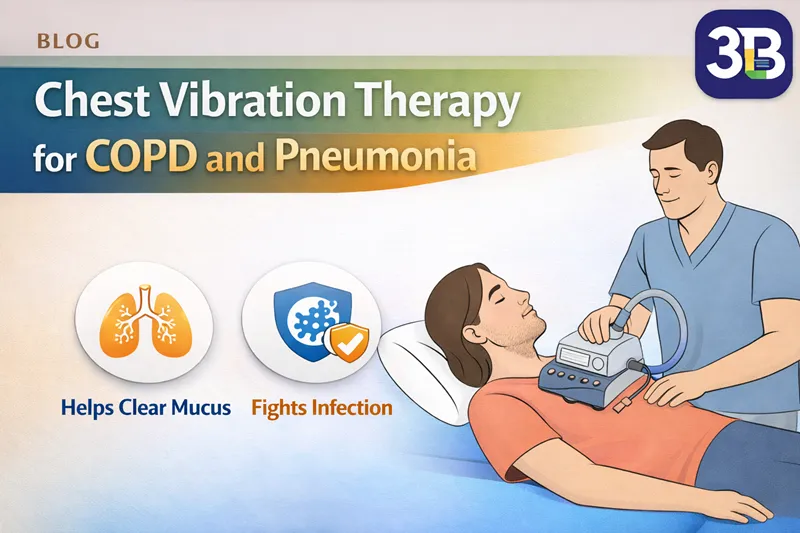
of respiratory management. Chest vibration therapy helps mobilize secretions by
gently shaking mucus loose from airway walls, allowing patients to clear it
more easily through coughing or assisted breathing exercises. Aarogyaa Bharat
emphasizes that improving mucus clearance does not replace medical treatment
but supports recovery by enhancing lung hygiene and reducing congestion.
How Chest Vibration Therapy Works in Respiratory
Rehabilitation
Chest vibration therapy uses mechanical oscillations to
create rhythmic waves that travel through the chest wall into the lungs. These
vibrations reduce the thickness of mucus and break up secretions, making them
easier to expel. The therapy mimics manual chest physiotherapy techniques but
delivers consistent intensity through a device rather than physical tapping. For
COPD patients, vibration therapy may help reduce the sensation of chest
heaviness by loosening mucus that restricts airflow. For pneumonia recovery,
gentle vibration can support gradual lung rehabilitation by encouraging natural
mucus clearance. Aarogyaa Bharat highlights that controlled vibration improves
airway hygiene without causing excessive fatigue or discomfort when used
according to professional guidance.
Clinical Benefits of Chest Vibration Therapy for COPD
COPD patients often experience chronic mucus production that
leads to breathlessness and persistent coughing. Chest vibration therapy
supports airway clearance by mobilizing secretions and promoting productive
coughing. Improved airflow may reduce the effort required for breathing,
helping patients conserve energy during daily activities. Another important
benefit is improved lung expansion. When mucus is cleared, air can move more
freely through the lungs, which may help maintain oxygen exchange efficiency.
Aarogyaa Bharat explains that regular therapy sessions can complement breathing
exercises and medication plans by maintaining airway cleanliness and reducing
congestion episodes.
Table: Chest Vibration Therapy Benefits for COPD vs
Pneumonia
|
Condition |
Therapy
Goal |
Key
Benefit |
Expected
Outcome |
|
COPD |
Mucus
mobilization |
Reduced
airway blockage |
Easier
breathing |
|
COPD |
Lung
expansion support |
Better
airflow |
Less fatigue |
|
Pneumonia
Recovery |
Gentle
secretion clearance |
Reduced chest
congestion |
Gradual lung
healing |
|
Pneumonia
Recovery |
Respiratory
comfort |
Improved
breathing posture |
Enhanced
recovery support |
Role of Chest Vibration Therapy in Pneumonia Recovery
During pneumonia recovery, patients often feel weak and
unable to clear mucus effectively. Chest vibration therapy can support gradual
lung rehabilitation by loosening secretions without excessive physical effort.
Gentle vibrations help prevent mucus from settling in lower lung segments,
which may contribute to prolonged coughing or discomfort.
Positioning plays an important role in pneumonia therapy
sessions. Patients may be seated upright or slightly reclined to allow
gravity-assisted drainage while maintaining comfort. Aarogyaa Bharat advises
that therapy intensity should remain gentle during early recovery stages to
avoid unnecessary strain.
Integrating Chest Vibration Therapy into Home Respiratory
Care
Home healthcare has transformed respiratory therapy by
enabling patients to continue treatment outside hospital environments. Chest
vibration machines allow caregivers to deliver consistent therapy sessions at
home, reducing the need for frequent hospital visits. For COPD and pneumonia
patients, combining vibration therapy with hydration, nebulization, and
breathing exercises creates a comprehensive care routine.
Caregivers should monitor patient comfort throughout therapy
sessions and adjust intensity gradually. Aarogyaa Bharat recommends scheduling
therapy during times when patients feel most relaxed, such as after
nebulization or before physiotherapy exercises.
Table: Suggested Therapy Practices for COPD and Pneumonia
Patients
|
Patient
Profile |
Recommended
Intensity |
Therapy
Duration |
Goal |
|
Mild COPD |
Low to
moderate |
Short
sessions |
Maintain
airway hygiene |
|
Severe COPD |
Gentle
vibration |
Frequent
intervals |
Reduce mucus
buildup |
|
Pneumonia
Recovery |
Very gentle |
Gradual
increase |
Support lung
healing |
|
Elderly
Patients |
Low intensity |
Supervised
sessions |
Comfortable
breathing |
Advantages Over Manual Chest Physiotherapy
Traditional chest physiotherapy involves manual percussion
techniques that require training and physical effort from caregivers. Chest
vibration machines provide consistent oscillation patterns that reduce
variability between sessions. This consistency may improve therapy
effectiveness and encourage regular use at home. Additionally, adjustable
settings allow therapy to be customized according to patient comfort, which is
particularly important for elderly individuals or those recovering from
infection. Aarogyaa Bharat highlights that mechanical therapy reduces caregiver
fatigue while maintaining reliable respiratory support.
Safety Guidelines for Chest Vibration Therapy
Safety is essential when using vibration therapy devices.
Patients with rib fractures, unstable cardiac conditions, or severe
osteoporosis should consult healthcare professionals before starting therapy.
Therapy should begin at the lowest intensity setting, gradually increasing only
if tolerated. Caregivers should avoid placing vibration pads over sensitive
areas or medical devices such as pacemakers. Aarogyaa Bharat encourages
continuous observation during sessions and recommends stopping therapy if
discomfort, dizziness, or unusual symptoms occur.
Emotional and Lifestyle Benefits of Improved Airway
Clearance
COPD and pneumonia recovery can be emotionally challenging
due to breathlessness and fatigue. Chest vibration therapy may help patients
feel more comfortable by reducing congestion and improving airflow. Easier
breathing often leads to better sleep quality and increased confidence during
daily activities. Aarogyaa Bharat believes that respiratory therapy tools not
only support physical recovery but also enhance emotional well-being by giving
patients a sense of control over their breathing health.
Maintenance and Hygiene Tips for Long-Term Use
Regular cleaning ensures safe device performance. Wipe
external surfaces with a soft cloth and mild disinfectant after each session,
and store the device in a dry environment. Inspect straps and vibration modules
periodically to maintain consistent therapy quality. Proper maintenance extends
device lifespan and ensures reliable respiratory support.
Conclusion
Chest vibration therapy offers a gentle and effective way to
support airway clearance in COPD and pneumonia recovery by loosening mucus and
improving breathing comfort. When integrated into a structured respiratory care
routine, it can enhance lung hygiene, reduce caregiver strain, and promote a
more comfortable recovery environment at home. By combining safe device usage
with professional medical guidance, families can create a supportive
respiratory care plan that improves both physical well-being and emotional
confidence. Aarogyaa Bharat encourages thoughtful adoption of respiratory
therapy tools to ensure patients receive consistent, dignified care throughout
their healing journey.