Understanding Chest Vibration Therapy in Modern
Respiratory Care
Respiratory therapy has evolved significantly with the
introduction of non-invasive devices that support airway clearance without
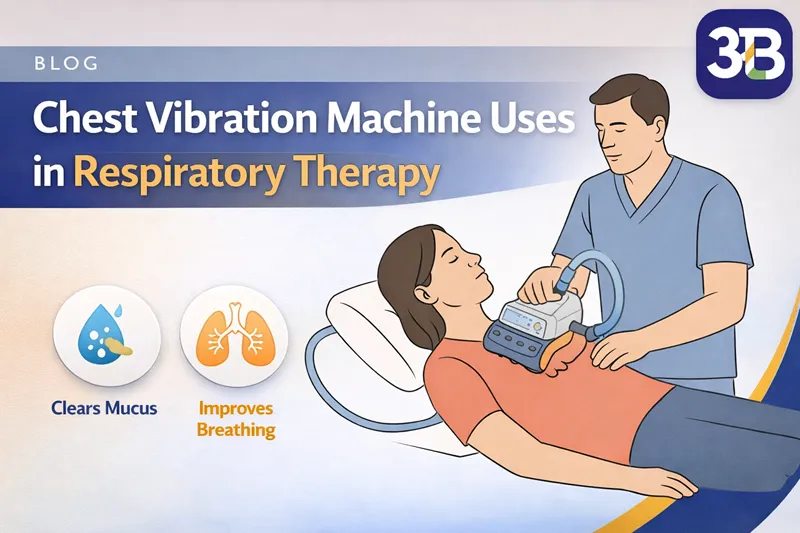
complex medical procedures. Chest vibration machines are designed to simulate
manual chest physiotherapy techniques by producing rhythmic vibrations that
travel through the chest wall and loosen mucus from airway surfaces. This
technology is particularly valuable for patients who struggle to clear
secretions naturally due to weakened cough reflex, chronic lung disease, or prolonged
bed rest.
In traditional clinical settings, physiotherapists perform
chest percussion manually, but home healthcare now allows families to use
vibration devices safely under professional guidance. Aarogyaa Bharat
highlights that these machines play an important role in improving breathing
efficiency by helping patients clear airway blockages, reduce congestion, and
maintain healthier lung function over time.
How Chest Vibration Machines Work
Chest vibration devices operate using motorized mechanisms
that generate controlled oscillations across the chest area. These vibrations
create gentle mechanical waves that loosen mucus from bronchial walls, making
it easier for patients to cough out secretions or clear airways naturally.
Unlike invasive suction procedures, vibration therapy works externally,
reducing discomfort while promoting effective airway clearance.
The frequency and intensity of vibrations can usually be
adjusted according to patient comfort and medical recommendation. Lower
frequencies are often used for elderly or sensitive patients, while higher
intensities may support individuals with thicker mucus build up. Aarogyaa Bharat
explains that consistent therapy sessions may help maintain airway hygiene,
especially in individuals prone to recurrent respiratory infections.
Clinical Benefits of Chest Vibration Machines in
Respiratory Therapy
Chest vibration therapy offers several therapeutic
advantages when integrated into respiratory care routines. One of the primary
benefits is improved mucus mobilization, which helps reduce airway obstruction
and enhance airflow. Patients with chronic bronchitis, COPD, or post-viral
respiratory weakness often find breathing easier when mucus build up decreases.
Another important benefit is reduced dependency on manual
chest physiotherapy, which can be physically demanding for caregivers.
Mechanical vibration allows consistent therapy sessions without requiring
advanced clinical skills, making home care more accessible. Aarogyaa Bharat
emphasizes that improved airway clearance may also reduce the risk of
complications associated with prolonged mucus retention, such as secondary
infections or persistent coughing.
Table: Therapeutic Benefits of Chest Vibration Machines
|
Therapy
Benefit |
How It
Helps |
Patient
Advantage |
Caregiver
Impact |
|
Mucus
Mobilization |
Loosens
airway secretions |
Easier
breathing |
Reduced
manual effort |
|
Lung
Expansion Support |
Improves
airflow |
Better oxygen
exchange |
Consistent
therapy routine |
|
Airway
Clearance |
Promotes
productive coughing |
Reduced
congestion |
Simplified
care process |
|
Comfort
Therapy |
Gentle
non-invasive approach |
Less
discomfort |
Safe home use |
Conditions Where Chest Vibration Therapy Is Commonly Used
Chest vibration machines are often recommended for
individuals experiencing difficulty clearing mucus due to chronic respiratory
conditions. Patients with COPD, bronchiectasis, asthma with mucus buildup, or
post-infection lung weakness may benefit from vibration therapy under medical
supervision. Elderly patients who remain bedridden for long periods may also
require airway clearance support because reduced mobility can lead to secretion
accumulation.
In rehabilitation settings, chest vibration therapy may
complement breathing exercises and nebulization, forming a comprehensive
respiratory care routine. Aarogyaa Bharat notes that device usage should always
align with medical advice to ensure therapy remains safe and effective.
Integrating Chest Vibration Therapy into Home Healthcare
Home respiratory therapy focuses on maintaining comfort
while supporting lung function outside hospital environments. Chest vibration
machines are particularly valuable for home ICU setups where regular airway
clearance is essential but professional physiotherapy may not be available
daily. These devices allow caregivers to deliver structured therapy sessions
while monitoring patient comfort.
Proper positioning during therapy plays an important role.
Patients may be seated upright or slightly reclined depending on medical
guidance. Aarogyaa Bharat recommends combining vibration therapy with hydration
and breathing exercises to maximize benefits and maintain respiratory health.
Table: Chest Vibration Machine Use Cases in Home Care
|
Patient
Type |
Therapy
Goal |
Recommended
Position |
Expected
Outcome |
|
COPD Patients |
Mucus
clearance |
Semi-upright |
Improved
breathing comfort |
|
Post-Infection
Recovery |
Lung
rehabilitation |
Reclined
posture |
Reduced
congestion |
|
Elderly
Bedridden Patients |
Airway
hygiene |
Supported
sitting |
Easier
secretion removal |
|
Neurological
Conditions |
Assisted
breathing support |
Upright
position |
Better
airflow stability |
Advantages Over Manual Chest Physiotherapy
Manual chest physiotherapy requires trained caregivers to
perform rhythmic tapping techniques, which may be physically tiring and
inconsistent over time. Chest vibration machines provide uniform oscillation
patterns that ensure consistent therapy intensity. This consistency may improve
treatment effectiveness while reducing caregiver fatigue.
Additionally, vibration devices often include adjustable
settings that allow therapy to be customized according to patient tolerance.
Aarogyaa Bharat explains that the predictability of mechanical therapy makes it
easier to integrate into daily care routines.
Safety Guidelines for Using Chest Vibration Machines
While chest vibration therapy is generally safe, certain
precautions should always be followed. Patients with rib fractures, severe
osteoporosis, or unstable cardiac conditions should consult healthcare
professionals before using vibration devices. Therapy sessions should begin
with low intensity to allow the body to adapt gradually.
Caregivers should observe patient comfort throughout the
session and stop therapy if discomfort occurs. Aarogyaa Bharat emphasizes the
importance of using medically approved devices and avoiding excessive vibration
levels that may cause fatigue.
Psychological and Lifestyle Benefits of Improved
Breathing
Breathing comfort influences both physical and emotional
well-being. Patients who experience reduced congestion often feel more relaxed
and confident during daily activities. Improved airflow may also support better
sleep quality, reducing night time coughing and restlessness. Chest vibration
therapy can help patients feel more in control of their respiratory health,
especially when combined with other home care practices. Aarogyaa Bharat
believes that empowering patients with effective respiratory tools contributes
to overall quality of life during recovery.
Maintenance and Hygiene Practices
Conclusion
Chest vibration machines have become valuable tools in
modern respiratory therapy, offering a gentle and effective method for airway
clearance and lung support. By loosening mucus, improving airflow, and reducing
caregiver strain, these devices enhance both clinical care and patient comfort
in home healthcare environments. When used responsibly and combined with
professional guidance, chest vibration therapy can contribute to better
respiratory hygiene, improved breathing efficiency, and a more comfortable recovery
journey. Aarogyaa Bharat encourages families to integrate safe respiratory
devices thoughtfully, ensuring patients receive consistent support while
maintaining dignity and independence at home.