Introduction: Sleep Smart Without Spending Big
A good mattress can completely change how you sleep, feel, and function every day. Yet for many people, choosing the right mattress becomes stressful because of budget limitations. With rising living costs, it’s natural to look for affordable options that don’t compromise comfort or health. Two of the most popular budget-friendly choices today are air mattresses and foam mattresses.
Both serve very different needs, lifestyles, and sleep preferences. Some people swear by the flexibility of air mattresses, while others prefer the steady support of foam. This guide takes a deep dive into both options so you can make a smart, long-term decision—without overspending or sacrificing sleep quality.
Why Choosing the Right Mattress Is So Important
A mattress is not just a place to sleep; it directly affects your physical and mental well-being. An unsuitable mattress can lead to back pain, neck stiffness, restless nights, and chronic fatigue. Over time, poor sleep quality can impact immunity, productivity, and mood.
The right mattress supports:
• Proper spinal alignment, reducing back and joint pain
• Deep, uninterrupted sleep, which improves focus and energy
• Overall health, including muscle recovery and posture
• Financial efficiency, by avoiding frequent replacements
That’s why understanding what you’re paying for is just as important as comfort.
Air Mattresses: Flexible, Portable, and Budget-Friendly
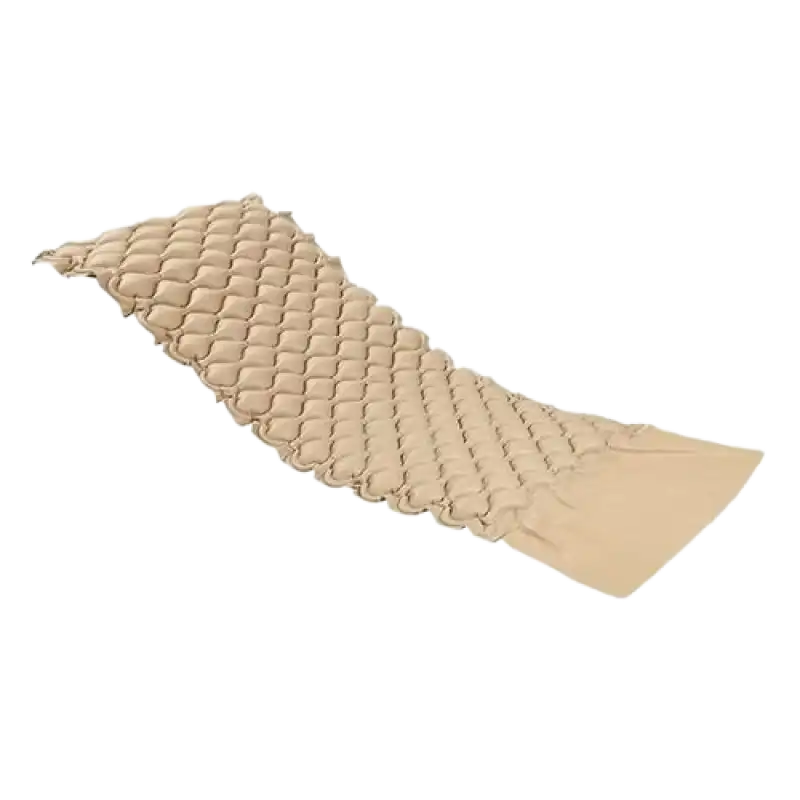
Air mattresses have come a long way from being just camping gear or guest-bed solutions. Modern air mattresses are designed with durability, comfort, and adjustability in mind, making them a practical option for many households.
One of the biggest advantages of air mattresses is adjustable firmness. Users can inflate or deflate the mattress to match their comfort level, which is especially useful for people with changing needs such as back pain flare-ups or shared sleeping preferences.
They are also lightweight and portable, making them ideal for:
• Students living in hostels or PGs
• People who move frequently
• Guest rooms or temporary setups
• Travel, camping, or emergency use
From a cost perspective, air mattresses are often significantly cheaper than traditional mattresses, making them appealing for short-term or occasional use.
However, air mattresses do come with limitations. They are more prone to punctures or slow air leaks, especially if used daily. Changes in room temperature can also affect firmness cold air can make the mattress feel softer overnight. While many modern models are reinforced for durability, they usually don’t last as long as foam mattresses when used continuously.
Foam Mattresses: Consistent Comfort and Long-Term Support
Foam mattresses are widely known for their ability to contour to the body and provide uniform support. Whether memory foam or high-density foam, these mattresses distribute body weight evenly, reducing pressure on sensitive areas like the shoulders, hips, and lower back.
One of the standout benefits of foam mattresses is pressure relief. They adapt to your body shape, which helps minimize tossing and turning. This makes them particularly suitable for people with:
• Back or joint pain
• Sleep disorders
• Recovery needs after injury or surgery
Foam mattresses also offer excellent motion isolation, meaning movement on one side of the bed doesn’t disturb the other—ideal for couples.
In terms of durability, foam mattresses are a long-term investment. A good-quality foam mattress can last several years without losing its shape or support, making it cost-effective over time despite a higher initial price.
That said, foam mattresses may not be ideal for everyone. They tend to retain heat, which can feel uncomfortable in warm climates unless cooling technology is included. They are also heavier and less portable compared to air mattresses.
Air Mattress vs Foam Mattress: Which One Suits You?
The choice between an air mattress and a foam mattress depends largely on how and where you plan to use it.
If your lifestyle involves frequent relocation, limited space, or temporary sleeping arrangements, an air mattress offers flexibility and affordability. It’s easy to store, easy to move, and easy on the wallet.
If you’re looking for everyday comfort, long-term spinal support, and consistent sleep quality, a foam mattress is the better option. While the upfront cost is higher, the durability and health benefits often justify the expense.
From a budget standpoint:
• Short-term use → Air mattress is more economical
• Long-term daily use → Foam mattress offers better value
Maintenance and Longevity Considerations
Air mattresses require careful handling to avoid punctures and regular checks to maintain air pressure. Foam mattresses need minimal maintenance just proper support and occasional rotation.
Storage also matters. Air mattresses can be packed away easily, while foam mattresses require dedicated space and a proper bed frame for best performance.
Conclusion: Affordable Sleep Starts With the Right Choice
Choosing between an air mattress and a foam mattress doesn’t have to be overwhelming. Both options serve different needs, budgets, and lifestyles. The key is understanding how long you’ll use the mattress, your comfort preferences, and your health requirements.
Air mattresses shine in flexibility and affordability, while foam mattresses excel in comfort, support, and longevity. Neither is inherently better the right choice is the one that aligns with your daily life and sleep goals.
A restful night doesn’t always require a luxury budget just an informed decision. When you choose wisely, you’re not just saving money you’re investing in better sleep, better health, and better days ahead.