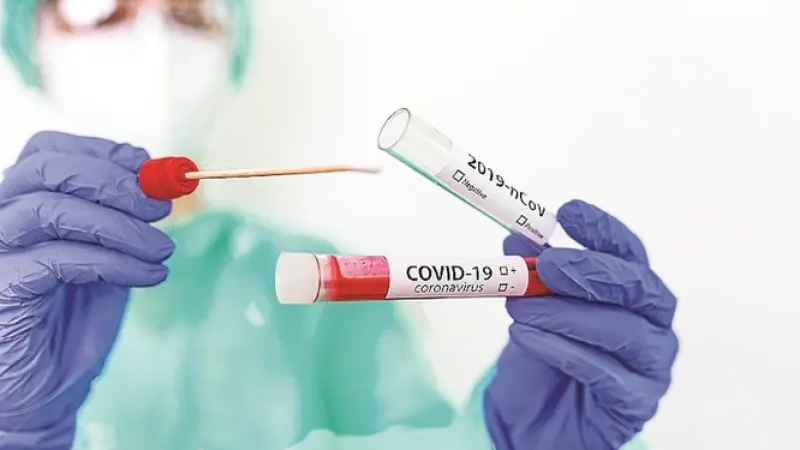
1. What Exactly Is COVID?
When I mention “COVID”, I’m talking about the illness caused by the coronavirus, specifically SARS‑CoV‑2. You might see search terms like “covid 19 meaning”—the “19” simply marks the year it first showed up: 2019.
This virus launched the global COVID‑19 pandemic, upending lives and pushing us to rethink health, travel, and community care.
2. How It All Happened: The Coronavirus Pandemic Timeline
What started as a cluster of cases in December 2019 quickly became a coronavirus pandemic. Headlines screamed “covid 19 update”, national lockdowns followed, and health trackers like Worldometer coronavirus became part of daily life.
Every wave—Alpha, Delta, Omicron—came with fresh challenges. Remember the frantic keyword surge during the “covid wave”? It showed how closely people were following coronavirus updates and coronavirus stats.
3. Covid Terms Decoded (But Not Boring)
Let’s break down some jargon:
4. Getting Vaccinated: CoWIN & More
Need the vaccine? India’s cowin gov portal—search “www cowin gov in” or “https cowin gov in cowin”—lets you:
Register and schedule appointments for your first or next dose
Download your vaccination certificate under your name: vaccinated
Get reminders for boosters
Even if your family member is immunocompromised, priority is on the CoWIN system to ensure they’re protected.
5. Checking the Numbers: Did I Just Type “COVID Stats”?
Truth: I have. Whenever a fresh wave appears—or some scary news about “low body temp and covid” hits—I open "covid 19 stats", "covid 19 worldomer" or "world corona meter". These provide live updates—case counts, recoveries, vaccinations—helping us understand “corona update” or “covid now” trends in our region.
6. Covid Apps Beyond CoWIN
You might hear about a covid application on your phone—many states or private clinics have apps that send test results (like RTPCR near me), track symptoms, or notify you if you've been near someone who tested positive. Pairing these with the CoWIN system strengthens your overall awareness.
7. Why It Still Matters (Yes, Even Today)
Even though things feel “normal”:
New variants may emerge
Some folks remain immunocompromised
And “covid pandemic” may be down, but covid virus hasn't fully disappeared
That’s why staying updated—checking stats, keeping boosters current (via CoWIN), and being mindful—keeps us safe, helps those with weak immune systems, and lets communities live with confidence.
Frequently Asked Questions
Q: Why check “www covid 19” or stats repeatedly?
A: It helps track spikes in your area, so you can adjust your precautions like masks or avoiding crowds.
Q: My mom is immunocompromised—what extra steps should we take?
A: Ensure she’s fully vaccinated with recommended doses, encourage minimal exposure to crowds, and use her CoWINvaccination certificate as proof in medical visits.
Q: Can asymptomatic people still spread COVID?
A: Yes. Even without symptoms, they can transmit the virus, which is why masks and testing remain important in high-risk zones.
Q: Is SARS‑CoV‑2 still active?
A: Yes—though vaccines and natural immunity have helped reduce severe illness and death. Staying updated is still essential.
Conclusion
COVID isn’t just a word—it shaped our world. From covid pandemic to cowin gov registrations, immunocompromised concerns to asymptomatic spread—it’s all part of our collective journey. Staying informed about COVID stats, getting vaccinated, and using apps wisely helps us all breathe easier—literally.