Why Daily Walking Is Important for Elderly Health
Daily walking plays a critical role in maintaining physical
health, joint flexibility, and cardiovascular strength in elderly individuals.
Doctors and physiotherapists across hospital rehabilitation departments
frequently recommend walking as a low-impact exercise that improves
circulation, muscle strength, and overall balance. However, as aging
progresses, conditions such as arthritis, osteoporosis, muscle weakness, and
post-surgical recovery make walking difficult without proper support equipment.
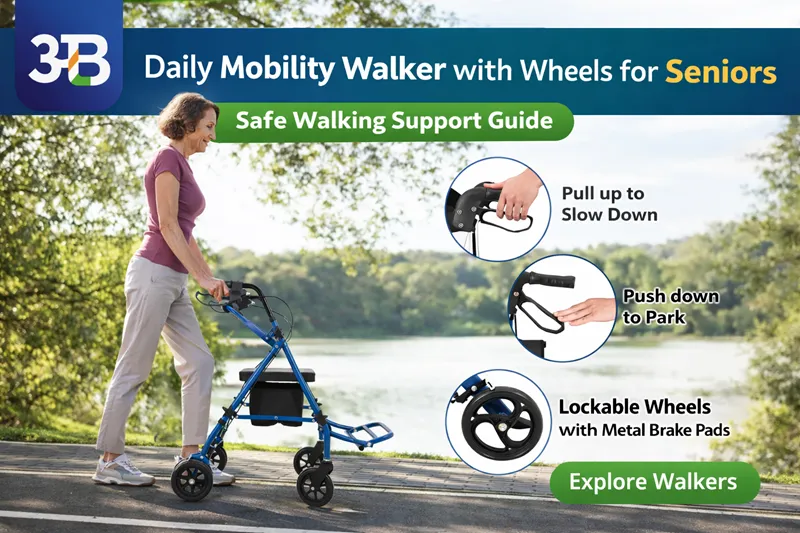
Walkers with wheels allow seniors to move forward smoothly while maintaining
stability and preventing sudden falls. Unlike traditional walking sticks,
wheeled walkers distribute body weight across a broader support base, reducing
strain on knees and hips. Many physiotherapy programs listed on hospital
pages at Aarogyaa Bharat include mobility walker usage as part of
structured rehabilitation routines for stroke recovery, knee replacement
therapy, and neurological rehabilitation. By incorporating a walker into daily
walking habits, seniors can safely maintain their mobility while reducing fall
risks.
How Walkers with Wheels Improve Daily Mobility
Wheeled walkers are specially designed mobility aids that
help elderly individuals move safely without constantly lifting the device. The
front wheels glide forward while the rear legs provide braking resistance and
stability. This design makes them ideal for daily walking exercises inside
homes, residential complexes, parks, and hospital rehabilitation corridors. The
ergonomic handles allow seniors to maintain an upright posture, which reduces
pressure on the spine and improves breathing efficiency during walking. Many
seniors struggle with fatigue after short walking sessions, but wheeled walkers
allow smoother motion and reduced energy expenditure. Doctors often recommend
walkers during post-surgery recovery phases, especially after hip replacement
or knee surgery, where balance support is essential. On Aarogyaa Bharat
healthcare calculator pages, physiotherapy recovery timelines often include
mobility aids as part of structured rehabilitation plans. The integration of
walkers into daily routines helps seniors regain independence while gradually
rebuilding muscle strength.
Key Features to Look for in a Daily Use Walker with
Wheels
Selecting the correct walker for daily walking requires
evaluating several essential features that ensure comfort, durability, and
safety. Lightweight aluminium frames are preferred because they provide strong
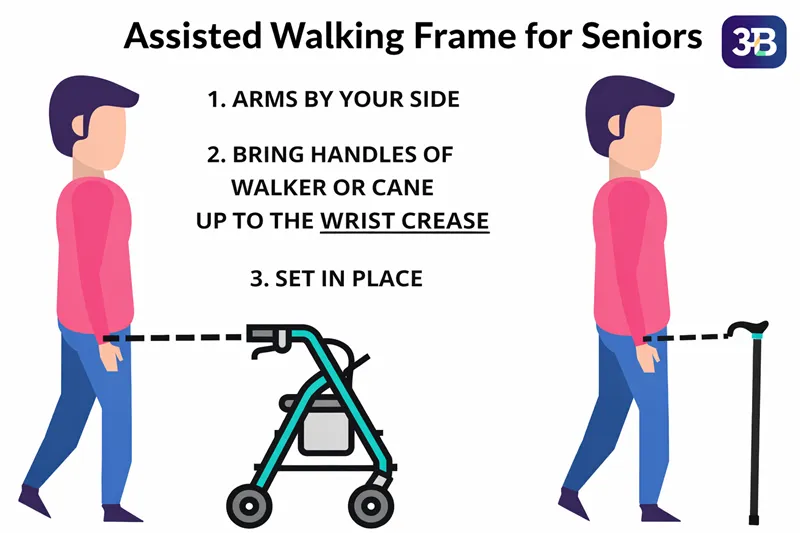
structural support without making the walker difficult to move. Adjustable
height handles allow the walker to be customized according to the user’s
height, ensuring proper posture while walking. Rubberized grips reduce hand
fatigue and improve control during long walks. Non-slip rubber tips on rear legs
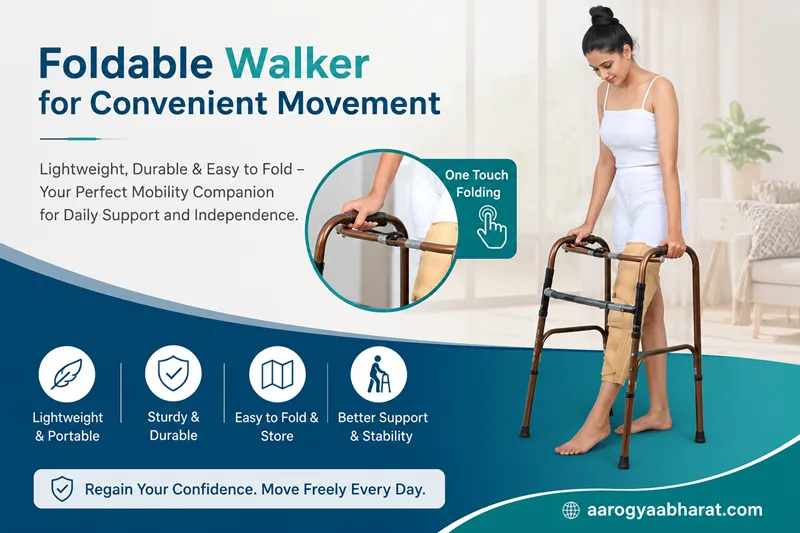
provide additional friction and prevent sudden slips on smooth floors. Foldable
walker designs are also important for easy storage and transportation when
seniors travel to hospital appointments or physiotherapy sessions. Many
rehabilitation specialists featured on Aarogyaa Bharat hospital pages
recommend walkers with wheels for patients recovering from fractures,
neurological disorders, or mobility-related injuries. By selecting the correct
walker configuration, elderly users can safely perform daily walking exercises
without placing unnecessary strain on their joints.
Comparison of Traditional Walker vs Wheeled Walker
|
Feature |
Traditional
Walker |
Walker
with Wheels |
|
Movement
Style |
Must be
lifted repeatedly |
Smooth
rolling movement |
|
Effort
Required |
Higher
physical effort |
Lower effort
required |
|
Balance
Support |
Stable but
slower |
Stable with
forward glide |
|
Ideal Usage |
Post-surgery
indoor walking |
Daily
mobility & exercise |
|
Elderly
Comfort |
Moderate |
High comfort |
This comparison highlights why wheeled walkers are becoming
increasingly popular for seniors who want to maintain active lifestyles without
experiencing excessive fatigue.
Benefits of Using a Walker for Daily Walking
• Improves balance and prevents accidental falls
• Reduces pressure on knees, hips, and joints
• Encourages daily physical activity for seniors
• Supports physiotherapy recovery programs
• Helps elderly individuals maintain independence
• Reduces fatigue during long walking sessions
• Allows smoother movement on indoor flooring
These benefits explain why many physiotherapy centers and
rehabilitation hospitals recommend mobility walkers for elderly patients.
Walker Usage in Physiotherapy and Rehabilitation Programs
Physiotherapists often integrate walker-assisted walking
routines into rehabilitation programs for patients recovering from injuries or
surgeries. Walking with controlled support helps patients gradually regain
muscle strength and coordination without risking instability. During
rehabilitation sessions, walkers provide a structured way to rebuild walking
confidence after long periods of bed rest or immobilization. Hospital
physiotherapy departments listed on Aarogyaa Bharat city pages such as Pune,
Mumbai, Delhi, and Bangalore frequently prescribe wheeled walkers as part
of orthopaedic and neurological recovery programs. Stroke rehabilitation
patients, for example, often require walking assistance while regaining muscle
control and balance. Using a walker during these sessions allows therapists to
guide patients through progressive walking exercises while maintaining safety.
Mobility equipment plays a critical role in reducing fall risks during early
stages of rehabilitation.
Using Healthcare Calculators to Track Mobility Recovery
Recovery from injuries or surgeries often involves
structured progress tracking. Tools like Aarogyaa Bharat healthcare
calculators help families estimate rehabilitation timelines, physiotherapy
costs, and recovery milestones. When combined with mobility aids such as
walkers, these calculators help patients understand how consistent physical
activity contributes to faster recovery outcomes. For example, knee replacement
recovery calculators often estimate walking ability improvements based on
physiotherapy schedules and mobility support tools. Using walkers during
recovery phases helps patients gradually increase walking distance and
endurance. By integrating these tools with hospital consultations and
rehabilitation planning, seniors can follow safer and more structured recovery
paths.
Where to Buy Reliable Walkers in India
Choosing a reliable walker is essential for ensuring safety
and long-term durability. Medical-grade walkers are usually recommended by
hospitals, physiotherapy clinics, and orthopedic specialists. Many families
prefer purchasing walkers from trusted medical equipment providers who
specialize in rehabilitation aids. Aarogyaa Bharat provides hospital-grade
walkers designed for elderly safety, rehabilitation support, and long-term
mobility assistance. These walkers are carefully selected based on
durability, ergonomic comfort, and clinical recommendations from healthcare
professionals. With availability across major city pages such as Pune,
Delhi, Mumbai, Bangalore, and Hyderabad, Aarogyaa Bharat ensures that
seniors across India can access high-quality mobility equipment easily.
Conclusion
Daily walking plays an essential role in maintaining health, independence, and overall well-being for elderly individuals. However, walking safely requires proper balance support, especially for seniors experiencing joint pain, muscle weakness, or post-surgery recovery. Walkers with wheels provide a reliable mobility solution that reduces physical effort while improving walking stability. By supporting smooth forward movement and reducing strain on joints, wheeled walkers allow seniors to stay active without risking falls or fatigue. Combined with physiotherapy programs, hospital consultations, and recovery tracking through healthcare calculators, walkers become a powerful tool for maintaining long-term mobility. Aarogyaa Bharat continues to support elderly healthcare needs by providing reliable mobility equipment, hospital information resources, and healthcare calculators that help families make informed decisions for senior care.