Families exploring hospital pages and home care resources
often discover that walking sticks are recommended for seniors who can walk
independently but need additional support for safe movement. Aarogyaa Bharat’s
rehabilitation section highlights walking sticks as an important mobility aid
for seniors who want to maintain active lifestyles while reducing the risk of
falls. Healthcare calculators that evaluate mobility levels and fall risk also
frequently recommend walking sticks for individuals with moderate balance
challenges who still maintain good walking strength. When selected correctly
and used properly, a walking stick becomes an everyday support device that
helps elderly individuals move safely at home, during outdoor walks, and while
visiting healthcare facilities across different cities pages.
Understanding the Purpose of a Walking Stick for Elderly
Mobility
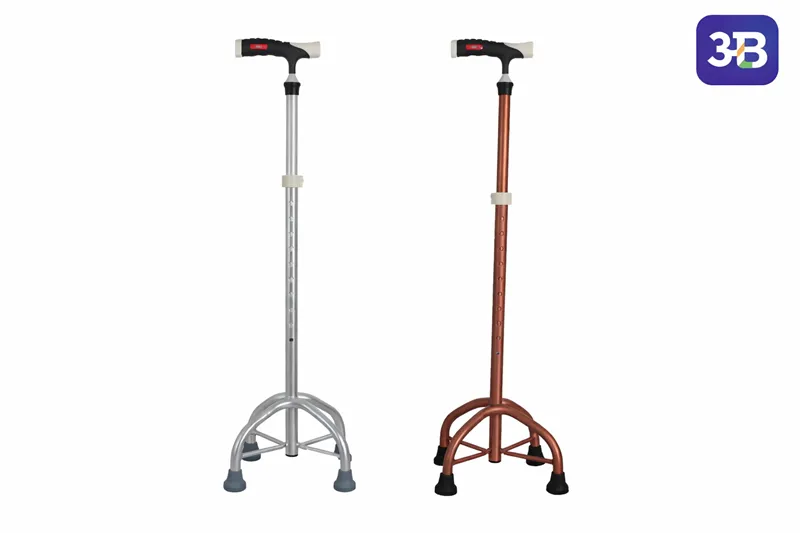
A walking stick, also known as a mobility cane, is a
lightweight support device designed to improve balance and stability during
walking. It is typically used by seniors who experience mild mobility
challenges but do not require the stronger support provided by walkers or
rollators. The primary function of a walking stick is to redistribute body
weight slightly and provide a third point of contact with the ground, which
helps reduce pressure on joints and improves walking confidence. Many
physiotherapists listed on hospital pages recommend walking sticks for elderly
individuals dealing with conditions such as arthritis, knee pain, mild muscle
weakness, or early-stage balance problems. Aarogyaa Bharat’s home care mobility
guides emphasize that walking sticks are particularly useful for seniors who
wish to remain active and mobile without relying on bulky equipment. Healthcare
calculators designed to evaluate fall risk often suggest walking sticks as an
early intervention tool that helps prevent accidents while allowing seniors to
maintain natural walking movement.
Why Walking Sticks Are Ideal for Everyday Elderly Use
One of the biggest advantages of walking sticks is their
simplicity and convenience. Unlike larger mobility aids, walking sticks are
lightweight, portable, and easy to carry anywhere. Seniors can use them while
walking inside the house, visiting nearby shops, attending medical
appointments, or traveling between healthcare facilities listed on hospital
pages. Aarogyaa Bharat’s home care equipment recommendations highlight walking
sticks as ideal daily mobility aids because they require minimal storage space and
can be used comfortably in both indoor and outdoor environments. Elderly
individuals living in apartments or small homes often prefer walking sticks
because they do not occupy space and can be placed beside chairs, beds, or
doorways when not in use. Healthcare calculators used for mobility assessments
often indicate that seniors who maintain moderate walking ability benefit
greatly from walking sticks because they improve balance without restricting
natural movement.
Important Features of Walking Sticks for Elderly Support
Modern walking sticks are designed with several features
that enhance comfort, stability, and usability. Adjustable height is one of the
most important features because it allows the stick to be customized according
to the user’s height and walking posture. Ergonomic handles provide comfortable
grip support for seniors who rely on the stick for extended periods during
daily walks. Many walking sticks also include anti-slip rubber tips that
improve traction on different surfaces such as tiles, pavements, and hospital
corridors. Aarogyaa Bharat’s rehabilitation section often recommends walking
sticks with lightweight aluminium frames because they provide durability
without adding unnecessary weight. Some models also include foldable designs
that make them easy to transport during travel across cities pages. When
families consult hospital pages or healthcare calculators for elderly mobility
planning, walking sticks with these design features are frequently recommended
for improving everyday walking safety.
Typical Features of Walking Sticks for Seniors
|
Feature |
Description |
|
Frame
Material |
Lightweight aluminium
or carbon fibre |
|
Handle Design |
Ergonomic
grip for comfort |
|
Height
Adjustment |
Adjustable
for different user heights |
|
Base Tip |
Anti-slip
rubber tip for stability |
|
Weight |
Lightweight
and easy to carry |
|
Foldable
Option |
Some models
fold for travel convenience |
Situations Where Walking Sticks Are Most Useful
Walking sticks are most beneficial for elderly individuals
who maintain independent mobility but experience occasional balance challenges.
Seniors recovering from minor injuries or early-stage arthritis often use
walking sticks during daily movement to reduce strain on joints.
Physiotherapists listed on hospital pages frequently recommend walking sticks
as part of rehabilitation programs aimed at improving walking confidence.
Elderly individuals who enjoy outdoor walks, park visits, or neighbourhood
shopping often rely on walking sticks for additional stability. Aarogyaa
Bharat’s home care mobility guides emphasize that walking sticks are
particularly helpful for seniors who wish to remain active while managing mild
mobility limitations. Healthcare calculators designed to measure fall risk and
mobility stability often recommend walking sticks as an early mobility aid that
prevents accidents and encourages safe movement.
Benefits of Using Walking Sticks for Daily Mobility
- Improve
walking balance and stability
- Reduce
pressure on knees and joints
- Encourage
independent movement for seniors
- Lightweight
and easy to carry anywhere
- Suitable
for both indoor and outdoor walking
- Require
minimal storage space at home
- Recommended
during early mobility challenges
- Helpful
during physiotherapy recovery programs
Walking Stick vs Walker for Elderly Mobility
Mobility aids differ depending on the level of support
required by the user. Walking sticks provide light balance assistance and are
best suited for seniors who can walk independently but require occasional
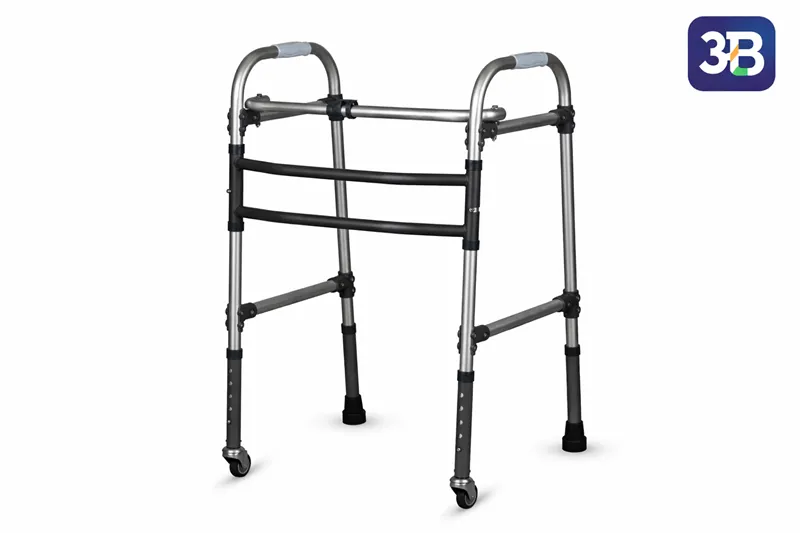
support. Walkers, on the other hand, provide stronger structural support and
are typically recommended for individuals with more significant balance issues.
Patients consulting hospital pages often begin using walkers during early
recovery stages after surgery and may later transition to walking sticks once
their balance improves. Aarogyaa Bharat’s rehabilitation section highlights
that walking sticks are ideal for seniors who wish to maintain natural walking
movement without relying on larger mobility equipment. Healthcare calculators
used to evaluate mobility progression often indicate that walking sticks are
appropriate for individuals with mild mobility limitations.
Walking Stick vs Walker Comparison
|
Feature |
Walking
Stick |
Walker |
|
Support Level |
Light balance
support |
Strong
stability support |
|
Portability |
Very
lightweight and portable |
Larger and
less portable |
|
Storage |
Easy to store
anywhere |
Requires more
space |
|
Best For |
Mild mobility
challenges |
Significant
balance issues |
|
Movement
Style |
Natural
walking support |
Structured
walking assistance |
Choosing the Right Walking Stick for Elderly Daily Use
Selecting the correct walking stick requires evaluating
several important factors including user height, grip comfort, and stability
requirements. Seniors who experience mild knee or hip discomfort may benefit
from walking sticks with ergonomic handles that reduce wrist strain.
Individuals living in different cities pages may also consider environmental
factors such as uneven sidewalks or outdoor pathways when selecting walking
sticks with strong anti-slip tips. Aarogyaa Bharat recommends reviewing product
specifications carefully and consulting healthcare professionals listed on
hospital pages before purchasing mobility equipment. Healthcare calculators
designed to evaluate fall risk and mobility limitations can also help determine
whether a walking stick or a stronger mobility aid is more appropriate for the
user’s condition. By selecting the right walking stick, seniors can improve
walking confidence while maintaining independence during everyday activities.
Role of Walking Sticks in Rehabilitation and Recovery
Rehabilitation programs often include mobility aids that
support safe walking while patients regain strength and balance. Walking sticks
are commonly introduced during later stages of rehabilitation when patients
have recovered enough strength to walk independently but still benefit from
additional balance support. Physiotherapists listed on hospital pages often
recommend walking sticks for patients recovering from joint surgeries or muscle
injuries once they transition away from walkers. Aarogyaa Bharat’s rehabilitation
equipment guides explain that walking sticks allow patients to continue
practicing safe walking movements without relying heavily on mobility devices.
Healthcare calculators used to track rehabilitation progress often measure
walking stability and mobility improvement over time. Because walking sticks
provide minimal but effective support, they play an important role in helping
patients transition from assisted walking to independent movement.
Conclusion
Walking sticks remain one of the most practical and accessible mobility aids for elderly individuals who require light balance support during daily activities. Their lightweight design, portability, and ease of use make them ideal for seniors who wish to maintain independence while reducing the risk of falls. Unlike larger mobility devices, walking sticks allow natural walking movement while providing the stability needed for safe mobility. Aarogyaa Bharat’s home care and rehabilitation sections emphasize the importance of selecting the right mobility aid based on individual health conditions and lifestyle needs. By consulting hospital pages, exploring cities pages, and using healthcare calculators to assess mobility requirements, families can choose walking sticks that support safe and confident movement for elderly individuals. With the proper walking stick and correct usage, seniors can continue enjoying active lifestyles while maintaining safety and independence.