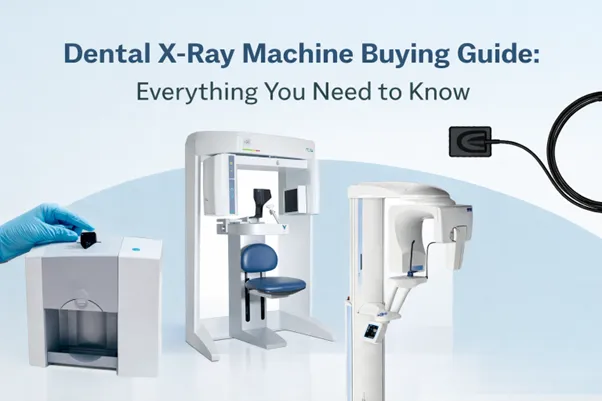
With rapid advancements in dental imaging technology, buyers
today face a wide range of options intraoral vs extraoral systems, analogue vs
digital, portable vs wall-mounted units, and multiple sensor technologies.
Choosing the right dental X-ray machine is not just a purchasing decision; it
directly impacts diagnostic accuracy, patient safety, workflow efficiency, and
clinic profitability.
At Aarogyaa Bharat, we help dental professionals make
informed, future-ready equipment decisions. This comprehensive guide covers
everything you need to know before buying a dental X-ray machine, including
types, working principles, key features, safety standards, regulatory
requirements, cost factors, installation needs, and FAQs.
What Is a Dental X-Ray Machine?
A dental X-ray machine is a medical imaging device that uses
low-dose ionizing radiation to capture images of teeth, jawbone, and
surrounding oral structures. These images help dentists diagnose conditions
that are otherwise invisible during a routine oral examination.
Dental X-ray machines are used to:
- Detect
cavities between teeth
- Identify
bone loss due to gum disease
- Diagnose
infections and abscesses
- Locate
impacted or unerupted teeth
- Plan
root canal treatments, implants, and orthodontics
dental x-ray machine
Why Dental X-Ray Machines Are Essential in Dentistry
Visual inspection alone cannot reveal:
- Early-stage
decay
- Root
infections
- Bone
density changes
- Hidden
fractures
Dental X-rays provide early diagnosis, which leads to:
- Better
treatment outcomes
- Reduced
patient pain
- Lower
treatment costs
- Preventive
care instead of emergency interventions
For any modern dental clinic, a dental X-ray machine is not
optional it is essential.
dental imaging equipment
Dental X-Ray Imaging in a Clinic
How Does a Dental X-Ray Machine Work?
Dental X-ray machines operate on a simple scientific
principle:
- X-ray
tube emits controlled radiation
- X-rays
pass through oral tissues
- Dense
structures (teeth, bone) absorb more radiation
- Softer
tissues allow X-rays to pass through
- Image
is captured on film or digital sensor
The result is a high-contrast diagnostic image that reveals
structural differences.
how dental x-ray works
Types of Dental X-Ray Machines
Understanding types is the first and most important step
before buying.
1. Intraoral Dental X-Ray Machines
These are the most commonly used dental X-ray systems.
Common Intraoral X-Rays
- Bitewing
X-ray - detects cavities between teeth
- Periapical
X-ray - shows full tooth and root
- Occlusal
X-ray - captures larger jaw areas
Best for: Routine diagnosis, small clinics
intraoral dental x-ray machine
2. Extraoral Dental X-Ray Machines
These machines capture images from outside the mouth.
Types
- Panoramic
X-ray (OPG)
- Cephalometric
X-ray
- CBCT
(Cone Beam CT)
Best for: Orthodontics, implants, oral surgery
extraoral dental x-ray machine
3. Analog vs Digital Dental X-Ray Machines
|
Feature |
Analog |
Digital |
|
Image Medium |
Film |
Sensor |
|
Radiation
Dose |
Higher |
Lower |
|
Image Speed |
Slow |
Instant |
|
Storage |
Physical |
Digital |
|
Cost
(Initial) |
Lower |
Higher |
Digital dental X-ray machines are now the industry standard
due to safety and efficiency.
Digital Dental X-Ray System
Key Components of a Dental X-Ray Machine
Understanding components helps buyers assess quality.
- X-ray
tube head
- Control
panel
- Extension
arm
- Digital
sensor or film holder
- Image
processing software
Each component affects image clarity, durability, and
radiation safety.
Radiation Safety: A Critical Buying Factor
Dental X-ray machines use low radiation, but safety
remains crucial.
Safety Features to Look For
- Adjustable
exposure settings
- Lead
shielding compatibility
- Collimation
control
- Compliance
with radiation norms
Modern machines are designed to keep radiation well within
permissible limits.
dental x-ray radiation safety
Regulatory & Certification Requirements
Before purchasing, ensure compliance with:
- AERB
(India)
- IEC
60601 electrical safety
- ISO
certification (manufacturer)
- Local
health authority approvals
Using uncertified equipment can lead to legal penalties and
clinic shutdowns.
dental x-ray machine approval
Dental X-Ray Safety & Compliance
How to Choose the Right Dental X-Ray Machine
When buying, consider the following carefully:
1. Type of Dental Practice
- General
dentistry
- Orthodontics
- Implantology
- Oral
surgery
2. Patient Volume
- High-volume
clinics need faster digital systems
3. Space Availability
- Wall-mounted
vs portable units
4. Image Quality Requirements
- Basic
diagnosis vs advanced treatment planning
5. Budget & ROI
- Initial
cost vs long-term savings
buy dental x-ray machine
Installation & Infrastructure Requirements
- Stable
power supply
- Radiation
shielding
- Proper
mounting
- Software
integration with clinic systems
Poor installation can affect image quality and safety.
Maintenance & Service Considerations
- Annual
calibration
- Sensor
care
- Software
updates
- AMC
availability
Reliable after-sales service is as important as the machine
itself.
dental x-ray machine maintenance
Cost of Dental X-Ray Machines
Prices vary depending on:
- Type
(intraoral, panoramic, CBCT)
- Analog
vs digital
- Brand
& country of origin
- Software
features
Always evaluate total cost of ownership, not just purchase
price.
Common Mistakes to Avoid When Buying
Choosing based only on price
Ignoring regulatory approvals
Underestimating clinic growth
Buying without service support
Not training staff
Future Trends in Dental X-Ray Technology
- AI-assisted
diagnostics
- Lower
radiation doses
- Cloud-based
image storage
- Integration
with dental practice software
Dental imaging is becoming smarter and more predictive.
Conclusion
Buying the right dental X-ray machine is a strategic
investment for any dental clinic. The right choice improves diagnostic
accuracy, enhances patient trust, ensures safety compliance, and supports
long-term practice growth.
At Aarogyaa Bharat, we recommend selecting certified,
digital, future-ready dental X-ray machines that align with your clinical needs
today and tomorrow.