



Understanding the Risk of Blood Clots in Bedridden
Patients
Bedridden patients face a significantly higher risk of
developing blood clots because prolonged immobility slows down venous blood
flow in the legs, allowing blood to pool and increasing the chances of deep
vein thrombosis, and conditions such as stroke recovery, spinal injuries, major
surgeries, chronic illness, or advanced age can limit movement to the extent
that natural muscle contractions no longer assist circulation, which is why
medical professionals often recommend DVT compression pumps as a preventive
solution that provides continuous circulation support even when the patient is
resting or unable to perform active exercises.
What Is a DVT Compression Pump and How It Works
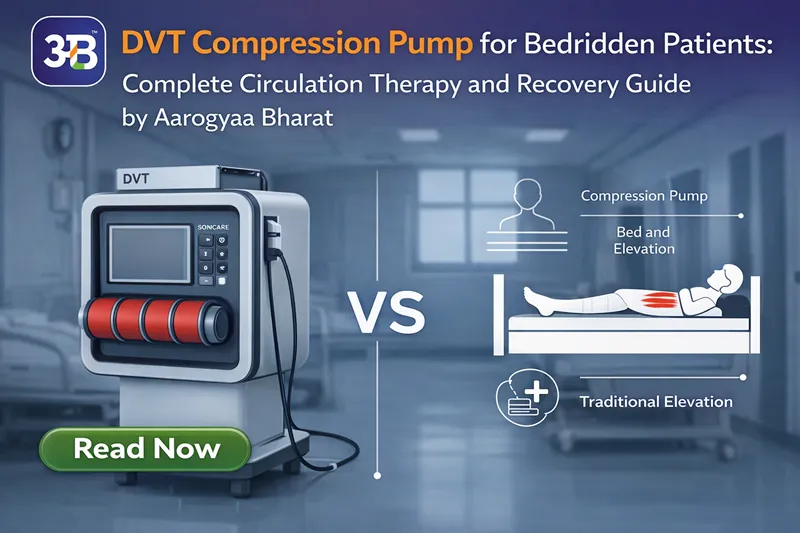
A DVT compression pump is a pneumatic medical device that
uses air pressure cycles to inflate and deflate compression sleeves wrapped
around the legs, creating a gentle squeezing motion that pushes blood upward
toward the heart, and this rhythmic compression mimics the natural muscle
movements that occur during walking, helping prevent blood stagnation while
also promoting lymphatic drainage, which reduces swelling and discomfort,
making it especially effective for patients confined to bed for extended periods
who require consistent circulation therapy without physical exertion.
Why DVT Compression Pumps Are Essential for Bedridden
Patient Care
For bedridden individuals, maintaining circulation is one of
the most critical aspects of preventing complications such as clot formation,
fluid retention, and tissue damage, and DVT compression pumps provide a
controlled and non-invasive way to keep blood flowing efficiently while
reducing strain on caregivers who may otherwise need to perform frequent manual
leg exercises, allowing patients to receive continuous therapeutic benefits
that support healing and improve overall comfort during recovery.
Key Benefits of Using a DVT Compression Pump for
Bedridden Patients
The primary benefit of a DVT compression pump is improved
venous return, which helps prevent clot formation and enhances oxygen delivery
to tissues, but beyond circulation improvement these devices also help reduce
swelling, relieve discomfort caused by fluid buildup, and promote faster
recovery by maintaining healthy blood flow patterns, and many patients
experience improved relaxation and reduced stiffness when using compression
therapy regularly, making it an essential addition to long-term home healthcare
routines.
Table: Medical Uses of DVT Compression Pumps for
Bedridden Patients
|
Use Case |
Purpose |
Patient
Benefit |
|
Prevent blood
clots |
Faster
healing |
|
|
Stroke
Rehabilitation |
Improve
circulation |
Reduced
swelling |
|
Maintain
venous flow |
Increased
safety |
|
|
Prevent
stagnation |
Better
comfort |
|
|
Chronic
Illness Management |
Support
circulation |
Improved
mobility support |
How DVT Compression Pumps Support Faster Recovery During
Bed Rest
During prolonged bed rest, the absence of muscle movement
slows circulation significantly, and DVT compression pumps compensate by
creating sequential pressure waves that encourage blood flow through the veins,
helping reduce the risk of complications while supporting tissue oxygenation
and reducing fatigue, and regular use of compression therapy can also help
maintain muscle health indirectly by preventing stiffness and promoting gentle
stimulation of the lower limbs, which contributes to smoother rehabilitation
once mobility improves
Step-by-Step Guide to Using a DVT Compression Pump at
Home
To use a DVT compression pump safely at home, begin by
placing the device on a stable surface near the patient’s bed and ensuring that
tubing is free from bends or blockages, then wrap the compression sleeves
evenly around the patient’s legs without wrinkles, adjusting the fit so that it
is snug but not overly tight, and once the machine is powered on the
compression cycles should begin gradually according to medical guidance,
allowing the patient to remain relaxed while caregivers monitor comfort levels
and check for any signs of irritation or discomfort during therapy.
Table: Safe Usage Practices for Bedridden Patients Using
DVT Compression Pumps
|
Safe
Practice |
Why It
Matters |
|
Use correct
sleeve size |
Ensures even
compression |
|
Follow
doctor’s pressure settings |
Prevents
discomfort |
|
Check skin
condition regularly |
Avoids
irritation |
|
Keep sleeves
clean |
Maintains
hygiene |
|
Monitor
patient comfort |
Ensures
effective therapy |
Psychological and Comfort Benefits for Long-Term
Bedridden Patients
Beyond physical health benefits, DVT compression pumps
provide emotional reassurance because patients and caregivers know that
circulation therapy continues even when movement is limited, reducing anxiety
associated with blood clot risks and promoting a sense of security during
recovery, while the gentle rhythmic compression often creates a calming
sensation that can improve relaxation, reduce restlessness, and contribute to
better sleep quality, which is essential for healing and overall well-being.
Maintenance and Hygiene Tips for DVT Compression Pumps at
Home
Regular cleaning and maintenance are essential for safe
long-term use because compression sleeves should be wiped with mild
disinfectants after each session, tubing should be inspected for wear or
blockages, and the main device should be kept dry and dust-free to maintain
consistent performance, while storing the equipment properly when not in use
helps extend its lifespan and ensures reliable operation during ongoing
rehabilitation.
Aarogyaa Bharat - Supporting Bedridden Patient Care with
Trusted DVT Compression Pumps
Aarogyaa Bharat provides high-quality medical equipment
designed to support safe and effective home healthcare, offering reliable DVT
compression pumps that help prevent blood clots, reduce swelling, and enhance
comfort for bedridden patients, enabling families to create professional-level
recovery environments at home with devices that prioritize durability, ease of
use, and patient safety.
Safety Precautions and When to Seek Medical Advice
Although DVT compression pumps are generally safe, patients
should stop using the device and consult a healthcare professional if they
experience severe pain, numbness, unusual swelling, or skin discoloration
during therapy sessions, because early evaluation ensures that compression
therapy remains beneficial and prevents complications related to improper use
or underlying medical conditions.
Conclusion
DVT compression pumps are an essential part of modern home
healthcare for bedridden patients because they provide consistent circulation
therapy that helps prevent blood clots, reduce swelling, and support faster
recovery during long-term bed rest, and by following proper usage guidelines,
maintaining equipment hygiene, and monitoring patient comfort, caregivers can
ensure safe and effective therapy that improves quality of life and promotes
healthier recovery with the trusted support of Aarogyaa Bharat.





