Understanding Deep Vein Thrombosis and the Need for Blood
Clot Prevention
Deep Vein Thrombosis occurs when blood clots develop in deep
veins, typically in the legs, due to reduced movement, surgery, injury, or
certain medical conditions that slow down circulation, and when blood flow
becomes stagnant it increases the risk of serious complications including
swelling, pain, and in severe cases pulmonary embolism, which is why preventive
care becomes extremely important during recovery periods, and DVT pump machines
play a vital role by providing intermittent compression that mimics the natural
muscle contractions of walking, helping blood move efficiently through the
veins and preventing clot formation without requiring active physical movement
from the patient.
What Is a DVT Pump Machine and How It Works for Clot
Prevention
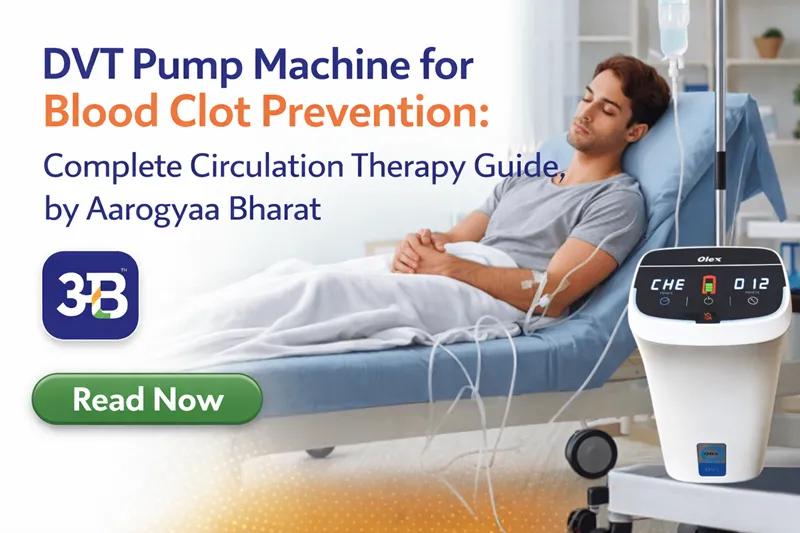
A DVT pump machine uses pneumatic compression technology
where inflatable cuffs or sleeves wrap around the legs or feet and inflate in
cycles, applying gentle pressure that stimulates blood flow toward the heart,
and this rhythmic compression prevents blood from pooling in the lower limbs
while also supporting lymphatic drainage, which reduces swelling and discomfort
caused by fluid retention, making it a highly effective preventive solution for
patients who cannot walk frequently due to surgery, neurological conditions, or
prolonged hospitalization, as the machine provides consistent therapy even
while the patient is resting.
Medical Uses of DVT Pump Machines in Hospitals and Home
Care
DVT pump machines are commonly used after orthopaedic
surgeries such as knee replacement, hip surgery, and spinal procedures because
these treatments often require extended bed rest that increases clot risk, and
they are also recommended for ICU patients, elderly individuals with limited
mobility, stroke survivors, and people suffering from chronic venous
insufficiency, as the gentle compression therapy helps maintain circulation
levels similar to light physical activity, allowing patients to receive preventive
care continuously without physical strain.
Benefits of Using a DVT Pump Machine for Blood Clot
Prevention
One of the most important benefits of a DVT pump machine is
its ability to maintain consistent blood flow, which reduces the risk of clot
formation while improving oxygen delivery to tissues and supporting faster
healing, and regular use also helps reduce swelling, improve comfort during
recovery, and minimize complications associated with immobility, making these
devices an essential part of modern preventive healthcare for both short-term
rehabilitation and long-term home-care management.
Table: Key Uses of DVT Pump Machines for Blood Clot
Prevention
|
Use Case |
Medical
Purpose |
Patient
Benefit |
|
Prevent clot
formation |
Faster
healing |
|
|
ICU &
Bedridden Care |
Improve
venous return |
Reduced
swelling |
|
Stroke
Rehabilitation |
Maintain
circulation |
Supports
recovery |
|
Elderly
Mobility Support |
Prevent blood
stagnation |
Increased
safety |
|
Chronic
Venous Conditions |
Reduce leg
discomfort |
Improved
circulation |
How DVT Pump Machines Support Faster Recovery After
Surgery
After surgery, patients often remain inactive for extended
periods, which slows blood circulation and increases clot risk, and DVT pump
machines help counteract this by creating controlled pressure waves that push
blood upward through the veins, reducing the workload on the cardiovascular
system while promoting tissue oxygenation and faster healing, and consistent
compression therapy can also reduce post-operative swelling and discomfort,
allowing patients to feel more comfortable during recovery and encouraging
gradual movement as strength returns.
DVT Pump Machines for Home Healthcare with Aarogyaa
Bharat
With the growing demand for home healthcare in India, DVT
pump machines have become an important tool for patients recovering outside
hospital environments because they allow continuous circulation therapy without
the need for constant supervision, and Aarogyaa Bharat offers reliable medical
devices designed for safe and effective home use, helping families manage
recovery with professional-grade equipment that ensures comfort, durability,
and ease of operation while reducing the risk of complications associated with
prolonged immobility.
Table: DVT Pump Machine vs Traditional Movement Therapy
|
Feature |
DVT Pump
Machine |
Manual
Exercise |
|
Consistency |
Continuous
compression cycles |
Depends on
patient effort |
|
Safety |
Controlled
pressure levels |
Risk of
fatigue or strain |
|
Comfort |
Gentle
rhythmic therapy |
Requires
physical effort |
|
Convenience |
Works during
rest |
Needs
supervision |
|
Clot
Prevention |
Highly
effective |
Limited
without movement |
Psychological and Comfort Benefits During Recovery
Beyond physical benefits, DVT pump machines also provide
emotional reassurance because patients feel safer knowing that circulation
therapy continues even when they are unable to move actively, reducing anxiety
about blood clot risks and helping create a more relaxed recovery environment,
while the gentle compression sensation often provides a soothing effect that
improves comfort during long periods of bed rest, contributing to better sleep
and overall well-being.
Safety Guidelines and Precautions When Using a DVT Pump
Machine
Although DVT pump machines are generally safe, they should
always be used according to medical advice to ensure proper pressure settings
and therapy duration, and patients should ensure that the compression sleeves
fit comfortably without excessive tightness while monitoring for any unusual
pain, redness, or skin irritation, as proper usage ensures effective clot
prevention while minimizing risks associated with incorrect compression levels
or prolonged use.
Aarogyaa Bharat - Trusted Support for Circulation Therapy
and Home Recovery
Aarogyaa Bharat is committed to improving patient care by
providing high-quality medical equipment that supports safe circulation therapy
and blood clot prevention at home, offering reliable DVT pump machines designed
to enhance recovery outcomes, reduce swelling, and promote healthier mobility
for patients recovering from surgery, illness, or long-term immobility.
Conclusion
DVT pump machines play a critical role in blood clot
prevention by improving circulation, reducing swelling, and supporting faster
recovery for patients with limited mobility or post-surgical needs, and their
ability to deliver consistent, controlled compression therapy makes them an
essential addition to both hospital and home healthcare environments, helping
patients maintain safer recovery journeys while reducing the risk of serious
complications through trusted solutions from Aarogyaa Bharat.