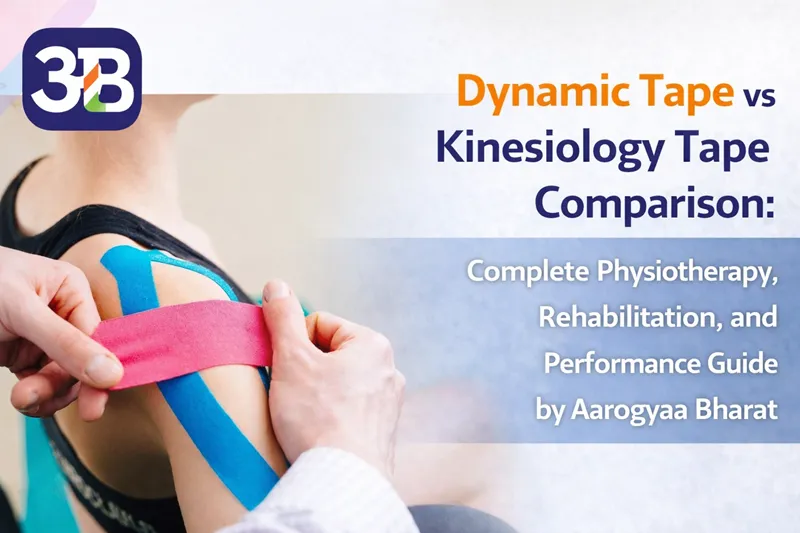
Understanding Therapeutic Taping in Modern Physiotherapy
Therapeutic taping has become an essential part of modern
rehabilitation because it provides non-invasive support that helps reduce pain,
improve posture, and enhance movement efficiency without restricting natural
mobility, and physiotherapists often use taping techniques to assist injured
muscles, stabilize joints, and promote better body awareness during exercise or
daily activities, while advancements in tape design have introduced specialized
materials like dynamic tape and kinesiology tape that serve different
biomechanical purposes depending on the patient’s condition and rehabilitation
goals.
What Is Dynamic Tape and How It Works
Dynamic tape is an advanced elastic therapeutic tape
designed with strong recoil properties that allow it to stretch significantly
and then contract to assist muscle function during movement, acting almost like
an external elastic muscle that absorbs load and redistributes forces away from
injured tissues, and because of its high elasticity dynamic tape is often used
in cases where reducing mechanical stress is essential, such as Achilles tendon
injuries, knee pain, or shoulder overload, helping patients maintain functional
movement while protecting vulnerable areas from excessive strain.
What Is Kinesiology tape and How It Supports Movement
Kinesiology tape is a lightweight and flexible tape designed
to mimic the elasticity of human skin, providing gentle support that enhances
proprioception and improves muscle activation without restricting range of
motion, and its primary function is to stimulate sensory receptors under the
skin, which helps improve posture, reduce mild swelling, and encourage proper
movement patterns, making it particularly useful for muscle fatigue, posture
correction, and mild injury recovery where heavy mechanical support is not
required.
Key Differences Between Dynamic Tape and Kinesiology Tape
Although both tapes are used in rehabilitation and sports
therapy, the main difference lies in their purpose and level of support because
dynamic tape provides strong mechanical assistance that reduces muscle
workload, while kinesiology tape focuses more on sensory stimulation and
movement guidance, and understanding this distinction helps patients and
therapists choose the right tape based on injury severity, rehabilitation
stage, and activity level, ensuring that treatment remains effective and aligned
with recovery goals.
Table: Dynamic Tape vs Kinesiology Tape - Core
Differences
|
Feature |
Dynamic
Tape |
Kinesiology
Tape |
|
Elastic
Strength |
Very high
elasticity |
Moderate
elasticity |
|
Mechanical
Support |
Strong load
absorption |
Minimal
mechanical assistance |
|
Purpose |
Reduce strain
& assist movement |
Improve
muscle activation |
|
Movement
Freedom |
Fully
functional movement |
Fully
functional movement |
|
Ideal Use |
Injury
rehabilitation & sports performance |
Posture
support & mild injuries |
When to Choose Dynamic Tape in Rehabilitation
Dynamic tape is often recommended for conditions that
involve high mechanical stress on muscles and joints because its strong recoil
properties help reduce the effort required for movement, making it ideal for
athletes recovering from overuse injuries, patients with chronic tendon pain,
or individuals undergoing intensive physiotherapy where supporting muscle
function is essential, and by absorbing energy during motion dynamic tape
allows patients to perform exercises with reduced fatigue and improved movement
efficiency, which can accelerate recovery while minimizing discomfort.
When Kinesiology Tape Is the Better Option
Kinesiology tape is best suited for situations where gentle
support and sensory feedback are needed rather than strong mechanical
assistance, such as improving posture, reducing mild swelling, or supporting
muscle activation during rehabilitation exercises, and its lightweight design
makes it comfortable for everyday wear, allowing individuals to maintain normal
movement while receiving subtle guidance that promotes proper alignment and
muscle engagement, making it a popular choice for general physiotherapy and
preventive care.
Benefits of Dynamic Tape for Sports Performance and
Injury Recovery
Dynamic tape provides significant advantages for athletes
because it helps manage load during high-impact activities such as running,
jumping, or lifting, reducing strain on muscles and tendons while maintaining
full range of motion, and its ability to store and release energy during
movement can improve efficiency and endurance, making it valuable not only for
injury rehabilitation but also for performance enhancement in sports training
environments where maintaining strength and stability is crucial.
Benefits of Kinesiology Tape for Everyday Rehabilitation
Kinesiology tape offers a range of benefits for individuals
undergoing general physiotherapy or recovering from mild injuries because it
improves circulation, reduces swelling, and enhances proprioception, helping
patients become more aware of their posture and movement patterns, while its
breathable material allows comfortable wear throughout the day, making it
suitable for office workers, elderly individuals, or patients managing chronic
muscle fatigue.
Table: Choosing the Right Tape Based on Health Goals
|
Health
Goal |
Best Tape
Choice |
Reason |
|
Heavy Muscle
Support |
Dynamic Tape |
Provides
mechanical assistance |
|
Posture
Correction |
Kinesiology
Tape |
Enhances
proprioception |
|
Sports
Performance |
Dynamic Tape |
Absorbs load
during movement |
|
Mild Pain
Relief |
Kinesiology
Tape |
Gentle
support |
|
Rehabilitation
After Injury |
Dynamic Tape |
Reduces
strain on tissues |
Application Techniques and Professional Guidance
Correct application of both dynamic tape and kinesiology
tape is essential for achieving optimal results because the direction of
stretch, placement along muscle fibres, and level of tension determine how
effectively the tape supports movement, and physiotherapists often tailor
taping methods based on individual biomechanics and rehabilitation goals,
ensuring that the tape enhances function rather than restricting natural
motion, while patients using tape at home should follow professional guidance
to avoid incorrect placement that could reduce effectiveness or cause
discomfort.
Comfort, Skin Safety, and Long-Term Wearability
Both dynamic tape and kinesiology tape are designed to be
breathable and flexible, but individuals with sensitive skin should perform
patch tests before prolonged use to prevent irritation, and proper removal
techniques such as peeling slowly in the direction of hair growth help protect
the skin, while maintaining clean and dry skin before application ensures
strong adhesion and reduces the risk of discomfort during extended wear.
Dynamic Tape and Kinesiology Tape in Home Rehabilitation
with Aarogyaa Bharat
As home physiotherapy continues to grow in India, many
individuals are exploring therapeutic taping as a convenient way to support
recovery between professional therapy sessions, and Aarogyaa Bharat promotes
informed use of rehabilitation solutions that help patients manage pain,
improve mobility, and maintain active lifestyles safely, encouraging
individuals to combine taping techniques with exercise, posture correction, and
professional physiotherapy guidance for long-term health benefits.
Psychological Benefits of Therapeutic Taping During
Recovery
Therapeutic taping can also provide psychological
reassurance because patients feel supported during movement, which reduces fear
of re-injury and encourages active participation in rehabilitation exercises,
and this increased confidence often leads to better adherence to therapy
routines, helping individuals achieve faster recovery and improved overall
well-being.
Aarogyaa Bharat - Supporting Advanced Physiotherapy and
Recovery Solutions
Aarogyaa Bharat is committed to empowering individuals with
reliable healthcare knowledge and rehabilitation resources that promote safe
recovery, improved mobility, and long-term musculoskeletal health, helping
patients make informed decisions about physiotherapy techniques such as dynamic
tape and kinesiology tape as part of a holistic wellness journey.
Conclusion
Dynamic tape and kinesiology tape each offer unique benefits
depending on the patient’s needs, with dynamic tape providing strong mechanical
support for load management and kinesiology tape offering gentle sensory
guidance for posture and muscle activation, and understanding these differences
helps individuals and therapists choose the right solution for injury recovery,
performance enhancement, or everyday rehabilitation, making therapeutic taping
an important part of modern physiotherapy supported by Aarogyaa Bharat’s
commitment to accessible and effective healthcare solutions.