Understanding Parallel Bars and Their Role in Structured
Rehabilitation Programs
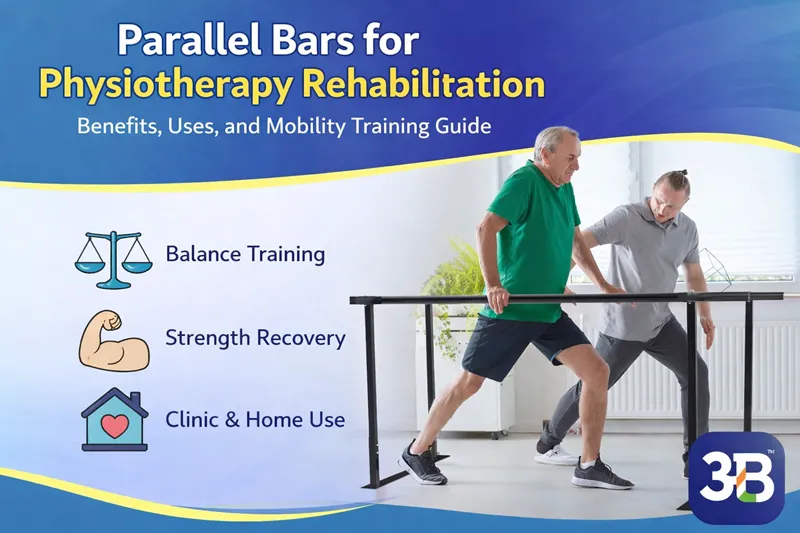
Parallel bars are fixed support rails positioned at
adjustable heights, designed to provide bilateral stability during walking
practice, standing exercises, and balance training. In physiotherapy
rehabilitation, these bars serve as a controlled environment where therapists
guide patients through movement patterns step by step, ensuring safety while
muscles regain strength and coordination. For individuals recovering from
prolonged bed rest or surgery, the first stage of rehabilitation often involves
simply standing upright, and parallel bars make this process less intimidating
by offering firm hand support on both sides. The design allows patients to
shift weight gradually from one leg to another, helping the body relearn
movement mechanics without sudden stress on joints or muscles. In Indian home
healthcare setups, parallel bars are becoming increasingly popular because they
replicate clinic-level therapy conditions within a familiar environment,
allowing families to maintain consistent rehabilitation routines. Unlike
temporary mobility aids, these bars focus on correcting posture, improving gait
alignment, and strengthening muscles through repetition, which makes them a
cornerstone of long-term physiotherapy strategies.
How Parallel Bars Improve Balance, Coordination, and
Muscle Strength During Recovery
One of the primary goals of physiotherapy rehabilitation is
to rebuild the connection between the brain and muscles, especially after
neurological events such as stroke or spinal injury. Parallel bars provide a
stable base that allows patients to focus on controlled movements without
worrying about losing balance. As patients grip the bars, they can practice
stepping motions, weight transfer exercises, and posture adjustments, all of
which activate core muscles and improve body awareness. Over time, these repetitive
movements enhance coordination and strengthen lower limb muscles, gradually
preparing patients for independent walking. Elderly patients, who often
struggle with fear of falling, find parallel bars particularly reassuring
because they offer consistent support throughout therapy sessions. By combining
physical stability with psychological comfort, parallel bars encourage patients
to attempt movements that might otherwise feel unsafe, accelerating recovery
progress and building confidence in daily mobility.
Parallel Bars in Neurological Rehabilitation: Stroke,
Parkinson’s, and Spinal Injury Recovery
Neurological rehabilitation often requires repetitive
movement training to rebuild neural pathways, and parallel bars provide the
ideal environment for this process. Stroke survivors commonly experience
weakness on one side of the body, making balance training essential for
regaining independence; parallel bars allow therapists to guide symmetrical
stepping and improve gait patterns safely. Patients with Parkinson’s disease
benefit from the structured walking practice because it helps reduce shuffling
steps and improves rhythm during movement. Individuals recovering from spinal
cord injuries or nerve damage also rely on parallel bars to practice standing
and walking exercises that gradually restore muscle activation. In many cases,
therapists introduce visual cues or rhythm-based exercises between the bars to
stimulate coordination and cognitive engagement during therapy sessions. Over
weeks of consistent practice, patients often regain greater control over
movement patterns, demonstrating how parallel bars support both physical and
neurological rehabilitation simultaneously.
Table: Parallel Bars Benefits Across Different
Rehabilitation Needs
|
Rehabilitation
Type |
How
Parallel Bars Help |
Expected
Outcome |
|
Stroke
Recovery |
Guided gait
training |
Improved
coordination |
|
Parkinson’s
Disease |
Stabilized
walking practice |
Better
movement rhythm |
|
Spinal Injury
Rehab |
Controlled
standing exercises |
Increased
strength |
|
Elderly
Balance Training |
Bilateral
support |
Reduced fall
risk |
|
Post-Surgery
Rehab |
Gradual
weight-bearing |
Faster
mobility recovery |
Orthopaedic Rehabilitation: Knee, Hip, and Post-Surgical
Recovery Using Parallel Bars
After orthopaedic procedures such as knee replacement, hip
surgery, or fracture repair, patients often need structured support to begin
walking again safely. Parallel bars allow gradual weight-bearing exercises that
help rebuild joint strength while minimizing strain on healing tissues.
Therapists frequently use these bars to teach proper walking posture, ensuring
that patients avoid compensatory movements that could lead to long-term
discomfort or imbalance. Step-by-step exercises performed between parallel bars
also improve joint flexibility and reduce stiffness, which is particularly
important during the early stages of recovery. In Indian home care settings,
families supporting post-surgery patients often find that having parallel bars
nearby encourages regular practice, helping patients maintain progress between
physiotherapy appointments. By offering a stable training environment, parallel
bars make rehabilitation less intimidating and more structured, promoting
steady improvement in mobility.
Table: Common Parallel Bar Exercises and Their
Rehabilitation Goals
|
Exercise |
Description |
Therapy
Goal |
|
Assisted
Walking |
Walking
slowly between rails |
Gait
retraining |
|
Sit-to-Stand
Practice |
Using bars
for support while standing |
Leg strength
improvement |
|
Side Stepping |
Moving
sideways along bars |
Balance
development |
|
Heel-to-Toe
Walking |
Controlled
step alignment |
Coordination
training |
|
Static
Balance Hold |
Standing
without movement |
Endurance
building |
Parallel Bars for Elderly Physiotherapy: Building
Confidence and Preventing Falls
Elderly patients often experience reduced muscle strength,
slower reflexes, and balance challenges that increase the risk of falls, making
parallel bars a valuable addition to senior rehabilitation programs. These bars
allow seniors to perform exercises such as standing practice, gentle walking,
and weight shifting in a secure environment that reduces anxiety about losing
balance. For many older adults, the presence of sturdy hand support encourages
them to remain active rather than avoiding movement due to fear of injury.
Regular use of parallel bars helps improve posture, enhance circulation, and
maintain joint mobility, all of which contribute to healthier aging. Families
caring for elderly individuals frequently report that consistent physiotherapy
sessions between parallel bars lead to better walking confidence and reduced
dependency on caregivers over time. As India’s aging population grows,
integrating safe rehabilitation equipment into home environments is becoming an
essential part of long-term elder care strategies.
Parallel Bars vs Walkers and Canes: Choosing the Right
Rehabilitation Tool
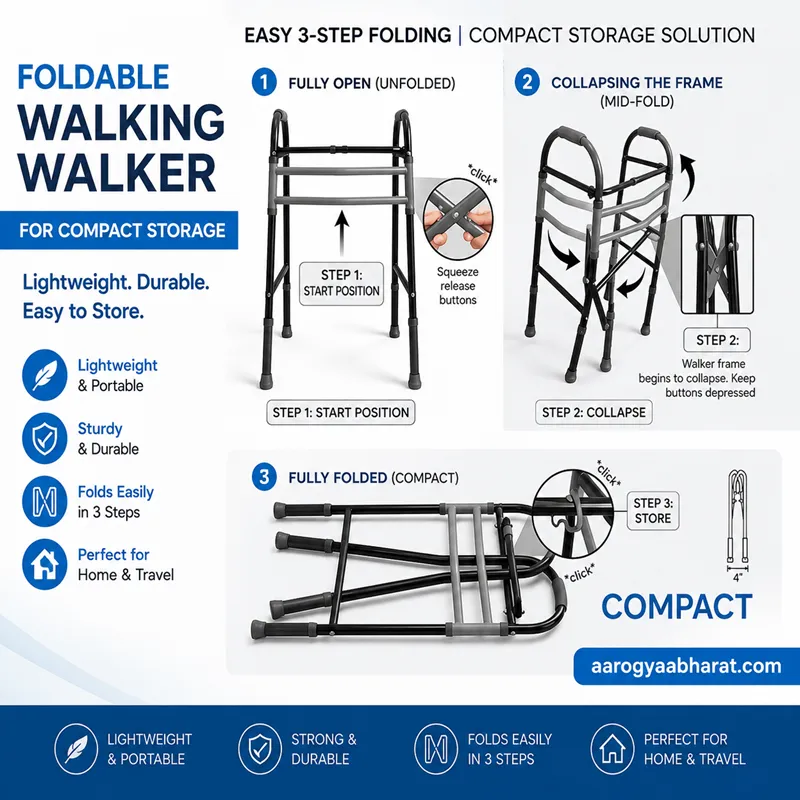
While walkers and canes are useful mobility aids, they serve
a different purpose compared to parallel bars in rehabilitation programs.
Parallel bars provide fixed and stable support that is ideal for early recovery
stages when patients require maximum safety and supervision. Walkers, on the
other hand, are designed for patients who have already developed a certain
level of balance and are ready to move independently across larger areas.
Physiotherapists often begin therapy within parallel bars to correct posture
and build strength before transitioning patients to walkers or canes for daily
mobility. Understanding this progression helps families choose the right
equipment at the right time, ensuring that rehabilitation remains safe and
effective throughout each stage of recovery.
Home Physiotherapy Setup with Parallel Bars: Creating a
Safe Rehabilitation Space
Setting up parallel bars at home requires thoughtful
planning to ensure both safety and convenience. The bars should be placed on a
flat, non-slippery surface with enough surrounding space for caregivers to
assist patients comfortably. Adjustable height settings should be customized
according to the patient’s wrist level when standing upright, promoting natural
posture and reducing strain on shoulders. Aarogyaa Bharat recommends choosing
sturdy metal frames with anti-slip bases, as these provide long-term durability
and stability during daily therapy sessions. Adding supportive flooring mats
and maintaining proper lighting around the rehabilitation area further enhances
safety, especially for elderly users who may have vision challenges. With the
right setup, families can create a mini rehabilitation zone within their homes,
allowing therapy to continue consistently without relying solely on clinic
visits.
Long-Term Benefits of Parallel Bar Rehabilitation for
Mobility Independence
Consistent use of parallel bars can lead to significant improvements in mobility, strength, and overall confidence, helping patients transition from assisted movement to independent walking. Over time, exercises performed between the bars enhance muscle endurance, improve posture, and encourage better coordination, all of which contribute to long-term physical wellness. Patients often find that structured rehabilitation routines help them regain not only physical abilities but also emotional resilience, as each successful step represents progress toward independence. For families supporting recovery journeys, parallel bars offer a practical and reliable solution that bridges the gap between clinical physiotherapy sessions and everyday home care.