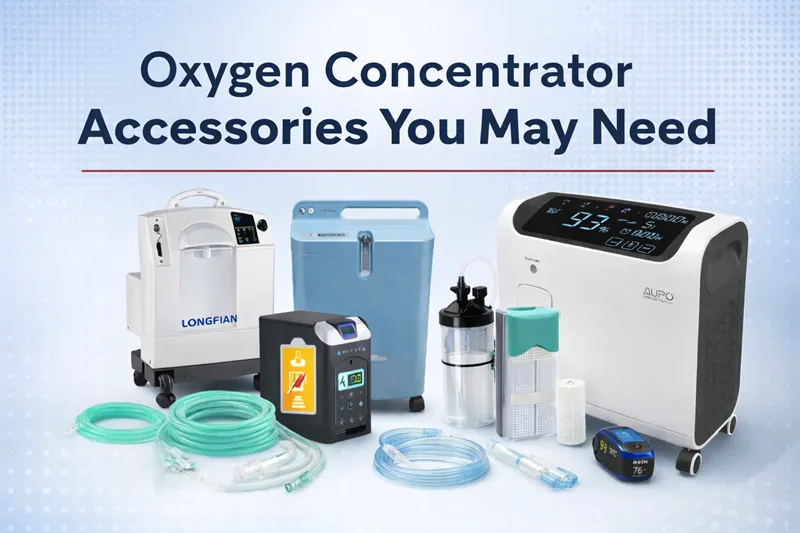
At Aarogyaa Bharat, we work closely with families across India who care for elderly parents, post-COVID patients, and people living with COPD, asthma, or heart conditions. Over time, we’ve seen one recurring issue patients facing discomfort, frequent machine alarms, or sudden emergencies simply because the right accessories were missing or neglected. These small components quietly determine how smooth or stressful daily oxygen therapy becomes. Accessories are not cosmetic add-ons. They play a functional, medical, and psychological role in oxygen care. They ensure that oxygen reaches the patient without interruption, remains hygienic, and feels comfortable even during long hours of use. They also protect the concentrator from dust, moisture, voltage fluctuations, and mechanical stress, which significantly extends its working life. This guide explains all the essential oxygen concentrator accessories you may need, how each one helps, how often it should be replaced, and how to build a complete home oxygen setup. Whether you are just starting oxygen therapy or want to upgrade your existing setup, this article will help you make confident, informed decisions for your loved one’s health and dignity.
Why Oxygen Concentrator Accessories Matter More Than You Think
Many families assume that once the concentrator is plugged in and running, oxygen therapy will automatically work perfectly. In reality, the concentrator is only one part of a larger system that includes tubing, filters, delivery interfaces, power backups, and hygiene tools. If even one of these components fails or degrades, the entire therapy experience can suffer. Accessories directly influence how well oxygen is delivered to the patient. For example, a hardened nasal cannula can reduce airflow and cause nose pain. A dirty filter can lower oxygen purity and strain the machine. A missing humidifier bottle can lead to throat dryness and nose bleeding. These issues may look small, but they have a real impact on comfort, compliance, and overall recovery. From a safety perspective, accessories act as your first line of defense. A surge protector protects your machine from voltage spikes. A power backup ensures oxygen supply during electricity cuts. A pulse oximeter alerts you if oxygen levels fall dangerously. Without these safeguards, families are forced into panic-driven decisions during emergencies.
1. Nasal Cannula - The Most Common Oxygen Interface
The nasal cannula is the small, soft tube with two prongs that fits into the patient’s nostrils. It is the most commonly used oxygen delivery interface for home care because it allows the patient to speak, eat, and sleep comfortably while receiving oxygen. Despite its simplicity, the quality of the cannula plays a major role in comfort and therapy effectiveness. Low-quality or old cannulas can become stiff and rough, leading to nose soreness, redness, and skin irritation around the ears and cheeks. Over time, bacteria can build up inside the tubing, increasing the risk of respiratory infections. For long-term users, these issues can make patients resist using oxygen, which negatively affects recovery and oxygen saturation levels. Modern nasal cannulas come in different types based on softness, flow capacity, and patient age. Soft-touch cannulas are designed with extra cushioning for people who use oxygen for many hours daily. Pediatric cannulas have smaller prongs for children, while high-flow cannulas support higher oxygen delivery needs under medical supervision. To maintain hygiene and comfort, nasal cannulas should ideally be replaced every 7 to 15 days, depending on usage intensity. If you notice discoloration, stiffness, cracks, or reduced airflow, the cannula should be changed immediately. Keeping 2–3 spare cannulas at home is always a wise precaution.
2. Oxygen Tubing - The Lifeline Between Machine and Patient
Oxygen tubing connects the concentrator outlet to the nasal cannula or oxygen mask, making it a critical link in the oxygen delivery chain. While it may look like a simple plastic pipe, its quality directly affects how smoothly oxygen flows from the machine to the patient’s lungs. Cheap or old tubing can easily kink, crack, or harden over time. This restricts airflow, triggers alarm systems in the concentrator, and may cause sudden drops in oxygen delivery. In severe cases, patients may experience breathlessness without immediately realizing that the problem is mechanical rather than medical. High-quality oxygen tubing is made from medical-grade PVC, designed to resist kinking and maintain flexibility even after prolonged use. Transparent tubing is preferred because it allows caregivers to easily spot moisture buildup, dirt, or blockages inside the pipe. Standard connectors ensure compatibility with most concentrators and accessories. Tubing is available in different lengths to suit different home layouts. Short tubing (2 meters) works well for bedside setups, while longer tubing (5–10 meters) allows patients to move around the room or house without disconnecting the machine. Tubing should typically be replaced every 1–2 months or sooner if it becomes yellow, stiff, or leaky.
3. Humidifier Bottle - Prevents Dryness & Nose Bleeds
A humidifier bottle attaches directly to the oxygen concentrator and adds moisture to the oxygen stream before it reaches the patient. This accessory is especially important for people who use oxygen therapy for several hours a day or overnight, as dry oxygen can irritate sensitive nasal and throat tissues. Without humidification, patients may experience dryness in the nose and throat, burning sensations, thick mucus buildup, and even frequent nosebleeds. Over time, this discomfort can reduce compliance with oxygen therapy, as patients may start removing the cannula or lowering the prescribed flow rate to avoid irritation. Humidifier bottles are filled with distilled water, which prevents mineral deposits and bacterial growth inside the container. As oxygen passes through the water chamber, it picks up moisture, making it gentler on the airways. This significantly improves comfort, particularly for elderly users and long-term respiratory patients.
4. Oxygen Masks - Alternative to Nasal Cannula
Oxygen masks cover both the nose and mouth, delivering oxygen at higher flow rates compared to nasal cannulas. They are particularly useful for patients who breathe primarily through their mouth or require short-term high-flow oxygen during episodes of respiratory distress. Masks are often recommended for patients with severe COPD, pneumonia, post-surgical breathing difficulties, or during nebulization sessions. They provide a more enclosed oxygen environment, which helps maintain consistent oxygen concentration levels when higher flow rates are medically prescribed. There are different types of oxygen masks designed for different clinical needs. Simple face masks are used for moderate flow requirements, while Venturi masks allow precise control over oxygen concentration. Non-rebreather masks are reserved for emergency situations, delivering very high oxygen levels. Nebulizer masks are used to combine oxygen therapy with medication delivery.
5. HEPA & Intake Filters - Protect the Machine and the Patient
Filters are installed inside oxygen concentrators to clean incoming air before it is processed and delivered to the patient. They remove dust, smoke particles, allergens, and bacteria, ensuring that the oxygen remains pure and safe to breathe. When filters become clogged with dirt, airflow is restricted, forcing the concentrator to work harder. This reduces oxygen purity, increases electricity consumption, and puts extra strain on internal components, which can lead to overheating or early machine failure. In extreme cases, dirty filters may even trigger safety shutdowns. Most concentrators use two types of filters: washable foam intake filters and non-washable HEPA filters. Foam filters should be cleaned weekly using mild soap and water, then fully dried before reinstallation. HEPA filters, on the other hand, must be replaced every 6–12 months depending on environmental conditions. In dusty Indian cities or homes with smokers, pets, or construction nearby, filters may need more frequent cleaning or replacement. Keeping spare filters at home ensures uninterrupted therapy and protects your investment in the concentrator.
6. Power Backup (Inverter or UPS) - Life-Saving During Power Cuts
Electricity outages are a common reality in many parts of India, especially during monsoons and peak summer months. Since oxygen concentrators rely entirely on electricity, even a short power cut can abruptly stop oxygen supply, putting patients at immediate risk. Without a power backup, families may find themselves scrambling to arrange alternative oxygen sources during emergencies, often at night or during extreme weather. This panic situation can be avoided by installing a reliable inverter, UPS, or portable power station dedicated to the concentrator. A suitable power backup system ensures uninterrupted oxygen delivery for several hours, depending on battery capacity. For standard 5-liter concentrators, a minimum capacity of 600–1000 VA is recommended. Higher-capacity machines, such as 10-liter concentrators, require more powerful backup systems. Investing in a power backup is not a luxury it is a safety necessity. It protects the patient from sudden breathlessness, reduces caregiver anxiety, and provides a crucial buffer period until normal electricity supply is restored.
7. Flow Meter Regulator - For Precision Control
A flow meter regulator is an external device used to control and monitor the exact flow rate of oxygen delivered to the patient. While most concentrators have built-in flow controls, an external regulator can provide greater precision in certain setups. This accessory is particularly useful in pediatric care, where even small changes in oxygen flow can have a significant impact. It is also beneficial in situations where oxygen is shared between two patients using a splitter, as it allows individualized flow adjustment for each user. Flow meter regulators display oxygen flow in liters per minute (LPM), helping caregivers maintain the doctor-prescribed settings accurately. This prevents both under-oxygenation and over-oxygenation, which can cause discomfort or complications if prolonged. Though not mandatory for all home setups, a flow meter regulator is a valuable upgrade for families seeking extra precision and medical-grade control over oxygen delivery.
8. Nebulizer Kit - For Combined Respiratory Therapy
Many patients who use oxygen concentrators also require nebulization for medication delivery. Nebulizer kits convert liquid medicine into a fine mist that can be inhaled directly into the lungs, helping clear mucus, open airways, and reduce breathlessness. Combining nebulization with oxygen therapy is especially common in patients with asthma, bronchitis, COPD, or post-COVID lung complications. It allows doctors to treat both oxygen deficiency and airway inflammation simultaneously. A standard nebulizer kit includes a medication cup, tubing, and either a mask or mouthpiece. Some concentrators support direct nebulizer connections, while others require standalone nebulizer machines. For hygiene and performance, nebulizer kits should be cleaned after every use and replaced every 1–2 months. Cracked cups, blocked tubing, or loose connectors can reduce medication effectiveness and must be addressed promptly.
9. Oxygen Cylinder Backup - Emergency Lifeline
Even with a power backup system, many doctors strongly recommend keeping a small oxygen cylinder at home as an additional safety layer. This becomes especially important in areas prone to long power cuts or during machine servicing periods. A portable oxygen cylinder acts as a temporary lifeline, ensuring that oxygen therapy can continue uninterrupted in emergencies. It provides valuable time to arrange repairs, recharge batteries, or transport the patient to a medical facility if needed. For home use, a 5–10 liter cylinder is usually sufficient. It should be stored in a well-ventilated area, secured upright, and checked regularly for pressure levels. Families should also learn basic cylinder operation and safety precautions. While it may seem like an extra expense, an oxygen cylinder backup offers priceless peace of mind and can be life-saving during unexpected situations.
10. Pulse Oximeter - Monitor Oxygen Levels at Home
A pulse oximeter is a small, fingertip device that measures blood oxygen saturation (SpO₂) and pulse rate. It plays a crucial role in monitoring whether oxygen therapy is working effectively. Many patients, especially elderly individuals, may not feel breathless even when oxygen levels fall dangerously low-a condition known as silent hypoxia. A pulse oximeter helps detect such hidden risks early, allowing timely medical intervention. Caregivers should use the oximeter to check SpO₂ levels before starting oxygen, during therapy, and after stopping oxygen. It also helps guide flow rate adjustments under medical advice. Having a reliable pulse oximeter at home empowers families to manage respiratory care proactively and reduces dependence on emergency hospital visits for routine monitoring.
11. Trolley or Stand - For Easy Movement
Oxygen concentrators are heavy machines, typically weighing between 15 and 25 kilograms. Lifting or dragging them manually can cause physical strain and increase the risk of falls or internal machine damage. A dedicated trolley or stand allows smooth movement of the concentrator from one room to another without lifting. This is particularly helpful for families who need to reposition the machine during daytime and nighttime use. Trolleys also help maintain proper airflow around the concentrator by keeping it elevated and away from walls or curtains. This improves ventilation and prevents overheating. For elderly caregivers or patients living alone, a trolley adds a valuable layer of convenience and safety to daily oxygen therapy routines.
12. Extension Cords & Surge Protectors - Electrical Safety
Oxygen concentrators are sensitive medical devices that must be protected from voltage fluctuations and electrical surges. Inconsistent power supply can damage internal components and shorten the machine’s lifespan. A high-quality surge protector safeguards the concentrator from sudden voltage spikes, especially during thunderstorms or power restoration after outages. This simple accessory can prevent costly repairs and machine breakdowns. Extension cords may be necessary in homes where power sockets are located far from the patient’s bed. However, only heavy-duty, medical-grade extension cords should be used to ensure safe current flow. Together, surge protectors and proper extension cords enhance electrical safety and ensure uninterrupted, reliable oxygen therapy.
13. Disinfectants & Cleaning Supplies – Hygiene Is Non-Negotiable
Maintaining hygiene in oxygen therapy is not optional it is a medical necessity. Accessories like cannulas, masks, tubing, humidifier bottles, and nebulizer kits are in constant contact with airways and moisture, making them breeding grounds for bacteria and fungi if not cleaned properly. Medical-grade disinfectants, mild soap, clean cloths, and distilled water form the foundation of a safe oxygen care routine. Regular cleaning prevents infections, unpleasant odors, and airflow blockages. Families should establish a daily and weekly cleaning schedule for all oxygen accessories. This routine not only protects the patient’s health but also improves the durability and performance of the equipment. Good hygiene practices transform oxygen therapy from a risky necessity into a safe, reliable long-term care solution.
How to Build a Complete Oxygen Therapy Kit at Home
A well-prepared home oxygen setup includes both essential and backup accessories to handle daily needs and emergencies. Relying on a single cannula or tubing set is risky, as replacements may not be immediately available when needed. A practical starter kit should include multiple nasal cannulas, spare tubing, a humidifier bottle, HEPA filters, and a power backup system. Adding a pulse oximeter, nebulizer kit, trolley, and oxygen cylinder further strengthens your safety net. This proactive approach minimizes therapy interruptions and reduces caregiver stress. It also ensures that your loved one receives consistent, high-quality oxygen support without last-minute panic. Building a complete kit may involve some upfront cost, but it saves money and emotional strain in the long run by preventing emergency purchases and hospital visits.
Common Mistakes Families Make
One of the most common mistakes is reusing nasal cannulas for months without replacement. This leads to hygiene problems, reduced comfort, and higher infection risk. Many families also skip humidifier bottles, unaware that dry oxygen can cause nose bleeding and throat irritation. Another frequent error is ignoring filter maintenance. Dirty filters reduce oxygen purity and damage the concentrator over time. Families also underestimate the importance of power backups, assuming that electricity will always be available. Using tap water in humidifier bottles is another dangerous habit, as it causes mineral deposits and bacterial growth. Not monitoring SpO₂ levels regularly can delay detection of worsening respiratory conditions. Avoiding these mistakes dramatically improves the safety, comfort, and effectiveness of home oxygen therapy.
How Aarogyaa Bharat Helps You Set Up Right
At Aarogyaa Bharat – Live Healthy, Live Better, we believe that healthcare is not just about selling equipment—it is about supporting families through every stage of recovery and care. We help you choose the right oxygen concentrator accessories based on your patient’s condition, usage hours, and home environment. Our team provides doorstep installation, training on proper usage, and guidance on maintenance routines. We also supply genuine spares, emergency backup solutions, and both rental and purchase options across India. Our goal is to eliminate confusion and ensure that every family receives a safe, complete, and stress-free oxygen setup. With Aarogyaa Bharat by your side, you are never alone in managing home respiratory care.
Conclusion
Oxygen concentrators may be the heroes of home respiratory care, but accessories are the silent supporters that make therapy truly effective and safe. When chosen wisely and maintained properly, they enhance comfort, prevent complications, and protect both patients and machines. Accessories also empower families to handle emergencies confidently. From power backups to spare cannulas and pulse oximeters, these small investments create a strong safety net around vulnerable patients. If your loved one depends on oxygen therapy, do not treat accessories as an afterthought. Build a complete, reliable oxygen care ecosystem and let Aarogyaa Bharat guide you every step of the way.