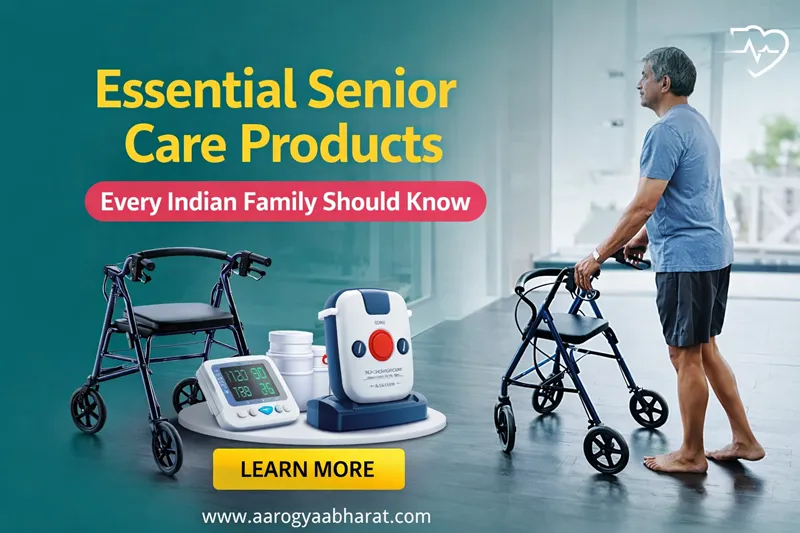
Understanding Why Senior Care Products Are No Longer
Optional
Senior care products were once seen as optional or required
only during illness or recovery, but today they are becoming a basic necessity
for elderly living. Aging is a gradual process, and physical decline often
begins long before it becomes visibly severe. Small issues such as occasional
dizziness, knee pain, or weak grip can quickly escalate into serious accidents
if not addressed early. Senior care products act as preventive tools rather
than emergency solutions, helping seniors navigate daily life safely before a
major incident occurs. For Indian families, adopting these products early
reduces stress, avoids sudden hospitalizations, and creates a smoother
transition into later stages of aging without disrupting the senior’s sense of
independence.
Mobility Support Products That Form the Foundation of
Elderly Care
Mobility support products are among the most essential items
every Indian family should be aware of when caring for elderly parents. Walking
sticks, quad canes, walkers, rollators, and wheelchairs help seniors maintain
balance and confidence while moving around the home. Even seniors who appear
mostly independent may benefit from light mobility support during early
mornings, late evenings, or periods of fatigue. In Indian homes, uneven
flooring, slippery tiles, and narrow passages make mobility aids particularly
important. The right mobility product reduces joint strain, prevents falls, and
encourages movement, which is essential for maintaining muscle strength and
circulation. Choosing appropriate mobility aids early can prevent long-term
dependence and fear of movement.
Sit-to-Stand and Transfer Support Products
One of the most common yet overlooked challenges for elderly
individuals is transitioning between positions, such as standing up from a
chair, getting out of bed, or moving from bed to wheelchair. Many falls occur
during these transitions rather than while walking. Sit-to-stand aids, bed
rails, grab handles, and transfer supports provide stability during these
critical moments. In Indian households, where sofas and beds are often low or
not designed for elderly use, transfer support products become especially
important. These aids reduce strain on knees and hips, protect caregivers from
back injuries, and allow seniors to move with greater confidence and control.
Bathroom Safety Products Every Family Should Prioritize
Bathrooms are consistently the highest-risk area for elderly
accidents due to wet surfaces, confined spaces, and awkward movements.
Essential bathroom safety products include commode chairs, raised toilet seats,
grab bars, shower chairs, anti-slip mats, and handheld showers. In many Indian
homes with squat toilets, commode chairs designed for Indian use are
particularly valuable, as squatting becomes painful and dangerous with age.
Bathroom safety products should not be limited to basic installations; a layered
approach provides better protection. These products allow seniors to maintain
privacy and dignity while significantly reducing the risk of slips and falls
during daily hygiene routines.
Bed and Bedroom Support Products for Daily Safety
The bedroom is another critical area where senior care
products make a major difference. As seniors spend more time resting or
recovering, bed-related safety becomes increasingly important. Adjustable
hospital beds, semi-fowler beds, pressure-relief mattresses, bed rails, wedge
pillows, and backrests help seniors change positions safely and sleep
comfortably. These products are especially important for bedridden seniors,
post-surgery patients, and those at risk of pressure sores. A properly
supported bed setup improves breathing, circulation, and sleep quality while
reducing the physical effort required from caregivers during repositioning and
transfers.
Daily Living Aids That Preserve Independence
Daily Living Aids, also known as ADL products, are essential
senior care tools that support routine activities such as eating, dressing,
grooming, and reaching objects. Adaptive cutlery, non-slip feeding cups, plate
guards, long-handled reachers, button hooks, shoe horns, and dressing sticks
may appear simple, but they have a powerful impact on independence. For seniors
with arthritis, tremors, or weak grip strength, these aids reduce frustration
and dependency. In Indian families, where elders often value self-sufficiency
and privacy, daily living aids help maintain emotional well-being and dignity
by allowing seniors to manage personal tasks on their own.
Health Monitoring Devices for Everyday Elderly Care
Health monitoring devices are becoming an essential part of
elderly home care due to the high prevalence of chronic conditions among Indian
seniors. Blood pressure monitors, glucometers, pulse oximeters, thermometers,
nebulizers, and oxygen concentrators enable families to monitor health
parameters regularly at home. These devices support early detection of health
issues, reduce unnecessary hospital visits, and help doctors make informed
decisions during consultations. For seniors living alone or managing long-term
conditions, home-based health monitoring provides reassurance and continuity of
care, making it an indispensable part of modern elderly care.
Rehabilitation and Exercise Equipment for Long-Term
Mobility
Rehabilitation equipment supports recovery after illness or
surgery and also helps seniors maintain mobility and strength over time. Pedal
exercisers, resistance bands, hand exercisers, balance trainers, and posture
support devices encourage gentle physical activity suited to elderly bodies.
Regular use of rehabilitation products improves circulation, joint flexibility,
muscle tone, and coordination when guided by healthcare professionals. In
Indian homes, compact and easy-to-use rehabilitation equipment allows seniors
to continue therapy routines without frequent clinic visits, supporting
long-term independence and reducing the risk of physical decline due to
inactivity.
Fall Prevention Products That Create a Safer Home
Environment
Fall prevention products are essential for protecting
elderly individuals from injuries that can severely impact independence.
Anti-slip mats, non-skid footwear, night lamps, motion sensor lights, corner
guards, bed alarms, and clear walking paths work together to minimize accident
risk throughout the home. Fall prevention should be planned holistically rather
than focusing on one room or product. In Indian households, where lighting may
be uneven and floor surfaces vary, fall prevention products significantly
enhance safety and confidence during both daytime and night-time movement.
Emergency and Alert Products for Seniors Living Alone
For seniors who spend time alone at home, emergency alert
products add an extra layer of security. Emergency call buttons, wearable
alarms, bedside alert systems, and phone-based emergency contacts allow seniors
to quickly seek help in case of a fall or sudden health issue. These products
provide reassurance to both seniors and family members, especially in
households where caregivers are not present at all times. Emergency alert
systems support independence without constant supervision, making them an important
consideration for modern Indian families.
Essential Senior Care Products and Their Purpose
|
Product
Category |
Examples |
Primary
Benefit |
|
Mobility
Support |
Walkers,
canes, wheelchairs |
Safe movement
and balance |
|
Transfer
Support |
Bed rails,
grab handles |
Safe position
changes |
|
Bathroom
Safety |
Commode
chairs, grab bars |
Fall
prevention and hygiene |
|
Bed Support |
Hospital
beds, mattresses |
Comfort and
pressure care |
|
Daily Living
Aids |
Adaptive
cutlery, reaches |
Independent
daily tasks |
|
Health
Monitoring |
BP monitors,
glucometers |
Chronic
condition management |
|
Rehabilitation |
Pedal
exercisers, bands |
Strength and
mobility |
|
Fall
Prevention |
Anti-slip
mats, night lights |
Accident
reduction |
|
Emergency
Alerts |
Wearable
alarms |
Quick access
to help |
Planning Senior Care Products Room by Room
A room-by-room approach helps families identify risks and
choose appropriate products more effectively. Bedrooms require bed support and
night lighting, bathrooms need anti-slip solutions and grab support, living
areas benefit from stable seating and clear walkways, and entrances may require
handrails or ramps. Planning senior care products room by room ensures
comprehensive safety coverage rather than isolated solutions. This approach
also makes it easier to prioritize purchases based on risk and budget.
Budgeting and Long-Term Value of Senior Care Products
Senior care products should be viewed as long-term
investments rather than short-term expenses. While budget constraints are real,
choosing low-quality products often leads to frequent replacements or accidents
that cost far more in the long run. Families should focus on durability, safety
certifications, and long-term usability when budgeting for senior care
products. Gradual upgrades based on changing needs are more effective than
emergency purchases made after accidents. Thoughtful budgeting supports sustainable
elderly care at home.
Emotional and Psychological Impact on Seniors and
Families
Beyond physical safety, senior care products have a profound
emotional and psychological impact. Seniors who feel safe and capable at home
experience higher confidence, reduced anxiety, and better mental health. They
are more willing to stay active, maintain routines, and engage socially.
Families also benefit emotionally by experiencing less worry and caregiver
stress. A well-equipped home environment fosters trust, respect, and healthier
relationships between seniors and their families.
Common Elderly Challenges and Essential Products
|
Elderly
Challenge |
Essential
Senior Care Products |
|
Fear of
falling |
Walkers, grab
bars, anti-slip mats |
|
Weak knees |
Raised toilet
seat, bed rails |
|
Limited
mobility |
Wheelchair,
transfer aids |
|
Chronic
illness |
BP monitor,
glucometer |
|
Post-surgery
recovery |
Rehab
equipment, bed support |
|
Living alone |
Emergency
alert systems |
Conclusion
Senior care products are no longer optional add-ons but
essential components of safe and dignified elderly living in India. As families
take on the responsibility of home-based care, understanding and adopting the
right senior care products becomes critical. From mobility aids and bathroom
safety products to health monitoring devices, rehabilitation tools, and
emergency alerts, each product plays a role in supporting independence and
preventing accidents. By planning thoughtfully, investing in quality products,
and reassessing needs regularly, Indian families can create home environments
where seniors continue to live confidently, comfortably, and with dignity.