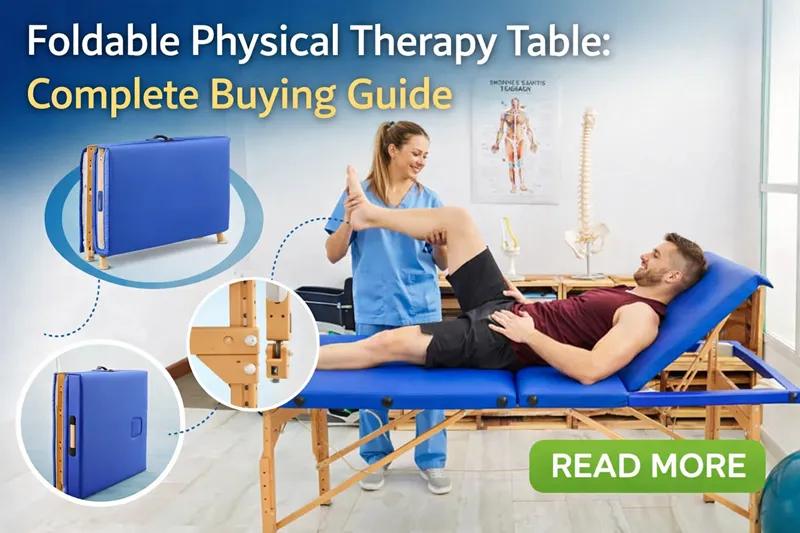
Why a Physical Therapy Table Is the Backbone of
Rehabilitation
Every physiotherapy session whether it involves massage,
joint mobilization, stretching, electrotherapy, or post-surgical rehabilitation
depends on a stable and ergonomically correct surface. The therapy table
determines patient comfort, therapist posture, and treatment precision. If the
table height is incorrect, therapists strain their backs and shoulders. If the
table padding is inadequate, patients experience discomfort that reduces
relaxation and compliance. A foldable physical therapy table, when properly
designed, delivers the same clinical stability as fixed tables while offering
flexibility in usage and storage.
Growing Demand for Foldable Therapy Tables in India
India’s healthcare landscape is rapidly shifting toward
home-based care, outpatient physiotherapy, and mobile rehabilitation services.
Elderly patients, post-surgery recoveries, stroke survivors, and chronic pain
patients often prefer therapy at home rather than frequent clinic visits.
Foldable physical therapy tables support this trend by allowing therapists to
carry professional equipment directly to the patient. For small clinics and
multi-purpose wellness centers, foldable tables help optimize limited space
without compromising treatment quality. This growing demand makes understanding
the right buying criteria more important than ever.
What Makes a Foldable Physical Therapy Table Different
from Regular Beds
Many families initially attempt physiotherapy on regular
beds, sofas, or dining tables, assuming they are sufficient. In reality, these
surfaces are unsuitable for therapeutic work. Regular beds are too soft,
unstable, and low, which disrupts proper alignment and technique. Foldable
physical therapy tables are specifically engineered for clinical use, with firm
yet comfortable padding, adjustable height, reinforced frames, and anti-slip
feet. These features ensure that therapy movements are precise, safe, and
repeatable something ordinary furniture simply cannot provide.
Importance of Height Adjustability for Effective Therapy
One of the most critical features of a foldable physical
therapy table is height adjustability. Different therapies require different
working heights, and therapists themselves vary in stature. An
adjustable-height table allows therapists to maintain neutral posture, reducing
long-term musculoskeletal strain. For patients, proper height ensures safe
transfers on and off the table, especially for elderly or mobility-impaired
individuals. Over long rehabilitation programs, correct height adjustment
significantly improves comfort, efficiency, and treatment outcomes.
Role of Stability and Weight-Bearing Capacity
Stability is non-negotiable in physiotherapy. A table that
wobbles or flexes under pressure compromises both safety and effectiveness.
Foldable physical therapy tables designed for professional use feature
reinforced frames, locking mechanisms, and cross-support structures that
prevent movement during therapy. Weight-bearing capacity is especially
important in India, where patients vary widely in body weight. A high-capacity
table ensures safe use for all patients, including bariatric users, without fear
of collapse or instability.
Padding Quality and Patient Comfort
Padding quality directly affects patient relaxation and
tolerance during therapy sessions. Too-soft padding reduces support and
alignment, while overly hard surfaces cause discomfort and muscle guarding.
High-quality foldable therapy tables use multi-layer, high-density foam that
balances firmness and comfort. Upholstery materials should be durable, easy to
clean, and resistant to sweat, oils, and disinfectants. Comfortable patients
relax better, respond more positively to therapy, and recover faster making
padding quality a key buying consideration.
Portability and Ease of Folding for Mobile Therapists
One of the defining advantages of foldable physical therapy
tables is portability. Mobile physiotherapists often travel to multiple homes
daily, making weight, foldability, and carrying design crucial. A well-designed
foldable table folds smoothly, locks securely in transit, and includes handles
or carry cases for ease of transport. Portability should not come at the cost
of stability; the best tables balance lightweight construction with structural
strength, ensuring professional performance anywhere.
Safety Features That Cannot Be Compromised
Safety is paramount in rehabilitation environments. Foldable
physical therapy tables should include non-slip feet, secure locking systems,
rounded edges, and stable leg supports. These features prevent accidental
movement during therapy and reduce injury risk during patient transfers. For
elderly patients or those with balance issues, safety-focused design elements
provide confidence and reduce anxiety. A safe table supports not only physical
outcomes but also emotional comfort during therapy.
Applications Across Different Therapy Types
Foldable physical therapy tables are used across a wide
range of therapies, including orthopaedic rehabilitation, neurological therapy,
sports injury treatment, massage therapy, chiropractic adjustments, and
post-operative recovery. Their versatility makes them suitable for clinics,
hospitals, home care, and wellness centers alike. A single well-chosen table
can support multiple therapy modalities, making it a cost-effective investment
for professionals and families.
Key Features to Evaluate in a Foldable Physical Therapy
Table
|
Feature |
Why It
Matters |
|
Adjustable
height |
Therapist
ergonomics and patient safety |
|
High weight
capacity |
Safe for all
body types |
|
Strong frame |
Stability
during treatment |
|
Quality
padding |
Patient
comfort and compliance |
|
Easy folding |
Portability
and storage |
|
Anti-slip
feet |
Accident
prevention |
Home Rehabilitation: Why Foldable Tables Are Essential
Home rehabilitation often involves limited space and
non-clinical environments. Foldable physical therapy tables allow families to
set up a professional therapy area temporarily and store it away when not in
use. This flexibility makes consistent therapy possible without permanently
altering living spaces. For long-term recoveries, such as stroke rehabilitation
or post-surgery physiotherapy, having a dedicated therapy surface at home
significantly improves adherence and results.
Impact on Therapist Efficiency and Longevity
Physiotherapists face high physical demands in their
profession, and poor equipment contributes to early burnout and injury.
Foldable physical therapy tables with proper height adjustment and stability
protect therapists from repetitive strain injuries. Over years of practice,
this ergonomic support extends career longevity and improves treatment quality.
Investing in the right table is therefore as important for therapists as it is
for patients.
Cost Considerations and Long-Term Value
While foldable physical therapy tables vary in price,
focusing solely on cost can be misleading. Cheaper tables often compromise on
frame strength, padding quality, or safety features, leading to frequent
replacements or risk of injury. High-quality tables offer better durability,
safety, and versatility, making them more cost-effective over time. When viewed
as long-term rehabilitation infrastructure rather than a one-time purchase, a
good foldable therapy table delivers excellent value.
Foldable Therapy Table vs Improvised Surfaces
|
Aspect |
Regular
Bed/Sofa |
Foldable
Therapy Table |
|
Stability |
Poor |
High |
|
Height
control |
Fixed |
Adjustable |
|
Patient
comfort |
Inconsistent |
Optimized |
|
Therapist
posture |
Poor |
Ergonomic |
|
Safety |
Low |
High |
Choosing the Right Table for Your Specific Needs
The ideal foldable physical therapy table depends on who
will use it and how. Mobile therapists may prioritize lightweight design, while
clinics may focus on durability and frequent-use performance. Home users may
need easy setup and storage. Understanding these needs helps narrow down
options and avoid unnecessary compromises. The right table should align with
therapy goals, user profile, and long-term care plans.
Maintenance and Hygiene in Daily Use
Physiotherapy tables must be easy to clean and maintain to
ensure hygiene, especially in post-surgical or neurological care. Upholstery
should withstand regular disinfecting without cracking or fading. Simple
maintenance routines extend table life and ensure safe, professional care
environments. A low-maintenance table reduces operational hassle and supports
consistent standards of care.
Long-Term Role in Rehabilitation and Wellness
Foldable physical therapy tables are not limited to
short-term recovery. Many users continue therapy, stretching, and wellness
routines long after initial rehabilitation ends. A reliable table supports
lifelong mobility maintenance, preventive care, and wellness practices. This
long-term usability further strengthens the case for investing in a
high-quality foldable table.
Conclusion
A foldable physical therapy table is far more than a piece
of furniture it is the foundation of effective, safe, and professional
rehabilitation. From home recovery and mobile physiotherapy to clinic-based
treatment, the right table enhances comfort, safety, and outcomes for both
patients and therapists. By prioritizing stability, adjustability, padding
quality, and safety features, buyers can ensure long-term value and dependable
performance. For anyone serious about physiotherapy, rehabilitation, or home-based
recovery, investing in the right foldable physical therapy table is not
optional it is essential.
Home rehabilitation has become a critical part of recovery for elderly individuals, post-surgery patients, and people managing chronic pain or mobility issues. A foldable physical therapy table plays a central role in making home-based physiotherapy safe, effective, and consistent. This very detailed guide by Aarogyaa Bharat explains how to choose the best foldable physical therapy table for home rehabilitation in India, why it matters for recovery outcomes, what features truly make a difference, and how the right table transforms ordinary homes into professional-grade therapy spaces.