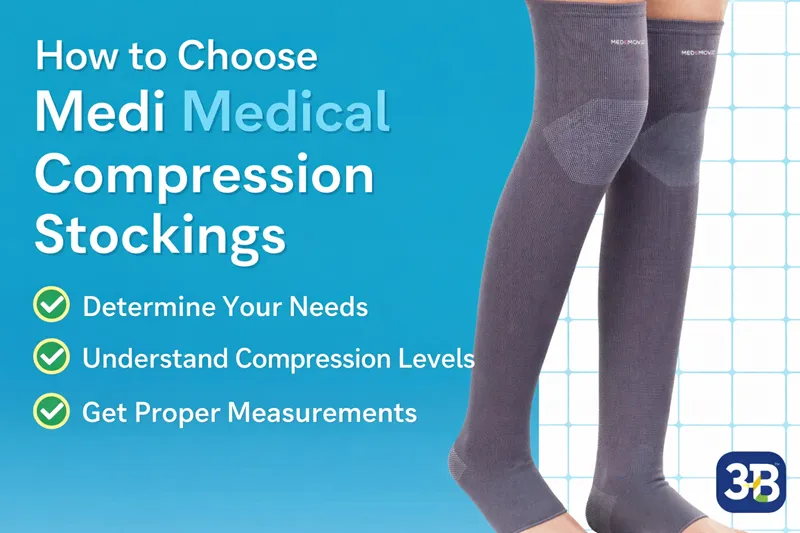
Understanding Compression Therapy Before Choosing
Stockings
Compression stockings are not simply tight garments; they
are medical devices engineered to apply controlled pressure to the legs in
order to improve venous return and reduce fluid build up. The principle behind
compression therapy lies in graduated pressure, where compression is strongest
at the ankle and gradually decreases toward the calf or thigh. This gradient
supports the natural pumping action of leg muscles, helping blood circulate
efficiently and preventing stagnation that can lead to swelling or clot
formation. Many people purchase compression stockings without understanding
their medical purpose, which often results in poor fit or ineffective use.
Aarogyaa Bharat emphasizes that selecting the correct stocking involves
evaluating circulation issues, daily activity levels, and environmental factors
such as climate and lifestyle habits.
Why Medi Medical Compression Stockings Stand Out
Medi compression stockings are known for precision
manufacturing, breathable fabrics, and clinically calibrated pressure levels
that ensure consistent therapeutic benefits. Unlike generic compression
garments, Medi stockings are designed using advanced knitting technology that
maintains elasticity while delivering accurate pressure distribution. This
level of engineering makes them suitable for medical conditions ranging from
mild leg fatigue to chronic venous insufficiency. Aarogyaa Bharat recommends focusing
on certified medical brands because improper compression can either reduce
effectiveness or create discomfort, especially for elderly users or individuals
with sensitive skin.
Step 1: Identifying Your Medical or Lifestyle Needs
The first step in choosing Medi compression stockings is
understanding the reason for using them. Some individuals need compression for
preventive purposes, such as long travel or extended standing at work, while
others require medical-grade support for conditions like varicose veins or
post-surgery recovery. Pregnant women, elderly individuals, athletes, and
office workers may all benefit from compression therapy, but the level of
pressure required varies significantly. Aarogyaa Bharat advises users to consider
symptoms such as swelling, heaviness, visible veins, or fatigue when
determining whether mild, moderate, or firm compression is appropriate.
Table: Matching Compression Needs with Usage Scenarios
|
Purpose |
Symptoms |
Recommended
Compression |
Ideal
Users |
|
Preventive
use |
Leg fatigue |
Mild (10-15
mmHg) |
Office
workers |
|
Travel
support |
Swelling
during flights |
Moderate (15-20
mmHg) |
Frequent travellers |
|
Varicose
veins |
Visible
veins, pain |
Firm (20-30
mmHg) |
Adults &
elderly |
|
Post-surgery
recovery |
Edema or DVT
risk |
Strong (30-40
mmHg) |
Doctor
prescribed |
Step 2: Choosing the Right Compression Level
Compression levels are measured in millimetres of mercury
(mmHg) and determine how much pressure the stocking applies to the leg. Mild
compression is typically used for preventive care and daily fatigue relief,
while moderate levels support mild swelling and circulation improvement. Firm
compression is often prescribed for medical conditions such as varicose veins,
and higher levels are reserved for advanced vascular disorders under
professional supervision. Selecting the wrong compression level can lead to
discomfort or insufficient therapeutic benefit, which is why Aarogyaa Bharat
recommends consulting a healthcare professional before purchasing medical-grade
stockings.
Step 3: Measuring Correctly for Proper Fit
Accurate measurement is essential for ensuring that
compression stockings provide effective support without restricting
circulation. Measurements usually include ankle circumference, calf
circumference, and leg length, taken when swelling is minimal, preferably in
the morning. A properly fitted stocking should feel snug but not painful,
allowing users to move comfortably throughout the day. Aarogyaa Bharat
highlights that many users experience poor results simply because they choose
the wrong size, making professional measurement guidance a valuable step in the
buying process.
Step 4: Understanding Material Technology and Comfort
Modern Medi compression stockings use breathable fibres that
maintain airflow while delivering consistent compression levels. Seamless
knitting reduces friction, preventing irritation during prolonged wear, which
is especially important in warm climates like India. Moisture-wicking materials
help keep the skin dry, reducing the risk of bacterial growth or odor. Aarogyaa
Bharat emphasizes that comfort is a major factor in long-term adherence, as
users are more likely to wear stockings regularly when they feel soft,
flexible, and supportive.
Step 5: Choosing Between Knee-High, Thigh-High, and
Full-Length Styles
Compression stockings are available in various lengths
depending on medical needs and lifestyle preferences. Knee-high stockings are
commonly used for preventive care and mild circulation issues, while thigh-high
or pantyhose styles provide extended coverage for advanced venous conditions.
Selecting the right length ensures that compression targets the appropriate
area of the leg without causing discomfort. Aarogyaa Bharat recommends
discussing length options with a healthcare professional to ensure optimal
therapeutic benefit.
Table: Compression Stocking Styles and Their Uses
|
Style |
Coverage
Area |
Best For |
Comfort
Level |
|
Knee-High |
Ankle to calf |
Daily fatigue
& travel |
Very High |
|
Thigh-High |
Full leg
support |
Varicose
veins |
High |
|
Pantyhose |
Waist to toe |
Pregnancy
swelling |
Moderate |
|
Open-Toe |
Breathable
option |
Warm climates |
High |
Step 6: Evaluating Durability and Long-Term Value
Durability plays a key role in choosing compression
stockings, as elasticity must remain consistent for therapeutic effectiveness.
Medi stockings are designed to maintain compression levels even after repeated
washing, making them a reliable long-term investment. Aarogyaa Bharat advises
rotating between multiple pairs to extend lifespan and maintain hygiene. Proper
maintenance, including gentle washing and air drying, helps preserve fibre
integrity and ensures consistent performance over time.
Step 7: How Lifestyle and Climate Influence Stocking
Choice
India’s warm and humid climate can make wearing tight
garments challenging, which is why breathable materials and moisture management
become essential when choosing compression stockings. Individuals who spend
long hours outdoors may prefer open-toe designs for improved airflow, while
professionals working in air-conditioned offices may prioritize discreet styles
that fit comfortably under formal clothing. Aarogyaa Bharat encourages users to
consider climate and daily routines alongside medical needs when selecting
compression garments.
Step 8: Emotional and Lifestyle Benefits of Choosing the
Right Compression Stockings
Beyond physical health, wearing properly fitted compression
stockings can significantly improve confidence by reducing swelling and
discomfort. Users often feel more energetic during daily activities, which
encourages mobility and social engagement. Elderly individuals benefit from
improved stability and reduced fatigue, while professionals experience better
endurance during long working hours. Aarogyaa Bharat believes that choosing the
right compression stocking is not only a medical decision but also a lifestyle
investment that enhances overall well-being.
Maintenance and Care Tips for Maximum Compression
Performance
Proper care ensures that compression stockings maintain
their effectiveness over time. Washing them gently with mild detergent,
avoiding hot water, and allowing them to air dry helps preserve elasticity.
Users should inspect stockings regularly for signs of stretching or thinning,
as worn-out garments may lose therapeutic pressure. Aarogyaa Bharat recommends
replacing compression stockings every few months depending on usage frequency
to maintain optimal support.
Conclusion
Choosing the right Medi Medical Compression Stockings
involves understanding compression levels, proper sizing, material comfort, and
lifestyle needs. By selecting the appropriate stocking based on medical purpose
and daily routines, users can experience improved circulation, reduced
swelling, and enhanced long-term leg health. Aarogyaa Bharat recommends
approaching compression therapy as a proactive healthcare practice that
supports mobility, comfort, and overall well-being, helping individuals maintain
an active and confident lifestyle.