Introduction
Accessibility is a fundamental requirement in both homes and workplaces, especially for individuals with mobility challenges. Whether it is a wheelchair user, a senior with a walker, or someone pushing a heavy cart, even a small doorstep or uneven surface can become a serious obstacle. A TPE (Thermoplastic Elastomer) threshold ramp offers a simple yet highly effective solution by creating a smooth transition over doorways, curbs, and raised thresholds. These ramps are designed to enhance safety, improve independence, and ensure seamless movement across different spaces. With their flexible build, slip-resistant surface, and durable performance, TPE ramps are increasingly becoming the preferred choice for modern accessibility needs. This detailed guide explains what TPE threshold ramps are, who needs them, their key benefits, and how to choose the best one for your home or office.
What Is a TPE Threshold Ramp?
A TPE threshold ramp is a mobility aid designed to bridge small elevation differences, such as door thresholds, uneven flooring, curbs, and minor steps. These ramps are made from thermoplastic elastomer, a material that combines the flexibility of rubber with the durability of plastic. This unique composition makes TPE ramps both soft underfoot and strong enough to support heavy loads. Unlike rigid metal or wooden ramps, TPE ramps adapt slightly to surface contours, providing better grip and stability. They are easy to install, require minimal maintenance, and can be used both indoors and outdoors. Because of their compact design and portability, TPE ramps are ideal for residential, commercial, and healthcare environments.
Key Features of TPE Threshold Ramps
| Feature | Why It Matters |
|---|---|
| Soft yet Sturdy Material | Offers flexibility while supporting heavy loads |
| Non-Slip Surface | Prevents slipping in wet or dry conditions |
| Lightweight Design | Easy to move, reposition, and transport |
| Weather Resistance | Suitable for indoor and outdoor use |
| High Weight Capacity | Supports wheelchairs, scooters, carts, and equipment |
| Compact Size | Fits easily at door thresholds and small steps |
| Easy Installation | No permanent fixing required |
| Low Maintenance | Simple to clean and long-lasting |
Who Needs a TPE Threshold Ramp?
Wheelchair and Mobility Scooter Users
TPE threshold ramps provide a smooth, bump-free transition over raised doorways, allowing wheelchair and scooter users to move independently without assistance. They reduce the effort required to cross thresholds and prevent sudden jolts that could destabilize the user.
Seniors with Walkers or Canes
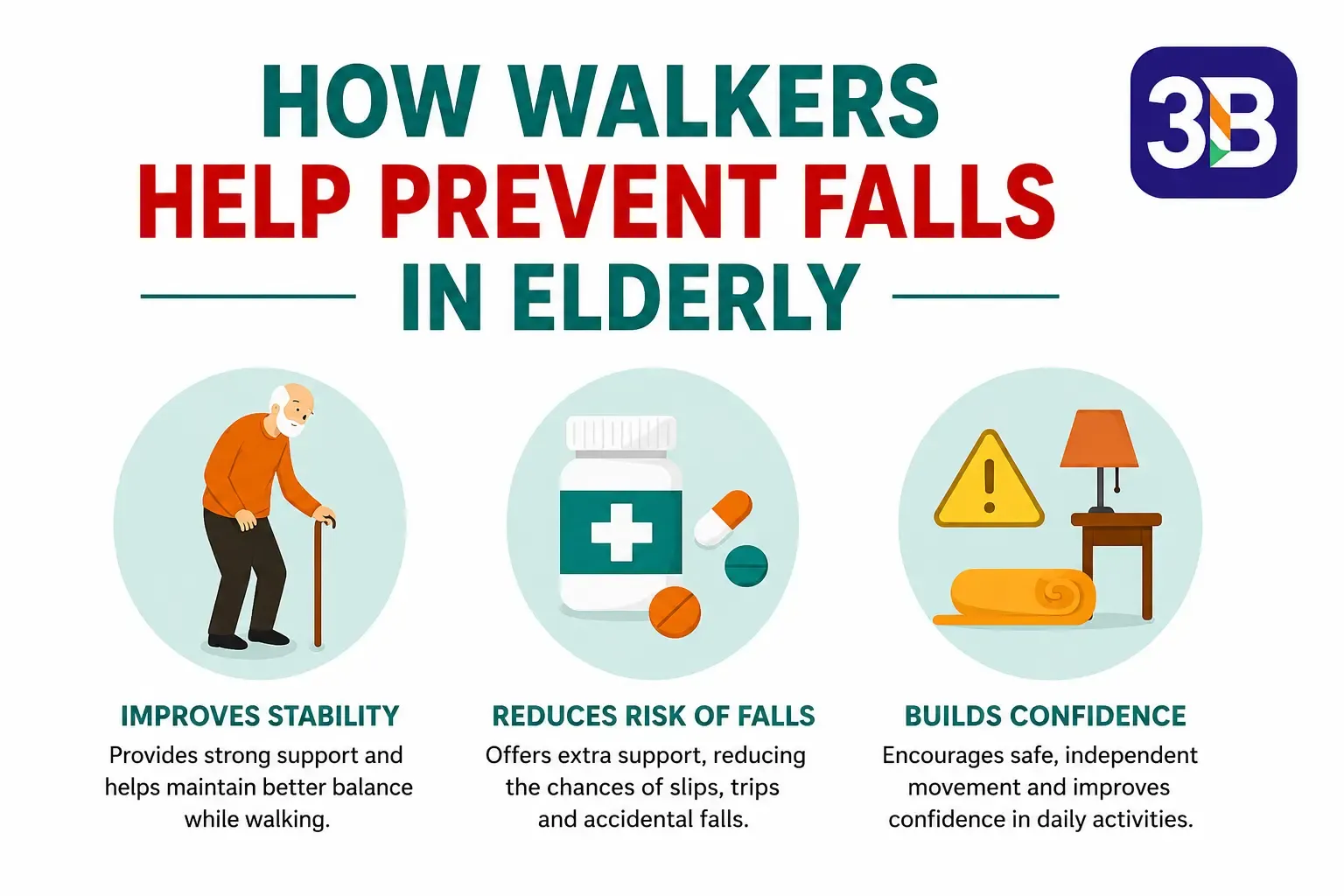
Elderly individuals using walkers or canes benefit from the stable, non-slip surface of TPE ramps. These ramps eliminate tripping hazards and provide a safe walking path across uneven flooring, helping reduce the risk of falls and injuries.
Businesses and Offices
Commercial spaces can enhance inclusivity by installing TPE ramps at entrances and internal thresholds. This ensures compliance with accessibility regulations and creates a welcoming environment for employees and visitors with mobility needs.
Caregivers and Medical Facilities
Hospitals, nursing homes, and rehabilitation centers use TPE threshold ramps to assist patients who face mobility challenges. These ramps support smooth wheelchair transfers and improve patient safety during daily movement.
Homes with Small Steps or Uneven Floors
Households with raised door sills, patios, or garage entrances can use TPE ramps to make everyday movement easier. They are also useful for baby strollers, shopping trolleys, and heavy carts.
How to Select the Best TPE Threshold Ramp
1. Consider the Height and Slope
The first step in choosing a TPE ramp is measuring the height of the threshold where it will be installed. The slope of the ramp should be gradual to ensure safe and easy access. For wheelchair users, a 1:12 slope ratio (one inch of rise per twelve inches of ramp length) is widely recommended. A longer ramp provides a gentler incline, making it safer for both manual and electric wheelchairs.
2. Check the Weight Capacity
Always ensure that the ramp can support the combined weight of the user and their mobility device. Most high-quality TPE ramps support weight capacities ranging from 250 kg to 500 kg. Choosing a higher capacity ramp adds an extra margin of safety and ensures long-term durability.
3. Look for Non-Slip Features
Safety is critical, especially in wet or high-traffic areas. A good TPE ramp should have a textured or grooved surface to enhance traction. Some models include rubberized grip patterns that further reduce the risk of slipping, making them suitable for bathrooms, balconies, and outdoor entrances.
4. Evaluate the Width and Length
The ramp should be wide enough to accommodate all intended mobility devices comfortably. Standard widths typically range from 70 cm to 100 cm. Wider ramps offer better stability and easier navigation. Longer ramps provide smoother access by reducing the steepness of the incline.
5. Durability and Weather Resistance
High-quality TPE ramps are designed to withstand moisture, UV exposure, and temperature fluctuations. This makes them ideal for both indoor and outdoor use. Always ensure that the ramp material does not crack, warp, or deform over time, even with frequent use.
6. Ease of Installation and Portability
Some TPE threshold ramps come with pre-installed adhesive backing for quick setup, while others simply rest in place due to their weight and grip. Lightweight models allow easy relocation, which is useful for rented homes or changing accessibility needs.
7. Aesthetics and Design
Choose a ramp that blends seamlessly with your home or office décor. TPE ramps are available in various colors and finishes, allowing you to match them with flooring or entrance designs without compromising visual appeal.
Benefits of Using a TPE Threshold Ramp
| Benefit | How It Helps |
|---|---|
| Safety and Fall Prevention | Reduces the risk of trips and accidents |
| Enhanced Independence | Allows users to move freely without assistance |
| Improved Workplace Accessibility | Supports inclusive environments and regulatory compliance |
| Multipurpose Use | Works for wheelchairs, scooters, walkers, carts, and strollers |
| Long-Lasting Performance | Durable material ensures long-term reliability |
| Low Maintenance | Easy to clean and requires minimal upkeep |
| Cost-Effective Solution | More affordable than permanent accessibility installations |
Best Places to Use a TPE Threshold Ramp
Home Use:
• Doorways
• Balconies and patios
• Bathroom entrances
• Garage entry points
Office and Commercial Spaces:
• Office door thresholds
• Shopping malls and retail stores
• Restaurants and cafés
• Hospitals and clinics
Vehicle Accessibility:
• Vans and buses for wheelchair access
• Cargo loading areas
• Mobile clinics and transport vehicles
Installation Tips for TPE Threshold Ramps
Before purchasing a ramp, measure the threshold height accurately to ensure a proper fit. Clean the surface thoroughly before installation to improve grip and prevent slipping. If the ramp includes adhesive strips or screw fittings, use them for additional stability, especially in high-traffic areas. After installation, test the ramp with a wheelchair or walker to check for smooth movement and overall stability. Regularly inspect the ramp for wear and ensure it remains firmly positioned.
Conclusion
A TPE threshold ramp is an essential accessibility solution for both homes and offices seeking to improve safety and mobility. By considering factors such as height, slope, weight capacity, and slip resistance, you can choose the perfect ramp to meet your specific needs. These ramps offer a balance of durability, portability, and affordability, making them a practical long-term investment.
For reliable, high-quality TPE threshold ramps designed for modern accessibility needs, Aarogyaa Bharat offers trusted solutions that combine safety, comfort, and durability.