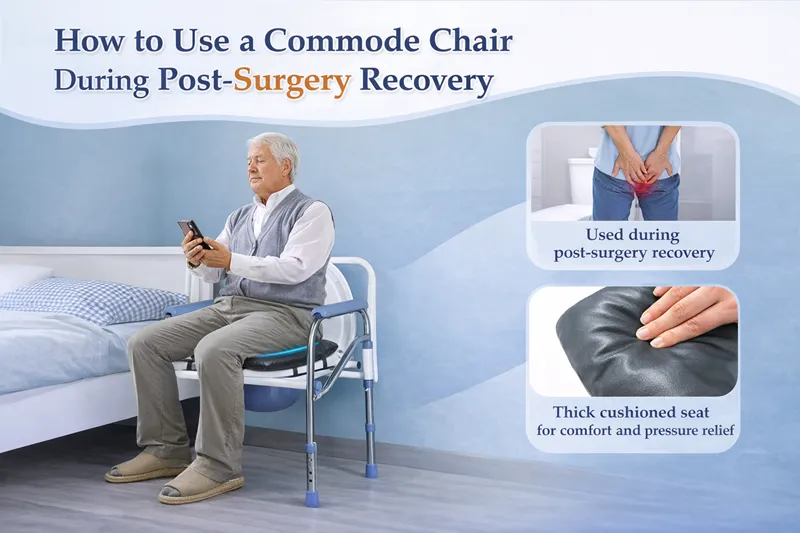
This is where a commode chair for post-surgery recovery
becomes an essential home-care aid. It is not merely a convenience but a
critical safety tool that supports healing, prevents complications, and
preserves dignity during recovery. At Aarogyaa Bharat, commode chairs are
considered a foundational element of post-operative home care because they
directly address comfort, hygiene, and safety during the most vulnerable phase
of recovery.
Why Toileting Becomes Difficult After Surgery
After surgery, the body is often weak, sensitive, and
adjusting to trauma caused by incisions, anaesthesia, and prolonged immobility.
Patients may experience pain, stiffness, dizziness, swelling, or reduced muscle
control. Pain medications can cause drowsiness or imbalance, increasing the
risk of falls. For surgeries involving the knees, hips, spine, abdomen, or
heart, doctors often advise patients to avoid bending, squatting, or excessive
walking. In such conditions, using a regular toilet whether Indian or western can
place undue stress on healing joints and surgical sites. A commode chair
reduces these risks by allowing patients to use the toilet with minimal
movement and controlled posture.
What Is a Commode Chair and How It Helps in Post-Surgery
Recovery
A commode chair is a portable toilet chair designed to be
used near the bed or resting area. It typically includes a sturdy frame, a seat
with a central opening, armrests for support, and a removable bucket for waste
collection. Some models include back support, padded seating, height
adjustment, or wheels with brakes. For post-surgery patients, the commode chair
allows toileting without walking long distances or performing painful movements
such as squatting or bending. By bringing the toilet closer to the patient, it
supports adherence to medical advice and reduces strain on healing tissues.
When a Commode Chair Is Recommended After Surgery
A commode chair is commonly recommended after surgeries that
limit mobility or require movement restrictions. This includes knee
replacement, hip replacement, spinal surgery, abdominal surgery, cardiac
procedures, and surgeries requiring bed rest or assisted movement. It is also
useful after prolonged hospitalization where muscle weakness and fatigue are
common. Even surgeries considered minor can temporarily affect balance and
strength, making a commode chair a valuable preventive measure. Many doctors
and physiotherapists suggest using a commode chair during the initial weeks of
recovery to avoid falls and setbacks.
Benefits of Using a Commode Chair During Post-Surgery
Recovery
One of the biggest benefits of a commode chair is fall
prevention. Falls during post-surgery recovery can lead to severe
complications, including re-injury, delayed healing, or additional surgeries. A
commode chair minimizes walking and provides stable support during sitting and
standing. It also reduces pain by preventing excessive bending and pressure on
surgical sites. For patients, this means less discomfort and more confidence in
daily activities. For caregivers, it reduces physical strain and anxiety associated
with assisting the patient to the bathroom multiple times a day or night.
Importance of Bedside Placement During Recovery
Placing the commode chair near the bed is especially
important during the early stages of recovery. Patients often need to use the
toilet urgently, particularly at night, when fatigue and low lighting increase
fall risk. Bedside placement allows the patient to move only a short distance,
conserving energy and reducing pain. It also allows caregivers to assist more
easily without lifting or rushing. This proximity supports both physical safety
and emotional comfort during recovery.
Types of Commode Chairs Suitable for Post-Surgery
Patients
Different surgeries and recovery levels require different
types of commode chairs. Fixed bedside commode chairs are suitable for patients
who can sit with minimal assistance and do not need to be moved frequently.
Height-adjustable commode chairs help align the seat with bed height, making
transfers easier and safer. Wheelchair commode chairs are ideal for patients
with very limited mobility who need to be moved from bed to chair without
standing. Reclining commode chairs may be recommended for patients who cannot
sit upright for long periods. Choosing the right type depends on the surgery
performed, the patient’s strength, and the level of caregiver support
available.
Comfort and Ergonomics During Recovery
Comfort is a critical factor in post-surgery recovery
because discomfort can discourage movement and negatively affect healing. A
good commode chair provides a comfortable seat with smooth edges that reduce
pressure on sensitive areas. Armrests help patients lower themselves gently and
push up without straining healing joints. Proper seat height ensures that the
patient’s feet rest flat on the floor, improving balance and reducing joint
stress. For patients recovering from lower-body surgeries, these ergonomic
features significantly reduce pain and fear during toileting.
Safety Features That Matter After Surgery
Post-surgery patients are particularly vulnerable to slips
and sudden movements. A commode chair with a stable frame, anti-slip rubber
legs, or lockable wheels enhances safety. Armrests and back support provide
additional stability. The chair should always be placed on a flat, dry surface.
These safety features work together to create a controlled environment that
supports recovery rather than risking setbacks.
Hygiene and Infection Control in Post-Surgery Care
Maintaining hygiene is crucial after surgery to prevent
infections and complications. Commode chairs use removable buckets that can be
cleaned and disinfected after each use. High-quality buckets are made from
non-porous materials that resist odor and staining. Regular cleaning routines
ensure a hygienic environment, which is especially important for patients with
surgical wounds or weakened immunity. Compared to bedpans, commode chairs offer
better posture, reduced spillage, and improved cleanliness.
Commode Chair vs Bedpan for Post-Surgery Recovery
Bedpans are often used immediately after surgery but can be
uncomfortable and difficult for patients with pain or limited movement. They
require the patient to lie flat or be turned, which can strain surgical sites.
A commode chair allows the patient to sit in a more natural position, improving
comfort and bowel movement ease. It also reduces caregiver effort and improves
hygiene, making it a better option once the patient can sit with support.
Commode Chair vs Regular Toilet After Surgery
Using a regular toilet too soon after surgery can be risky.
Walking to the bathroom, lowering onto the toilet, and standing up again may
violate post-surgical movement restrictions. A commode chair allows patients to
follow medical advice by limiting movement while still meeting basic needs. It
acts as a transitional aid until the patient regains sufficient strength and
balance to safely use the bathroom.
Renting or Buying a Commode Chair for Recovery
For short-term recovery periods, renting a commode chair is
often practical and cost-effective. It avoids long-term storage concerns once
recovery is complete. For patients expected to have prolonged recovery or
ongoing mobility issues, buying a commode chair may be more suitable. Aarogyaa
Bharat offers both rental and purchase options to match different recovery
timelines and care needs.
Price Considerations and Value During Recovery
Commode chair prices vary based on type, build quality, and
features such as wheels, padding, or adjustability. While cost is important,
safety and comfort should always take priority during post-surgery recovery. A
reliable commode chair reduces the risk of falls, caregiver injuries, and
medical complications, making it a valuable investment in safe recovery.
Comparison Table: Toileting Options After Surgery
|
Option |
Safety
Level |
Comfort |
Caregiver
Effort |
Suitability
for Recovery |
|
Commode Chair |
Very High |
High |
Moderate |
Excellent |
|
Bedpan |
Low |
Low |
High |
Limited |
|
Regular
Toilet |
Low |
Medium |
High |
Not
Recommended Early |
Common Mistakes Families Make After Surgery
Many families delay using a commode chair, assuming the patient can manage with a regular toilet, which increases fall risk. Others choose a chair without checking height compatibility with the bed, making transfers painful. Ignoring armrest strength or stability can also compromise safety. Proper planning before discharge from the hospital helps avoid these issues.
Conclusion
A commode chair for post-surgery recovery plays a crucial role in safe, comfortable, and dignified healing at home. It reduces fall risk, protects surgical sites, improves hygiene, and eases caregiver responsibilities. By choosing the right commode chair based on surgery type, patient mobility, and recovery duration, families can significantly enhance the recovery experience. Aarogyaa Bharat remains committed to supporting safe and effective post-surgical home care with reliable healthcare solutions.