When oxygen levels drop, the heart and lungs must work harder to compensate, leading to fatigue, breathlessness, dizziness, and in severe cases, organ damage or life-threatening complications.
In India, cases of low oxygen saturation have become increasingly common due to rising air pollution, chronic respiratory diseases, post-COVID lung damage, and lifestyle-related health issues. Many families are now turning to oxygen concentrators for home use as a safe and reliable solution to manage hypoxia without repeated hospital visits. At Aarogyaa Bharat, we help patients and caregivers choose medically appropriate oxygen concentrators based on their saturation levels, disease condition, and daily oxygen needs.
What Is Low Oxygen Saturation (Hypoxia)?
Low oxygen saturation means that the blood is not carrying enough oxygen to supply the body’s tissues and organs effectively. Oxygen enters the bloodstream through the lungs and binds to hemoglobin in red blood cells, which then transport it to vital organs like the brain, heart, kidneys, and muscles. When this process is disrupted due to lung disease, infection, or impaired breathing, oxygen saturation levels begin to fall below the safe threshold.
Hypoxia can be acute (sudden onset) or chronic (long-term), and both forms are dangerous if not treated promptly. Acute hypoxia is often seen in pneumonia, COVID-19, asthma attacks, or pulmonary embolism, while chronic hypoxia is common in COPD, interstitial lung disease, sleep apnea, and advanced heart failure. Regardless of the cause, persistent low oxygen levels can lead to confusion, irregular heartbeat, high blood pressure in the lungs, and gradual organ failure if left unmanaged.
Common Causes of Low Oxygen Saturation
Low oxygen saturation can occur due to a wide range of medical and environmental factors that interfere with normal lung function or oxygen delivery. Chronic lung conditions such as COPD, asthma, bronchitis, and emphysema are among the most common causes, as they restrict airflow and reduce oxygen absorption capacity. Infections like pneumonia and tuberculosis inflame lung tissue and fill air sacs with fluid, making it harder for oxygen to pass into the bloodstream.
Post-COVID lung fibrosis has also emerged as a major contributor to long-term hypoxia, even in patients who have recovered from the acute phase of the infection. Other causes include heart failure, obesity-related breathing disorders, sleep apnea, high-altitude exposure, and severe anemia. In all these conditions, oxygen concentrators play a critical role in stabilizing oxygen saturation levels and preventing further health deterioration.
When Do You Need an Oxygen Concentrator for Low Oxygen Levels?
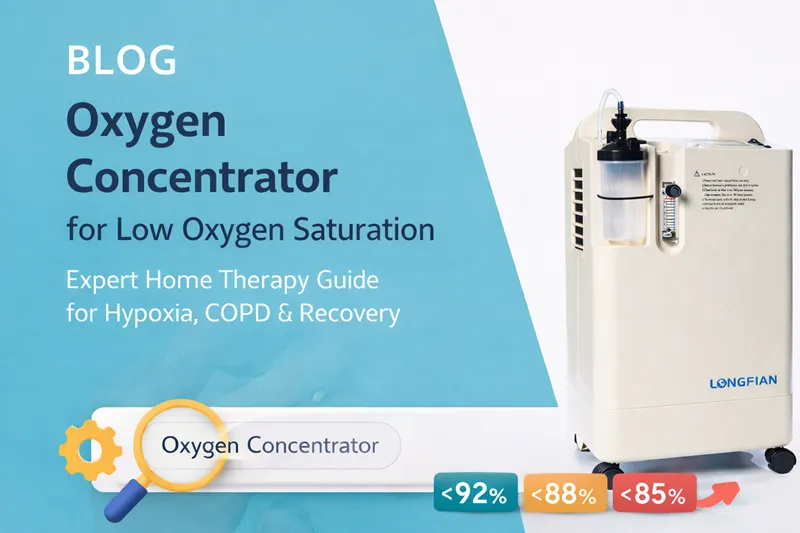
An oxygen concentrator is usually recommended when a patient’s oxygen saturation consistently falls below 92%, especially during rest, sleep, or mild physical activity. Doctors often prescribe oxygen therapy for patients whose SpO₂ drops to 88–90% or lower, as this range significantly increases the risk of heart strain, brain damage, and respiratory failure. However, even patients with borderline saturation levels may benefit from oxygen support if they experience breathlessness, fatigue, chest discomfort, or sleep disturbances.
Home oxygen concentrators are particularly useful for patients who require long-term oxygen therapy (LTOT) due to chronic lung disease or prolonged recovery from respiratory infections. They allow patients to receive continuous oxygen support without the logistical challenges and safety risks associated with oxygen cylinders. At Aarogyaa Bharat, we always recommend that oxygen concentrators be used strictly under medical guidance to ensure correct flow rate and safe therapy duration.
How an Oxygen Concentrator Helps in Low Oxygen Saturation
An oxygen concentrator works by drawing in ambient air, filtering out nitrogen and other gases, and delivering high-purity oxygen (90–96%) to the patient through a nasal cannula or oxygen mask. Unlike oxygen cylinders, which store a finite amount of compressed oxygen, concentrators produce oxygen continuously as long as they are connected to a power source. This makes them ideal for long-term home use, especially for patients who need oxygen support for several hours or around the clock.
For patients with low oxygen saturation, concentrators help stabilize SpO₂ levels by supplying supplemental oxygen that the lungs are unable to extract efficiently from the surrounding air. This reduces strain on the heart, improves brain function, enhances sleep quality, and boosts overall energy levels. Over time, consistent oxygen therapy can slow disease progression, prevent hospital readmissions, and significantly improve quality of life for patients with chronic respiratory conditions.
Types of Oxygen Concentrators for Low Oxygen Saturation
1. Low-Flow Oxygen Concentrators (1–3 LPM)
Low-flow oxygen concentrators are suitable for patients with mild hypoxia who require light oxygen supplementation during rest or sleep. These machines are compact, energy-efficient, and quiet, making them ideal for home bedrooms and senior care environments. They are commonly used by elderly patients with occasional breathlessness, post-COVID fatigue, or early-stage COPD who need 1–2 liters of oxygen per minute to maintain healthy saturation levels.
These concentrators are also popular for temporary oxygen therapy after minor respiratory infections or surgeries. However, they are not suitable for patients whose oxygen needs may increase suddenly or who require continuous high-flow oxygen support. At Aarogyaa Bharat, we recommend low-flow models only when medically prescribed and supported by stable SpO₂ readings.
2. Medium-Flow Oxygen Concentrators (1–5 LPM)
Medium-flow concentrators are the most widely used category for home oxygen therapy in India due to their versatility and reliability. These machines provide adjustable oxygen flow rates that can accommodate changing medical needs, making them ideal for patients with moderate hypoxia, COPD stage 2–3, pneumonia recovery, and post-COVID lung damage.
High-quality 5 LPM concentrators maintain consistent oxygen purity even at higher flow settings, ensuring effective therapy throughout the day and night. They are designed for 24/7 operation and often include built-in safety alarms, humidifier compatibility, and advanced filtration systems. At Aarogyaa Bharat, medium-flow concentrators are the most recommended option for long-term home oxygen therapy.
3. High-Flow Oxygen Concentrators (5–10 LPM)
High-flow oxygen concentrators are предназначены for patients with severe hypoxia who require sustained high oxygen volumes for survival and comfort. These machines are equipped with heavy-duty compressors and advanced cooling systems to support continuous high-output performance without overheating or pressure loss.
They are typically prescribed for patients with severe COPD, advanced pneumonia, interstitial lung disease, or ICU-level home care needs. While high-flow concentrators are larger and consume more electricity, they provide the stability and reliability needed for critical oxygen therapy. At Aarogyaa Bharat, we offer medically certified 10 LPM concentrators for patients who require high-volume oxygen support at home.
How to Choose the Right Oxygen Concentrator for Low Saturation
Low oxygen saturation, medically referred to as hypoxemia, occurs when the level of oxygen in the blood falls below the healthy range needed for normal organ function. For most healthy individuals, blood oxygen saturation (SpO₂) should remain between 95% and 100%, and anything below 92% is considered a warning sign that requires medical attention. Other critical factors include oxygen purity consistency, noise levels, electricity consumption, portability needs, and availability of service support. Patients who require oxygen during travel or outdoor activities may benefit from a portable concentrator, while those with severe hypoxia usually need a stationary high-flow model. At Aarogyaa Bharat, we provide personalized consultations to help families select the most suitable concentrator based on their specific medical and practical requirements.
Oxygen Saturation Levels and Recommended Flow Rates
| SpO₂ Level (%) | Condition Severity | Typical Flow Rate |
|---|---|---|
| 92–95% | Mild Hypoxia | 1–2 LPM |
| 88–91% | Moderate Hypoxia | 2–4 LPM |
| 85–87% | Severe Hypoxia | 5–8 LPM |
| Below 85% | Critical Hypoxia | 8–10 LPM |
Always follow your doctor’s prescription when selecting oxygen flow rates.
Safety Guidelines for Using an Oxygen Concentrator at Home
Using an oxygen concentrator safely is essential to prevent accidents and ensure effective therapy. The machine should be placed in a well-ventilated area at least 12–18 inches away from walls to allow proper airflow and cooling. Avoid placing it near open flames, smoking areas, or flammable materials, as oxygen increases the risk of fire hazards.
Regular cleaning of filters, humidifier bottles, and oxygen tubing is also crucial to prevent bacterial growth and maintain oxygen purity. Patients should monitor their oxygen saturation levels daily using a pulse oximeter and report any unusual symptoms or sudden drops in SpO₂ to their doctor immediately. At Aarogyaa Bharat, we provide complete installation guidance and ongoing support to ensure safe and trouble-free home oxygen therapy.
Why Choose Aarogyaa Bharat for Oxygen Concentrators?
At Aarogyaa Bharat, we specialize in delivering medically certified oxygen concentrators that meet international safety and performance standards. Our product range includes 3 LPM, 5 LPM, and 10 LPM models suitable for mild to severe hypoxia, along with portable options for patients who require mobility.
We offer doorstep delivery, professional installation, rental plans for short-term needs, and comprehensive after-sales support across major Indian cities. Our team works closely with doctors and caregivers to ensure that each patient receives the right oxygen therapy solution tailored to their medical condition. With Aarogyaa Bharat, families gain not just a machine, but a complete respiratory care partner.
Conclusion
Low oxygen saturation is a serious medical condition that requires timely intervention and consistent management to prevent life-threatening complications. Oxygen concentrators provide a safe, reliable, and long-term solution for maintaining healthy oxygen levels in patients with chronic lung disease, post-COVID complications, and acute respiratory infections.
By choosing the right oxygen concentrator and following proper medical guidance, patients can significantly improve their breathing comfort, energy levels, and overall quality of life. For expert advice, certified equipment, and reliable home delivery, trust Aarogyaa Bharat - India’s dependable home healthcare partner.