Introduction
Shoulder injuries, joint stiffness, and post-surgery rehabilitation often require consistent physiotherapy to restore full mobility and strength. One of the most effective and widely used tools in both physiotherapy clinics and home rehabilitation setups is the shoulder wheel. This simple yet powerful device helps improve shoulder range of motion, flexibility, muscle coordination, and overall joint function. Whether someone is recovering from a rotator cuff injury, managing frozen shoulder, or regaining strength after surgery, a shoulder wheel provides controlled, low-impact movement that supports safe healing. With regular use, it can significantly reduce pain, stiffness, and movement limitations. In this detailed guide, we explain what a shoulder wheel is, how it works, its benefits, step-by-step usage instructions, recommended exercises, safety tips, and who can benefit most from using it.
What Is a Shoulder Wheel?
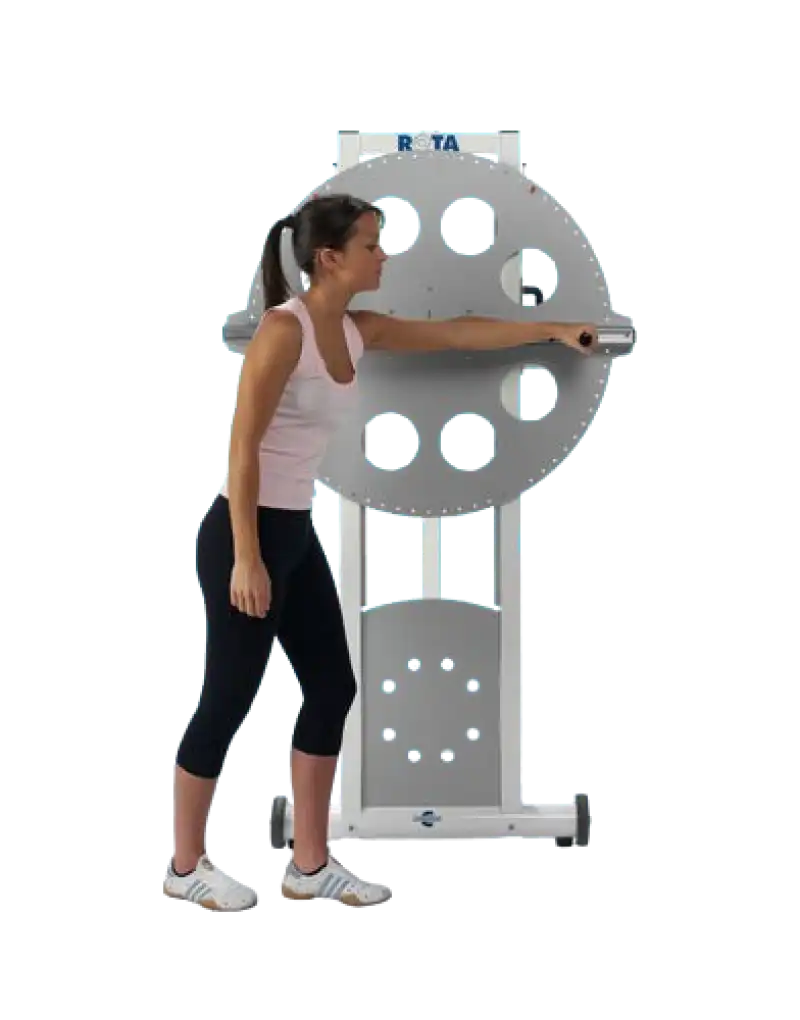
A shoulder wheel is a rotating physiotherapy device designed to help individuals regain mobility in their shoulder joints through controlled circular motion. It consists of a wheel mounted on a wall, stand, or ceiling, with a handle that the user rotates using one arm at a time. This repetitive circular movement gently stretches the shoulder muscles, ligaments, and joint capsule, improving flexibility and reducing stiffness. Shoulder wheels are commonly used in physiotherapy clinics, hospitals, and home rehabilitation programs for conditions such as frozen shoulder, arthritis, rotator cuff injuries, and post-operative recovery. Because the movement is smooth and adjustable, it allows users to progress gradually without putting excessive strain on the joint. This makes it suitable for people at different stages of recovery, from early rehabilitation to advanced strengthening.
Types of Shoulder Wheels
Wall-Mounted Shoulder Wheel
A wall-mounted shoulder wheel is fixed securely to a wall and offers stable, controlled movement. It is commonly used in physiotherapy clinics and rehabilitation centers because it allows users to adjust the height and resistance for customized exercise sessions. This type is ideal for long-term use and provides consistent support for structured therapy programs.
Portable Shoulder Wheel
A portable shoulder wheel is a compact and lightweight version designed for home use or small clinics. It can be placed on a table or mounted temporarily, making it convenient for individuals who need daily physiotherapy at home. While smaller in size, it still delivers effective range-of-motion exercises for shoulder recovery.
Ceiling or Stand-Mounted Shoulder Wheel
This type is typically found in advanced physiotherapy centers and hospitals. It offers a wider range of motion and greater resistance options, making it suitable for patients in later stages of rehabilitation or those requiring intensive therapy. It is especially useful for restoring overhead movement and shoulder endurance.
Benefits of Using a Shoulder Wheel
Improved Shoulder Mobility
A shoulder wheel helps increase the range of motion in stiff or injured shoulders by promoting gentle, continuous movement. Over time, this reduces joint tightness and improves flexibility, making everyday activities like reaching, lifting, and dressing easier.
Pain Reduction
Regular shoulder wheel exercises help relieve pain associated with frozen shoulder, arthritis, and muscle tension. The slow, controlled motion improves blood circulation around the joint, which supports healing and reduces inflammation.
Post-Surgery Recovery
Shoulder wheels are widely used in post-operative rehabilitation programs following rotator cuff repair, shoulder joint replacement, or fracture healing. They help restore movement safely without placing sudden stress on the surgical area.
Strengthens Shoulder Muscles
By engaging key muscle groups such as the deltoids, rotator cuff muscles, and upper back muscles, shoulder wheels support gradual strengthening. Adjustable resistance settings allow users to progress as their strength improves.
Enhances Coordination and Control
The smooth circular motion promotes better muscle coordination and motor control. This is especially beneficial for patients recovering from neurological conditions or long periods of immobilization.
How to Use a Shoulder Wheel Correctly
Step 1: Adjust the Wheel’s Height
Set the shoulder wheel at chest or shoulder level so that the handle can be reached comfortably without overextending your arm. Proper height positioning ensures natural movement and prevents unnecessary strain on the shoulder joint.
Step 2: Maintain Proper Posture
Stand straight with your feet shoulder-width apart to maintain balance and stability. Keep your back aligned and shoulders relaxed to avoid putting extra pressure on the spine or neck during exercise.
Step 3: Start with Small Movements
Hold the handle firmly and begin with slow, controlled rotations. Rotate the wheel in one direction for 10 to 15 repetitions, then switch to the opposite direction. Keep the movement smooth and steady without forcing the joint.
Step 4: Gradually Increase Range of Motion
As flexibility improves, increase the size of the circular motion to stretch the shoulder joint further. If your shoulder wheel has adjustable resistance, increase it slightly to add gentle strength training.
Step 5: Perform Regular Sessions
Start with 5 to 10 minutes per session and gradually increase the duration based on comfort and recovery progress. Consistency is essential for noticeable improvement in shoulder mobility and strength.
Shoulder Wheel Exercises for Different Needs
Basic Range of Motion Exercise (For Stiff Shoulders)
Stand upright and rotate the wheel forward and backward using slow, controlled movements. Perform two sets of ten repetitions on each side. This exercise is ideal for beginners and individuals with mild stiffness.
Resistance Training (For Muscle Strengthening)
If your shoulder wheel includes adjustable resistance, increase the tension slightly. Rotate the wheel against resistance to build muscle endurance and strength. Perform three sets of eight to ten repetitions for optimal results.
Cross-Body Motion (For Improved Flexibility)
Rotate the wheel diagonally across the body to engage different shoulder muscles. This movement is especially beneficial for post-surgery rehabilitation and improving overall joint flexibility. Perform two sets of twelve repetitions.
Full Arm Circles (For Advanced Recovery)
Rotate the wheel in full circular motions while fully extending the arm. This exercise supports recovery from frozen shoulder and rotator cuff injuries. Perform three sets of ten repetitions on each arm for balanced strength.
Who Should Use a Shoulder Wheel?
A shoulder wheel is suitable for a wide range of individuals, including those experiencing shoulder stiffness, frozen shoulder, or arthritis. It is highly beneficial for post-surgery patients recovering from shoulder operations and athletes rehabilitating sports-related injuries. Elderly individuals who need gentle mobility exercises can also use it safely to maintain joint flexibility. Physiotherapy clinics, hospitals, and home users frequently rely on shoulder wheels as part of structured rehabilitation programs. However, it is always recommended to consult a physiotherapist before starting a new exercise routine, especially after surgery or severe injury.
Safety Tips for Using a Shoulder Wheel
Avoid overstretching and stop immediately if you feel sharp or severe pain. Always start with a comfortable range of motion and increase gradually. Maintain a neutral spine to prevent back strain and ensure proper posture during exercises. Use both arms evenly to avoid muscular imbalances between shoulders. Increase resistance slowly and never rush into high-intensity settings. Perform warm-up and cool-down stretches before and after sessions to prepare muscles and prevent stiffness. If pain persists or worsens, discontinue use and consult a physiotherapist for guidance.
Conclusion
A shoulder wheel is a highly effective physiotherapy tool for restoring shoulder mobility, reducing stiffness, and strengthening muscles. Whether someone is recovering from surgery, managing frozen shoulder, or improving overall flexibility, regular use of a shoulder wheel can significantly accelerate recovery and enhance daily movement. Its gentle, controlled motion makes it suitable for people of all ages and recovery stages.
For high-quality physiotherapy equipment designed for safety, durability, and long-term use, Aarogyaa Bharat offers trusted shoulder wheels that support effective rehabilitation and faster recovery.