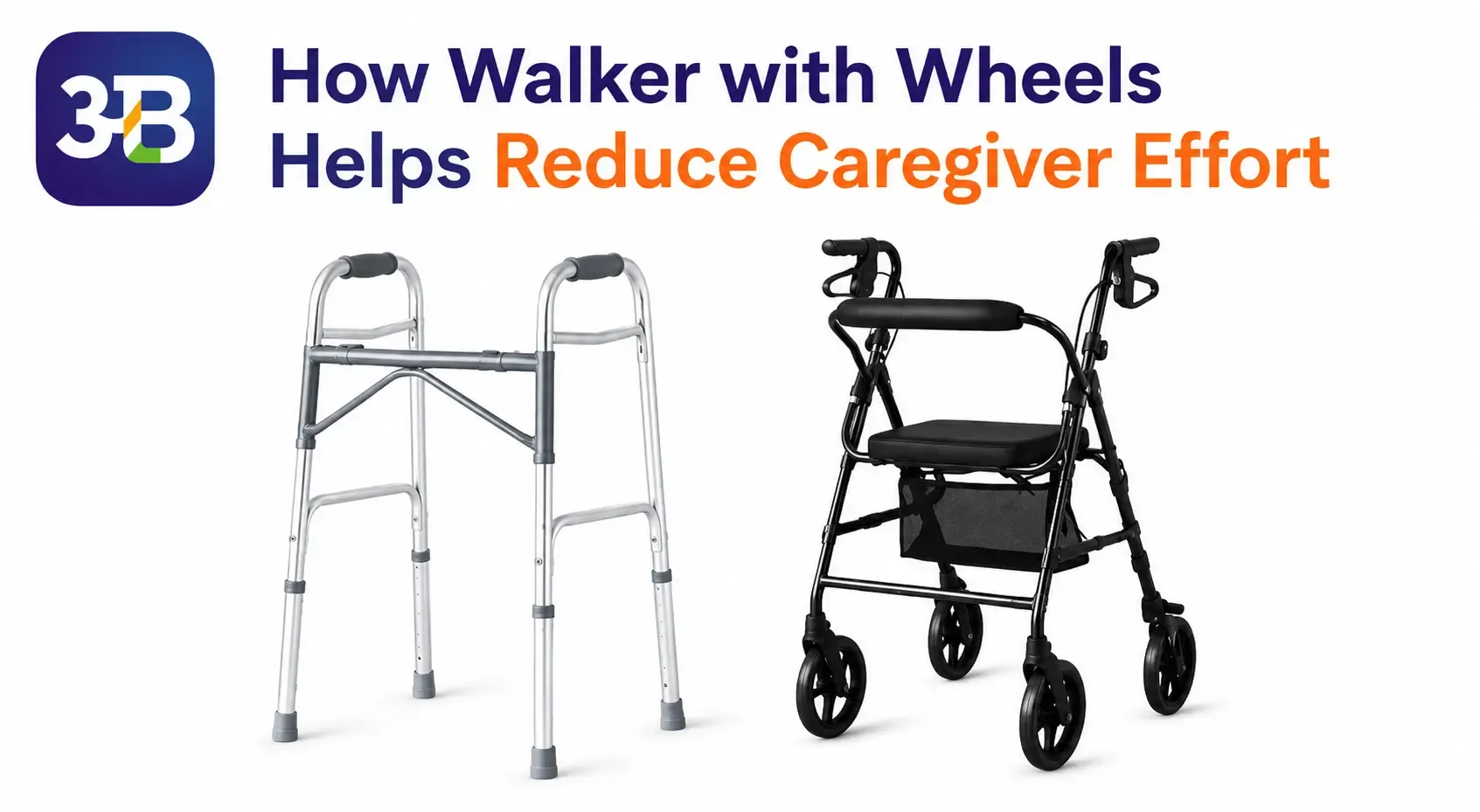
Caring for an elderly family member can be physically and
emotionally demanding, especially when they require assistance with walking,
standing, and moving around the home. Caregivers often help seniors perform
routine activities such as going to the bathroom, attending medical
appointments, preparing meals, or simply walking safely from one room to
another. Repeated lifting and supporting can lead to fatigue, muscle strain,
and even injuries for caregivers. A walker with wheels offers a practical
solution by improving mobility while reducing the amount of physical assistance
required. Its smooth movement allows seniors to walk more naturally with less
effort, helping them regain confidence and independence during recovery or
everyday life. This not only supports elderly users but also makes caregiving
safer, easier, and less physically demanding. Families looking for dependable
mobility solutions can explore Mobility Aids designed to improve both
patient safety and caregiver convenience.
Why Caregivers Need Better Mobility Solutions
Providing daily assistance to elderly individuals often
involves helping them stand up, maintain balance, and walk safely across
different areas of the home. These repetitive tasks can become physically
exhausting, particularly when caring for someone recovering from surgery,
stroke, fractures, or chronic joint problems. Over time, lifting or supporting
body weight may contribute to back pain, shoulder strain, and fatigue for
caregivers. Modern mobility aids such as walkers with wheels reduce these challenges
by allowing seniors to move more independently while still maintaining
excellent stability. This reduces the amount of direct physical support
required and lowers the risk of injury for both the caregiver and the patient.
Creating a safer home environment with Home Healthcare Products further
improves daily caregiving while encouraging elderly independence.
What Is a Walker with Wheels?
A walker with wheels is an advanced mobility aid designed to
provide stable walking support while allowing smoother forward movement. Unlike
standard walkers that must be lifted with every step, wheeled walkers glide
across the floor with minimal effort, making walking more comfortable for
elderly users. Most models include two front wheels or four-wheel rollator
designs, depending on the user's mobility needs. Many wheeled walkers also
feature ergonomic hand grips, adjustable height settings, brakes, storage
pouches, and comfortable seats for resting during longer walks. These features
make wheeled walkers particularly useful for seniors recovering from surgery,
individuals with arthritis, and anyone experiencing reduced balance or muscle
weakness. Healthcare professionals frequently recommend combining wheeled
walkers with Rehabilitation Equipment for structured recovery programs.
How Wheeled Walkers Reduce Physical Strain on Caregivers
One of the biggest advantages of a walker with wheels is the
reduction in physical effort required from caregivers. Because the walker moves
smoothly, elderly users require less lifting, pushing, and manual support while
walking. Caregivers no longer need to continuously stabilize the patient during
short walks around the house, reducing repetitive bending and heavy lifting.
This is especially beneficial when assisting heavier patients or individuals
recovering from orthopedic surgery. Less physical strain helps caregivers
conserve energy while reducing the risk of back injuries and muscle fatigue.
The increased independence provided by wheeled walkers also allows caregivers
to focus on medication management, nutrition, and emotional support rather than
constant mobility assistance. Many patients also benefit from Orthopedic
Supports that further improve walking comfort during recovery.
How Wheeled Walkers Improve Elderly Independence
Maintaining independence is essential for both physical and
emotional well-being during aging. A walker with wheels enables seniors to
perform many daily activities without requiring continuous assistance from
family members or caregivers. They can move safely between rooms, visit the
bathroom independently, prepare light meals, attend physiotherapy sessions, or
enjoy short outdoor walks with greater confidence. This independence helps
improve self-esteem while reducing feelings of helplessness that often develop
after surgery or illness. As elderly individuals become more comfortable using
their walker, they rely less on caregivers for routine movement, allowing them
to maintain greater control over their daily lives. Monitoring overall recovery
with Healthcare Calculators may also help individuals better understand
their rehabilitation progress.
Daily Activities Made Easier with a Walker with Wheels
A wheeled walker makes many everyday activities safer and
more convenient for both seniors and caregivers.
- Walking
between rooms independently
- Going
to the bathroom safely
- Preparing
simple meals
- Attending
physiotherapy appointments
- Visiting
hospitals for follow-up care
- Taking
outdoor walks
- Shopping
with family members
- Standing
for longer periods
- Participating
in light exercise
- Moving
around the home confidently
These activities become easier because the walker provides
reliable support while reducing the need for continuous caregiver assistance.
Seniors often combine mobility support with Daily Living Aids to perform
routine household activities more comfortably.
Health Benefits of Regular Mobility During Recovery
Regular walking is an important part of maintaining overall
health, particularly during rehabilitation after surgery or illness. Using a
wheeled walker encourages elderly individuals to remain physically active while
minimizing unnecessary strain on healing joints and muscles. Walking regularly
helps strengthen leg muscles, improve blood circulation, maintain joint
flexibility, enhance balance, and reduce stiffness caused by prolonged
inactivity. Better mobility also supports cardiovascular health, lung function,
and overall endurance. Staying active contributes to improved mental health by
reducing anxiety, improving mood, and encouraging social interaction. The
stability offered by wheeled walkers allows seniors to participate more
confidently in daily rehabilitation programs while lowering the fear of
falling. Many rehabilitations plan also include Physiotherapy Equipment
to further improve strength and mobility.
Medical Disclaimer: A walker with wheels should be
selected based on the user's physical condition, balance, and rehabilitation
requirements. Always consult a doctor or physiotherapist before choosing a
mobility aid.
Choosing the Right Walker with Wheels
Selecting the right walker with wheels is essential for
ensuring both patient safety and caregiver convenience. The ideal walker should
match the user's height, body weight, balance level, and mobility requirements.
Adjustable height allows the user to maintain an upright posture with slightly
bent elbows, reducing pressure on the shoulders, wrists, and back. Lightweight
aluminum frames are highly recommended because they are durable, easy to
maneuver, and resistant to corrosion. Comfortable ergonomic hand grips improve
control during longer walks, while high-quality wheels provide smooth movement
across different indoor surfaces. Some models also include hand brakes,
built-in seats, and storage pouches that make everyday activities even more
convenient. Choosing the right walker helps elderly individuals become more
independent while significantly reducing caregiver workload. Families looking
for dependable mobility solutions can explore Walking Aids suitable for
rehabilitation and long-term care.
Different Types of Walkers with Wheels
Walkers with wheels are available in several designs to
support different mobility needs. Two-wheel walkers feature front wheels and
rear rubber tips, providing excellent stability while making forward movement
easier than standard walkers. Four-wheel rollator walkers offer greater
mobility, equipped with hand brakes, comfortable seats, storage baskets, and
larger wheels suitable for both indoor and outdoor use. Heavy-duty wheeled
walkers are designed for users requiring higher weight capacities without
compromising stability. Ultra-lightweight models are ideal for seniors who
frequently travel or need to transport their walker independently. Folding
wheeled walkers combine portability with reliable support, making them an
excellent choice for compact homes and regular hospital visits. Selecting the
appropriate model depends on medical advice, rehabilitation goals, and the
individual's physical condition. Additional recovery support may also include Patient
Care Equipment for safer daily living.
Walker with Wheels vs Standard Walker
|
Feature |
Walker
with Wheels |
Standard
Walker |
|
Movement |
Smooth
Rolling |
Must Be
Lifted |
|
Caregiver
Assistance |
Lower |
Higher |
|
Indoor
Mobility |
Excellent |
Good |
|
Outdoor
Mobility |
Excellent |
Moderate |
|
User
Independence |
High |
Moderate |
|
Storage
Options |
Available |
Limited |
|
Long Distance
Walking |
Comfortable |
More Effort |
|
Rehabilitation
Support |
Excellent |
Excellent |
Safety Tips While Using a Walker with Wheels
Using a wheeled walker correctly helps maximize safety while
reducing the likelihood of falls. Before each use, check that the brakes,
wheels, frame, and height adjustments are functioning properly. The walker
should always remain close to the user's body while walking rather than being
pushed too far ahead. Patients should maintain an upright posture and walk at a
steady pace without rushing or making sudden turns. Caregivers should ensure
that indoor walkways remain free from loose rugs, electrical cords, and
unnecessary clutter that may create tripping hazards. When using a rollator
walker, brakes should always be applied before sitting on the built-in seat.
Wearing supportive, non-slip footwear further improves walking safety. Patients
with respiratory conditions undergoing rehabilitation may also benefit from Oxygen
Concentrators as prescribed by their healthcare provider.
Disclaimer: Always follow your doctor's or
physiotherapist's instructions when using a wheeled walker. Incorrect
adjustment or improper walking techniques may increase the risk of falls.
Common Mistakes That Increase Caregiver Workload
Even with a wheeled walker, certain mistakes can reduce its
effectiveness and increase caregiver involvement. One common mistake is
selecting a walker that does not match the user's height, resulting in poor
posture and reduced stability. Some users forget to engage the brakes before
sitting on a rollator seat, creating unnecessary safety risks. Carrying heavy
shopping bags on the handlebars may affect steering and balance. Failing to
replace worn wheels or damaged rubber components can also reduce stability over
time. Many patients attempt to walk faster than their current rehabilitation
level allows, increasing the possibility of falls. Regular physiotherapy,
proper walker adjustment, and routine maintenance help reduce caregiver effort
while supporting safer mobility. Patients recovering at home often combine
walkers with Hospital Bed to improve comfort and safety during
rehabilitation.
Maintaining a Walker with Wheels
Routine maintenance is essential to keep a wheeled walker
operating safely and efficiently. Caregivers should inspect the frame regularly
for loose screws, cracks, or structural damage. Wheels should rotate smoothly
and remain free from dust, hair, and debris that may interfere with movement.
Brake cables should be checked periodically to ensure reliable stopping
performance, particularly on rollator walkers. Hand grips should remain secure,
and folding mechanisms should operate smoothly without resistance. Any worn
parts should be replaced promptly to maintain stability and extend the walker's
lifespan. Proper storage in a dry indoor environment helps prevent corrosion
and preserves moving components. Performing regular maintenance ensures
dependable performance while reducing unexpected equipment failures. Families
can also improve home safety with Bedroom Safety Products designed to
support elderly care.
Why Buy a Walker with Wheels from Aarogyaa Bharat?
Aarogyaa Bharat offers a comprehensive range of
premium-quality walkers with wheels that are designed to improve mobility,
safety, and independence for elderly individuals. Every walker is selected for
its durable construction, ergonomic design, lightweight frame, and reliable
performance to support rehabilitation and everyday movement. Customers can
choose from two-wheel walkers, rollator walkers, foldable wheeled walkers, and
other mobility aids suitable for different healthcare needs. In addition to mobility
products, Aarogyaa Bharat provides home healthcare equipment, orthopedic
solutions, rehabilitation devices, wellness products, and patient care
essentials from trusted brands. This complete healthcare selection enables
families to find everything needed for safe and comfortable elderly care in one
place. Healthcare products are also available through Pune Healthcare Store,
Mumbai Healthcare Store, Delhi Healthcare Store, Bengaluru
Healthcare Store, Chennai Healthcare Store, Hyderabad Healthcare
Store, Kolkata Healthcare Store, and Ahmedabad Healthcare Store,
making quality healthcare solutions accessible across India.
Conclusion
A walker with wheels is more than just a mobility aid it is a practical solution that improves independence for elderly individuals while significantly reducing the physical demands placed on caregivers. By providing smooth movement, better balance, and enhanced safety, wheeled walkers help seniors perform daily activities with greater confidence and less assistance. This increased independence not only supports faster rehabilitation but also reduces caregiver fatigue, lowers the risk of lifting-related injuries, and improves the overall quality of home care. Choosing the right walker, maintaining it regularly, and using it correctly can make a meaningful difference in both patient recovery and caregiver well-being. Aarogyaa Bharat remains committed to providing trusted mobility solutions that help families create safer, healthier, and more independent living environments.
Medical Disclaimer: This blog is for informational purposes only and should not replace professional medical advice. Always consult a qualified doctor or physiotherapist before selecting or using a walker with wheels based on your individual health condition.