
Introduction: Health Isn't Just About Doctors and Diets
When we talk about health, most people picture a gym, a salad bowl, or maybe a hospital room. But health is much more than that—it’s what you do every single day. From the time you wake up to the moment you hit the pillow, your lifestyle silently shapes your mental and physical well-being.
And here’s the truth: mental and physical health are deeply connected. You can’t nurture one and ignore the other.
Let’s break down how your lifestyle choices can either support or sabotage this balance.

1. What You Eat Impacts How You Feel
We’ve all felt that post-junk-food slump or the freshness after a home-cooked meal. That’s not a coincidence.
A diet filled with refined sugar, saturated fats, and processed foods doesn’t just cause weight gain or high cholesterol—it can also:
Trigger mood swings
Disrupt sleep patterns
Worsen anxiety or depression
Reduce brain function and focus
On the other hand, a balanced diet rich in whole grains, fresh veggies, fruits, lean proteins, and good fats improves:
Brain clarity
Energy levels
Mood stability
Gut health (which directly impacts mental health)
Your food is your fuel—and your medicine.

2. Lack of Movement = Stiff Body + Stuck Mind
We’re living in the era of desk jobs and digital lives. While it's unavoidable for many, a sedentary lifestyle can lead to:
Poor posture and back pain
Weak muscles and stiff joints
Reduced blood flow to the brain
Increased risk of obesity, heart disease, and even depression
Physical activity, on the other hand, boosts serotonin and endorphins—the feel-good hormones. You don’t need a gym subscription. A 30-minute walk, dancing, yoga, or cycling works wonders.
When your body moves, your mind breathes.
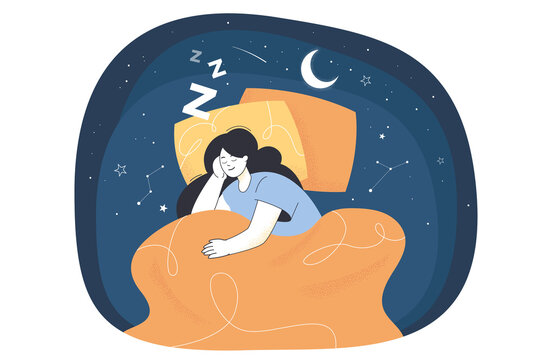
3. Sleep Isn’t a Luxury—It’s a Necessity
Cutting down on sleep to finish work, binge-watch shows, or scroll on your phone seems harmless, but over time, it adds up.
Poor sleep affects your:
Memory
Concentration
Mood regulation
Immunity
Metabolism
More importantly, chronic sleep deprivation increases the risk of anxiety, depression, and high blood pressure.
Aim for 7–8 hours of uninterrupted sleep, and try to maintain a consistent sleep-wake cycle. It’s the most underrated wellness habit.
4. Mental Stress Leaves Physical Scars
Stress isn’t always visible, but your body feels it.
When you're constantly under mental pressure, your body reacts. You may experience:
Digestive issues
Hair fall
Skin breakouts
Irregular periods
Fatigue or body pain
Elevated heart rate
Chronic stress can also lead to emotional burnout, relationship strain, and poor decision-making.
Try adding stress-busting habits like journaling, breathing exercises, nature walks, or speaking to someone you trust. Therapy isn’t just for crisis—it’s also for prevention.

5. The Influence of Social Media and Screen Time
Hours spent scrolling can:
Disrupt your sleep
Reduce physical activity
Lead to comparison, self-doubt, and poor mental health
Increase eye strain and headaches
Being digitally connected doesn't always mean emotionally connected. Limit screen time, especially before bed, and invest in real-world moments. Your mental clarity will thank you.
6. Hydration, Hygiene, and Habits
Simple things like drinking enough water, maintaining personal hygiene, and keeping your surroundings clean affect both your body and mood.
Dehydration causes brain fog, fatigue, and irritability
Skipping showers or hygiene routines can affect your self-esteem
Messy environments increase stress and overwhelm
Small acts of self-care aren’t just tasks—they’re signals to your brain that you matter.
How to Create a Healthier Routine (That Actually Works)
Start small. Don’t change everything overnight.
Be consistent. Even 10 minutes of exercise daily helps.
Plan your meals. Food prep reduces unhealthy snacking.
Create a wind-down routine. Cut screen time an hour before bed.
Prioritize downtime. Unplug to reconnect with yourself.
Conclusion: A Balanced Life is a Healthy Life
You don’t need to be perfect. You just need to be aware.
Each day is a chance to choose habits that lift you up instead of wear you down. Mental health and physical health are two sides of the same coin—when you take care of one, the other flourishes too.
So whether it’s eating better, sleeping enough, or just taking a mindful breath, your lifestyle matters more than you think.
FAQs
Q1. Can mental health really affect physical health?
Yes. Chronic stress, anxiety, and depression can lead to real physical issues like high blood pressure, digestion problems, heart disease, and more.Q2. What are small daily changes I can make for better health?
Start with drinking enough water, walking daily, eating home-cooked meals, limiting screen time, and getting quality sleep.Q3. I work a desk job. How can I stay active?
Try standing or stretching every hour, taking stairs instead of elevators, or doing a short walk during breaks.Your lifestyle is your long-term medicine.
Want to discover tools that support a healthier routine? Visit 👉 www.aarogyaabharat.com