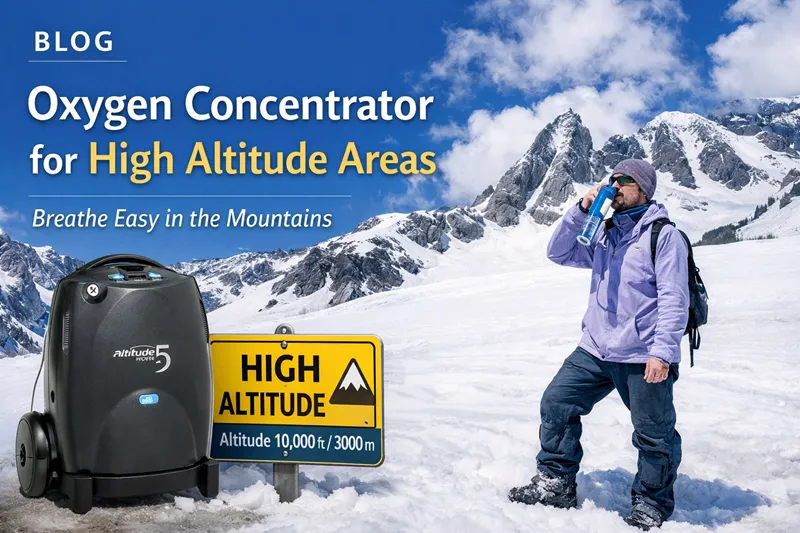
An oxygen concentrator becomes not just a medical device in such environments, but a life-support companion. However, not all oxygen concentrators are designed to work effectively at high altitudes. Many standard home units lose efficiency as altitude increases, making it critical to choose the right model if you or a loved one is planning to stay or travel in elevated regions.
This in-depth guide by Aarogyaa Bharat explains how altitude
affects oxygen levels, why standard concentrators may fail in mountain
conditions, what technical features to look for, and how to safely use an
oxygen concentrator in high altitude areas. Whether you are a permanent
resident of a hill town, a traveller heading to a mountain destination, or a
caregiver supporting a patient in an elevated region, this article will help
you make an informed and confident decision.
Understanding High Altitude and Its Impact on Oxygen Levels
At sea level, the air contains approximately twenty-one
percent oxygen, which is sufficient for the human body to function normally. As
altitude increases, the percentage of oxygen in the air remains the same, but
atmospheric pressure drops. This means that each breath delivers fewer oxygen
molecules into the bloodstream.
At an altitude of around 2,500 meters, oxygen availability
can drop by nearly twenty-five percent compared to sea level. At 4,000 meters,
it can fall by up to forty percent. This reduction can cause symptoms such as
shortness of breath, headaches, fatigue, dizziness, nausea, sleep disturbances,
and in severe cases, high-altitude pulmonary edema or cerebral edema.
For individuals with chronic respiratory diseases like COPD,
asthma, pulmonary fibrosis, or heart conditions, even moderate altitude can
significantly worsen oxygen saturation levels. In such cases, supplemental
oxygen is not optional; it is essential for survival and comfort.
Why Standard Oxygen Concentrators Struggle at High Altitude
Most conventional oxygen concentrators are designed to
operate optimally at sea level or low-altitude environments. Their internal
compressors and molecular sieve systems depend on ambient air density to
extract nitrogen and concentrate oxygen. As altitude increases and air density
decreases, these systems become less efficient.
At higher elevations, a standard concentrator may produce
oxygen with lower purity levels than advertised. A device rated for ninety to
ninety-five percent oxygen concentration at sea level may drop to eighty
percent or lower at high altitudes. This reduced purity may not meet medical
requirements for patients who depend on consistent oxygen therapy.
Additionally, compressors in regular concentrators may
overwork in low-pressure environments, leading to overheating, mechanical
strain, frequent alarms, or unexpected shutdowns. This is why choosing an
altitude-rated oxygen concentrator is critical for high-altitude use.
What Makes an Oxygen Concentrator Suitable for High Altitude Areas
Not all oxygen concentrators are built the same. Devices
suitable for high altitude conditions have specific engineering features that
allow them to function efficiently in low-pressure environments.
High-Altitude Certification
The most important factor is altitude certification. A
concentrator designed for high altitude use is typically rated to function
effectively at elevations of up to 2,500 meters, 3,000 meters, or even 5,000
meters depending on the model. Always check the manufacturer’s altitude rating
before making a purchase or rental decision.
Enhanced Compressor System
High-altitude models use more powerful or optimized
compressors that can draw in sufficient air even when atmospheric pressure is
low. This ensures consistent oxygen flow and purity even in mountainous
regions.
Advanced Molecular Sieve Technology
These devices use higher-quality zeolite sieve beds that can
maintain oxygen separation efficiency even when air density is reduced. This
helps preserve oxygen purity levels closer to medical standards.
Altitude Compensation Technology
Some premium concentrators feature automatic altitude
compensation systems. These systems adjust internal pressure and flow settings
dynamically to maintain stable oxygen output as altitude changes.
Temperature and Humidity Resistance
High-altitude regions often experience extreme temperature
variations. A suitable concentrator should be capable of operating in both cold
and hot conditions without performance degradation.
Types of Oxygen Concentrators for High Altitude Use
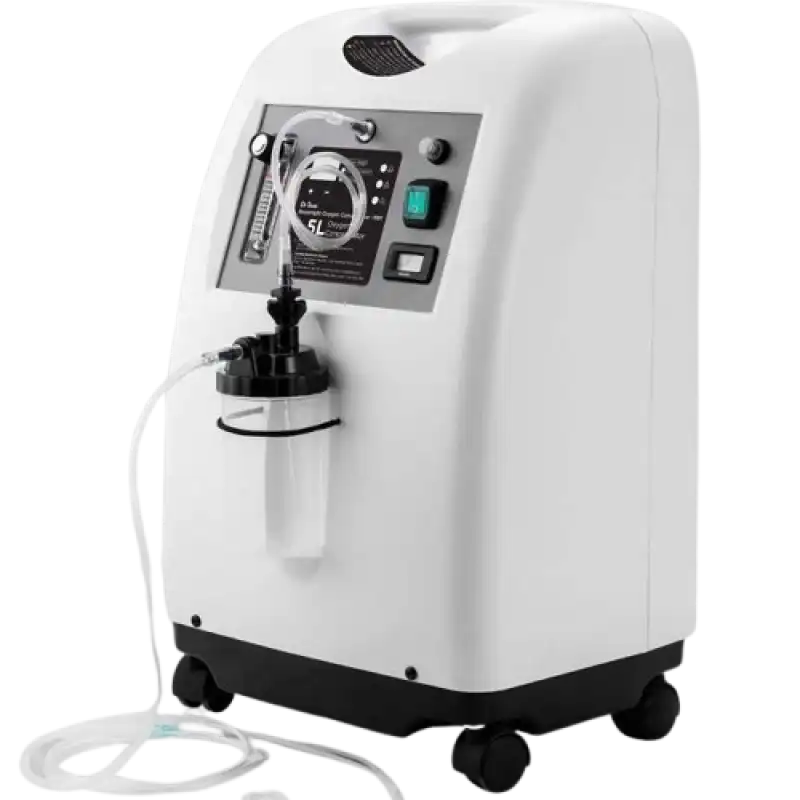
Stationary Oxygen Concentrators
These are best suited for people living permanently in hill
stations or mountainous towns. High-altitude stationary concentrators offer
continuous oxygen flow, higher output capacity, and better long-term
reliability. They are ideal for home use and can support patients who require
oxygen throughout the day or night.
Portable Oxygen Concentrators
Portable concentrators are ideal for travellers and people
who need mobility. However, only certain portable models are rated for high
altitude use. These devices usually operate in pulse-dose mode and have limited
flow capacity compared to stationary units. They are best for mild to moderate
oxygen needs and short-term travel support.
Key Features to Look for in a High-Altitude Oxygen
Concentrator
Choosing the right concentrator for mountain use requires
attention to technical details that many buyers overlook.
Oxygen Purity Stability
Look for models that maintain oxygen purity above ninety
percent even at higher altitudes. This ensures that medical needs are met
consistently.
Flow Rate Capacity
Patients with severe respiratory conditions may require
continuous flow of two to five liters per minute. Ensure the concentrator can
deliver your prescribed flow rate at altitude without performance loss.
Battery Backup and Power Options
High-altitude regions often experience power fluctuations. A
concentrator with battery backup, inverter compatibility, or generator support
is essential for uninterrupted therapy.
Noise Level
In quiet mountain homes and hotels, a loud concentrator can
be disturbing, especially during nighttime use. Look for models with low noise
ratings for better comfort.
Service and Support Availability
Choose brands that offer service support and spare parts
availability in or near high-altitude regions. Quick servicing can be
life-saving in remote areas.
Comparison Table: Standard vs High-Altitude Oxygen Concentrators
|
Feature |
Standard
Concentrator |
High-Altitude
Concentrator |
|
Altitude
Rating |
Sea level to
1,500 m |
Up to
3,000–5,000 m |
|
Oxygen Purity
at Altitude |
Drops
significantly |
Remains
stable |
|
Compressor
Efficiency |
Reduced |
Optimized |
|
Overheating
Risk |
High |
Low |
|
Suitable for
Mountains |
No |
Yes |
|
Long-Term
Reliability |
Moderate |
High |
How to Use an Oxygen Concentrator Safely at High Altitude
Using an oxygen concentrator in mountainous regions requires
additional precautions.
Always place the concentrator in a well-ventilated area to
prevent overheating and ensure proper air intake. Avoid placing it near windows
where cold drafts or direct sunlight may affect internal temperature. Use
voltage stabilizers or inverters to protect the device from power fluctuations.
Keep a backup oxygen source, such as a cylinder, especially in remote areas
where servicing may take time. Monitor oxygen saturation levels regularly using
a pulse oximeter to ensure therapy effectiveness.
Gradual acclimatization is also important. Even with
supplemental oxygen, sudden ascent to high altitude can stress the body. Allow
time for the body to adapt, avoid strenuous activities initially, and stay
hydrated.
Who Needs an Oxygen Concentrator at High Altitude
Not everyone traveling to a hill station needs supplemental
oxygen, but certain groups are at higher risk.
People with COPD, asthma, pulmonary fibrosis, or sleep apnea
may experience worsening symptoms at altitude. Elderly individuals often have
reduced lung efficiency and may struggle with low oxygen levels. Heart patients
may experience increased strain on the cardiovascular system. Post-surgical
patients and individuals recovering from illness may have limited respiratory
reserve. Even healthy travellers may experience acute mountain sickness when
ascending too quickly.
In all these cases, carrying a suitable oxygen concentrator
can provide safety, comfort, and peace of mind.
Renting vs Buying an Oxygen Concentrator for High Altitude Areas
Renting for Short-Term Travel
Renting is ideal for tourists, pilgrims, and short-term
visitors to mountain destinations. Rental concentrators are usually serviced,
tested, and configured for altitude use. This option eliminates maintenance
concerns and reduces upfront costs.
Buying for Long-Term Residence
Buying is more suitable for people living permanently in
high-altitude towns or those with chronic oxygen needs. Ownership allows
customization of equipment, long-term cost savings, and consistent
availability.
Why Aarogyaa Bharat Recommends Altitude-Optimized Models
At Aarogyaa Bharat, we evaluate oxygen concentrators based
on real-world Indian conditions rather than just manufacturer brochures. We
prioritize models that maintain oxygen purity at altitude, offer reliable power
backup options, and have accessible service networks. Every customer is guided
based on their medical prescription, altitude location, duration of stay, and
mobility needs.
Our goal is not just to sell equipment but to ensure safe
breathing, uninterrupted therapy, and complete peace of mind for every user.
Conclusion
High altitude living and travel can be deeply rewarding, but
only when health and safety are protected. An oxygen concentrator suitable for
high altitude areas is not a luxury; it is a medical necessity for many
individuals. Choosing the wrong device can lead to reduced oxygen delivery,
frequent malfunctions, and dangerous health outcomes.
Before heading to the mountains, take the time to understand how altitude affects oxygen therapy, verify altitude ratings, ensure proper battery backup, and arrange service support. With the right oxygen concentrator, you can enjoy the beauty of high-altitude destinations without compromising on health or comfort.