What Is an ICU Bed?
An ICU bed (Intensive Care Unit bed) is a highly specialized
medical bed designed for critically ill patients who require continuous
monitoring, life-support equipment, and frequent medical intervention.
Key Characteristics of ICU Beds
ICU beds are engineered to work as part of a complete
critical-care ecosystem, not as standalone furniture.
High-end ICU beds typically include:
- Fully
electric head, leg, and height adjustment
- Trendelenburg
& reverse Trendelenburg positioning
- CPR
quick-release function
- X-ray
transparent backrest
- Integrated
weighing scale
- Advanced
side-rail controls
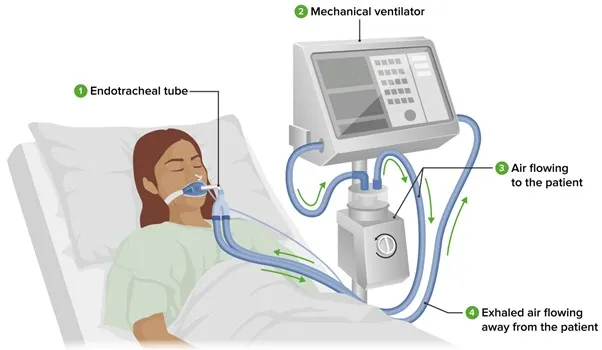
- Compatibility
with ventilators, monitors, infusion pumps, and oxygen systems
Who Needs an ICU Bed?
ICU beds are medically required for patients with:
- Severe
respiratory distress
- Cardiac
emergencies
- Multi-organ
failure
- Severe
trauma or accidents
- Patients
on ventilators
- Post-major
surgery with complications
Important: ICU beds are not designed for comfort
alone they prioritize medical access, emergency response, and clinical
precision.
What Is a Standard Hospital Bed?
A standard hospital bed is designed for general patient
care, recovery, and long-term support. These beds are commonly used in:
- Hospital
wards
- Nursing
homes
- Rehabilitation
centers
- Home
care setups in India
Types of Standard Hospital Beds
Standard beds come in three main variants:
1. Manual Hospital Beds
- Operated
using hand cranks
- Most
affordable
- Low
maintenance
- Ideal
for short-term recovery
2. Semi-Electric Hospital Beds
- Electric
head and leg adjustment
- Manual
height control
- Balance
between comfort and cost
3. Fully Electric Hospital Beds
- Electric
head, leg, and height adjustment
- Easy
for caregivers and elderly users
- Best
for long-term home care
Who Should Use a Standard Hospital Bed?
Standard hospital beds are ideal for:
- Elderly
patients
- Post-surgery
recovery
- Stroke
rehabilitation
- Long-term
bedridden patients
- Home
nursing care
- Physiotherapy
and mobility support
ICU Beds vs Standard Hospital Beds: Detailed Comparison
|
Feature |
ICU Bed |
Standard
Hospital Bed |
|
Medical Use |
Critical care |
General care
& recovery |
|
Monitoring |
Continuous
vital monitoring |
External
monitoring if needed |
|
Electric
Functions |
Fully
electric + advanced |
Manual / semi
/ fully electric |
|
CPR Function |
Yes |
Usually No |
|
Weight
Measurement |
Built-in |
Not available |
|
Ventilator
Support |
Yes |
No |
|
Cost in India |
₹2.5–6+ lakh |
₹15,000–₹1.2
lakh |
|
Home
Suitability |
Rare |
Excellent |
|
Maintenance |
High |
Low |
|
Comfort Focus |
Secondary |
Primary |
ICU Beds for Home Use: Are They Really Necessary?
Many families search for “ICU bed for home” during medical
emergencies. While it sounds reassuring, ICU beds at home are rarely necessary
unless:
- The
patient is ventilator-dependent
- 24×7
trained medical staff is available
- Advanced
monitoring is clinically mandated
Why ICU Beds Are Usually Overkill for Home Care
- Extremely
expensive
- Require
specialized training
- High
power consumption
- Complex
maintenance
- Create
unnecessary stress for family caregivers
In 90% of home care cases, a fully electric hospital bed
with safety rails and a medical mattress provides better comfort and
practicality.
Cost Comparison in India (High-Search Topic)
- Basic
ICU bed: ₹2.5–3.5 lakh
- Advanced
ICU bed: ₹4–6+ lakh
- Additional
equipment (ventilator, monitor, pumps): Extra cost
Standard Hospital Bed Price in India
- Manual
bed: ₹15,000–₹35,000
- Semi-electric
bed: ₹35,000–₹65,000
- Fully
electric bed: ₹65,000–₹1.2 lakh
High-intent keyword insight:
Most Indian families search for “best hospital bed for home care price”, not
ICU beds.
Safety & Comfort: Which Bed Wins?
ICU Bed Safety
- Emergency ready
- Designed for medical staff
- Not comfort-optimized
- Not caregiver-friendly
Standard Hospital Bed Safety
- Side rails prevent falls
- Adjustable sleeping positions
- Pressure-relief mattress compatibility
- Easy caregiver access
For elderly fall prevention, back support, and long-term
comfort, standard hospital beds outperform ICU beds.
Best Bed Choice by Patient Type (India-Focused)
- Elderly
parent at home → Fully electric hospital bed
- Post-surgery
recovery → Semi-electric hospital bed
- Stroke
rehabilitation → Electric hospital bed + air mattress
- Long-term
bedridden patient → Electric bed + anti-bedsore mattress
- Ventilator-dependent
patient → ICU bed (only with medical supervision)
Buying Tips: ICU vs Standard Hospital Bed
Before buying, ask:
- Does
the patient need life-support equipment?
- Is
trained medical staff available at home?
- Is
comfort or emergency access the priority?
- How
long will the bed be used?
- What
is the realistic budget?
Choose ICU beds for critical care environments
Choose standard hospital beds for home care and recovery
Conclusion: Making the Right Choice Between ICU Beds and
Standard Hospital Beds
Choosing between an ICU bed and a standard hospital bed
should never be based on perception alone it must be guided by medical
necessity, patient comfort, duration of care, caregiver capability, and budget.
ICU beds are purpose-built for critical, life-threatening
conditions where continuous monitoring, emergency interventions, and
life-support systems are essential. They are indispensable in hospital ICUs but
often impractical for home use due to high costs, complex operation, power
dependency, and the need for trained medical staff.
On the other hand, standard hospital beds especially
semi-electric and fully electric models are designed with a human-centric
approach, focusing on comfort, safety, dignity, and ease of care. For elderly
patients, post-surgery recovery, stroke rehabilitation, and long-term home
care, standard hospital beds provide the best balance of functionality,
affordability, and daily usability.