Introduction
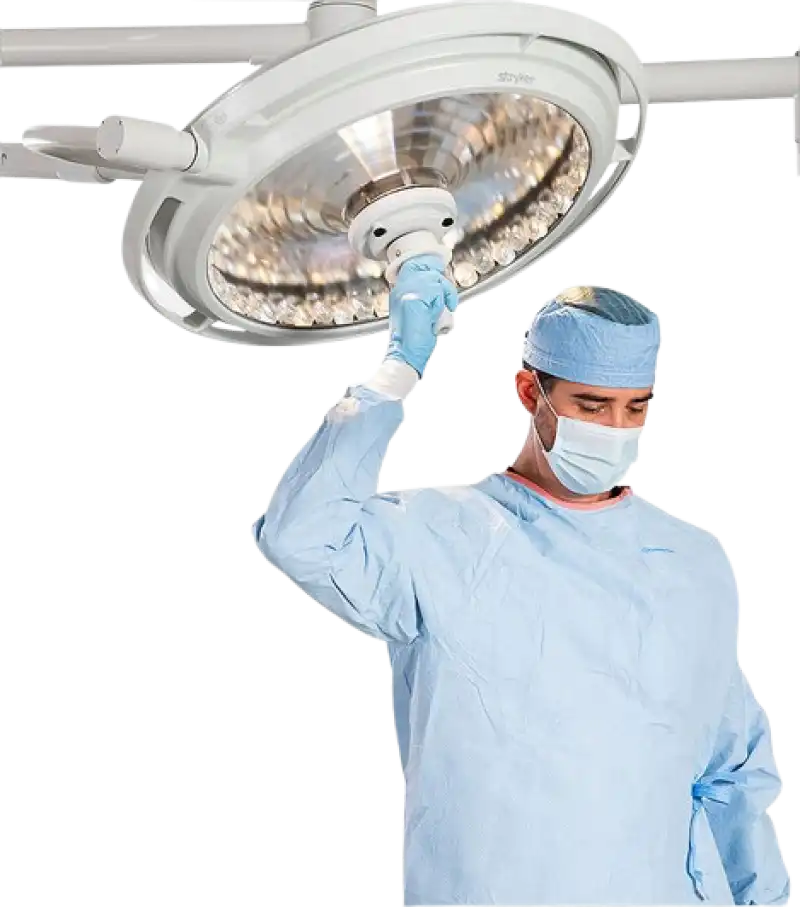
In modern healthcare, surgical lights are an essential part of any operating room (OR). They provide the necessary illumination, clarity, and shadow-free lighting that allow surgeons to perform precise and intricate procedures. Without high-quality lighting, even the most skilled surgeons would struggle to operate safely and effectively.
This guide will explore the importance of surgical lights, their types, features, and benefits, and how to choose the best lighting solutions for operating rooms.
Why Are Surgical Lights Important?
- Enhance visibility – Provide bright, shadow-free illumination for precise surgical procedures.
- Improve accuracy – Help surgeons differentiate tissues, vessels, and organs.
- Reduce eye strain – Prevent fatigue for medical teams working long hours.
- Ensure patient safety – Proper lighting minimizes surgical errors and improves outcomes.
- Maintain sterility – Advanced surgical lights are designed for hygiene and infection control.
Types of Surgical Lights
Overhead (Ceiling-Mounted) Surgical Lights
- Most common type used in operating rooms.
- Adjustable positioning allows focused lighting on the surgical site.
- LED or halogen bulbs ensure bright and consistent illumination.
Wall-Mounted Surgical Lights
- Ideal for smaller operating rooms or clinics.
- Provides a fixed, reliable light source for procedures.
Mobile (Stand) Surgical Lights
- Portable and flexible, used in emergency situations or minor surgeries.
- Can be easily moved and positioned where needed.
LED Surgical Lights (Most Advanced Technology)
- Energy-efficient and long-lasting compared to traditional halogen bulbs.
- Better color rendering for improved tissue differentiation.
- Lower heat emission for a more comfortable surgical environment.
Key Features of High-Quality Surgical Lights
Brightness (Lux Levels)
- The intensity of surgical lights is measured in lux.
- Recommended: 40,000 to 160,000 lux for operating rooms.
Color Temperature & Rendering Index
- Color temperature (measured in Kelvin (K)) should be between 3,000K – 5,000K for a natural daylight effect.
- High Color Rendering Index (CRI) ensures accurate tissue color visibility.
Shadow Reduction Technology
- Advanced multi-source LED systems minimize shadows for uninterrupted visibility.
How to Choose the Right Surgical Lights?
- Consider the type of surgery – Major surgeries require high-intensity LED lights.
- Evaluate light intensity & shadow reduction – Multi-source LEDs prevent shadows.
- Check for adjustable & sterile controls – Touch-free adjustments improve sterility.
- Consider energy consumption & heat management – LED options save energy.
- Look for emergency backup features – Battery-powered backups prevent interruptions.
Frequently Asked Questions (FAQs)
What is the ideal brightness level for surgical lights?
Most modern surgical lights offer 100,000 to 160,000 lux for optimal visibility.
Are LED surgical lights better than halogen lights?
Yes, LED lights last longer, consume less power, and produce less heat than halogen bulbs.
Where can I find high-quality surgical lighting solutions?
Visit Aarogyaabharat.com for a range of advanced surgical lights tailored to hospital needs.
For more insights on surgical lighting, refer to this research article.
Conclusion
Surgical lights are one of the most critical components of an operating room. They provide the illumination needed for precision, safety, and efficiency during medical procedures. Investing in high-quality surgical lights can significantly improve patient outcomes and surgical accuracy.
Looking for reliable, energy-efficient surgical lighting solutions? Explore the best surgical lights at Aarogyaabharat.com today!