A New India Needs a Strong Healthcare Foundation
India is entering a new phase of growth where development is
no longer measured only through industries, roads, or technology parks. The
future of India will also depend on how healthy, safe, and connected its people
are. India 2.0 represents a modern nation built on innovation, accessibility,
and public well-being. Healthcare will play one of the most important roles in
this transformation because healthy citizens create stronger communities and a
stronger economy. Better healthcare systems improve education, productivity,
and quality of life for millions of people. Technology and digital innovation
are already changing the healthcare industry across India, but the future will
require healthcare systems that are smarter, faster, and more accessible for every
citizen. Trust will also become a key part of this journey because patients and
families need healthcare services they can rely on during important moments of
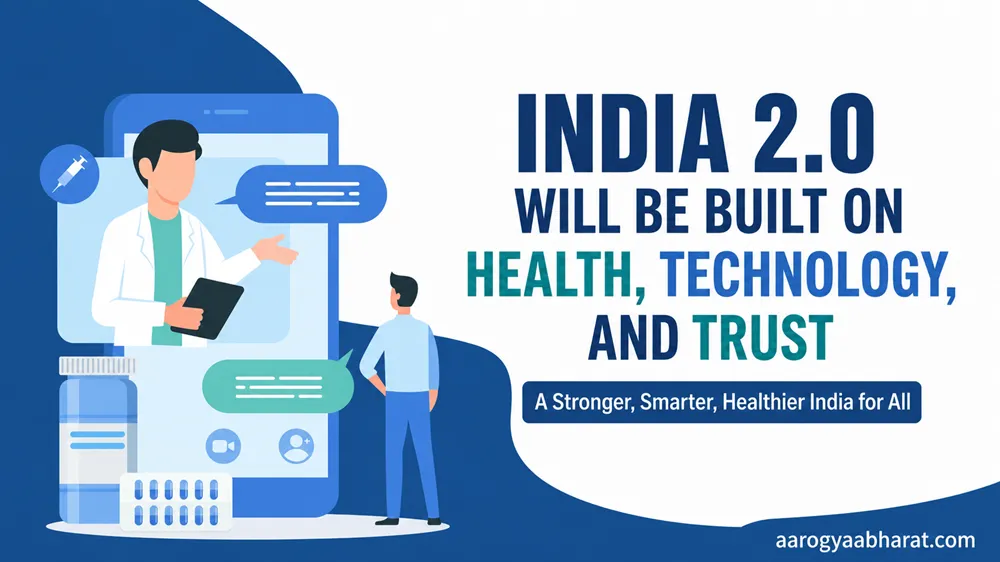
life. India 2.0 will be built on the powerful connection between health,
technology, and trust.
Healthcare Accessibility Must Reach Every Indian
Healthcare accessibility is one of the biggest challenges
and opportunities for future India. While metro cities often have advanced
hospitals and specialist doctors, many Tier 2, Tier 3, and rural regions still
face healthcare gaps. Some families travel long distances for basic treatment
or emergency medical care. India 2.0 cannot become a reality if quality
healthcare remains limited to only large urban areas. Every citizen should have
equal access to hospitals, medicines, diagnostics, emergency care, and
healthcare support regardless of location or income. Better healthcare
accessibility can improve disease management, reduce treatment delays, and
create healthier communities across the country. Affordable healthcare
services, digital healthcare systems, and stronger healthcare logistics can
help close the gap between villages and metro cities. A future-ready India will
need healthcare systems that are connected, inclusive, and patient-focused for
every family.
Technology Is Changing the Future of Healthcare
Technology is transforming healthcare faster than ever
before. Digital healthcare systems are helping patients connect with doctors,
access medical records, and receive healthcare support more conveniently.
Telemedicine platforms, mobile healthcare apps, and digital consultations are
already improving healthcare access in many parts of India. Patients can now
speak with doctors online without traveling long distances for routine medical
advice. Hospitals are also using digital systems to improve patient management
and healthcare efficiency. Technology reduces delays and helps healthcare
providers offer faster and more organized services. Smart healthcare devices
and wearable health monitors are also helping people track their health
conditions at home. As India moves toward a more digital future, healthcare
technology will continue improving treatment quality and patient convenience.
Technology can help make healthcare more accessible, affordable, and efficient
for millions of people across India.
Artificial Intelligence Will Transform Patient Care
Artificial intelligence is becoming an important part of
modern healthcare systems around the world. AI can help doctors analyze medical
data, improve diagnostics, and support faster treatment decisions. In the
future, AI may help identify diseases earlier and improve treatment accuracy
for patients. Artificial intelligence can also support hospitals by improving
patient scheduling, healthcare records, and medical reporting systems.
AI-powered healthcare tools may help doctors monitor chronic diseases and track
patient recovery more effectively. In rural and underserved areas, AI
technology may improve healthcare accessibility where specialist medical
support is limited. While AI cannot replace human doctors or emotional patient
care, it can become a powerful tool that supports healthcare professionals.
India 2.0 will likely see stronger integration of AI into healthcare services,
diagnostics, home healthcare, and patient monitoring systems.
Healthcare Commerce Is Growing Rapidly
Healthcare commerce is becoming an important part of India’s
healthcare ecosystem. Patients today expect healthcare products and services to
be faster, more accessible, and more convenient. Online healthcare platforms,
medical equipment providers, digital pharmacies, and home healthcare services
are changing how people access healthcare support. Families can now order
medical equipment, medicines, and healthcare products from home. Healthcare
commerce also helps smaller cities and remote regions access important medical
supplies more efficiently. Digital healthcare marketplaces are improving
convenience for both patients and healthcare providers. The future of
healthcare commerce will likely include AI-based recommendations, faster
delivery systems, and smarter healthcare management solutions. India 2.0 will
depend on healthcare commerce systems that combine technology, reliability, and
patient convenience to improve healthcare accessibility nationwide.
Trust Is the Most Important Part of Healthcare
Healthcare is deeply connected with emotions, safety, and
human relationships. During medical emergencies or difficult health conditions,
patients and families look for healthcare services they can trust completely.
Technology and AI may improve healthcare systems, but trust will remain the
foundation of patient care. People want accurate information, safe treatment,
reliable healthcare products, and supportive healthcare providers. Trust is
built through honesty, quality service, compassionate support, and patient
safety. Healthcare organizations must focus not only on business growth but
also on patient confidence and long-term relationships. A healthcare system
without trust cannot truly succeed. India 2.0 will need healthcare providers
who combine modern technology with ethical healthcare practices and
compassionate patient support.
Home Healthcare Will Become More Common
Home healthcare is becoming one of the fastest-growing parts
of the healthcare industry in India. Many patients now prefer treatment and
recovery support at home because it improves comfort and convenience. Home
healthcare may include nursing care, physiotherapy, oxygen support, patient
monitoring, rehabilitation, elderly care, and medical equipment rental. Elderly
patients and people recovering after surgery often recover better in familiar
home environments. Smart healthcare devices and digital monitoring systems are
also making home healthcare safer and more efficient. Home healthcare reduces
pressure on hospitals and improves accessibility for families. In the future,
AI and connected healthcare devices may make home healthcare even more
advanced. India 2.0 will likely see major growth in technology-driven home
healthcare services across urban and rural areas.
Better Healthcare Logistics Can Improve Accessibility
Healthcare logistics are very important for improving
treatment access across India. Medicines, oxygen supplies, diagnostic
equipment, vaccines, and emergency healthcare products must reach hospitals and
patients quickly and safely. Many rural areas still face delays in receiving
healthcare supplies because of transportation and infrastructure challenges.
Better healthcare logistics systems can improve emergency response and patient
care quality. Technology-based healthcare supply chains and digital tracking
systems can make medical distribution more organized and reliable. Faster
healthcare logistics also support healthcare commerce and home healthcare
services. Strong healthcare logistics networks will help India create more
equal healthcare access for every citizen.
Preventive Healthcare Will Shape the Future
Preventive healthcare will become more important as India
moves toward a healthier future. Instead of focusing only on treatment after
illness, healthcare systems should also help people stay healthy before serious
diseases develop. Preventive healthcare includes regular health checkups,
healthy eating habits, exercise, vaccinations, mental health awareness, and
early diagnosis. Lifestyle diseases such as diabetes, obesity, and heart
conditions are increasing rapidly in India because of stress and unhealthy
routines. Technology and AI can help people monitor their health conditions and
receive early warnings about potential health risks. Better preventive
healthcare reduces healthcare costs and improves long-term public health. India
2.0 must focus on creating healthier lifestyles and stronger healthcare
awareness across communities.
Rural Healthcare Needs Digital Transformation
Many villages and small towns in India still face healthcare
shortages and limited medical infrastructure. Digital healthcare systems and
technology can help reduce these healthcare gaps significantly. Telemedicine
allows patients in remote areas to consult doctors without traveling long
distances. Digital healthcare records can improve treatment continuity and
patient management. Mobile healthcare units and healthcare apps can also
improve medical awareness and preventive care. AI-based healthcare tools may
support diagnostics in regions where specialist doctors are unavailable. Rural
healthcare development is essential for India’s future because healthcare
should reach every citizen equally. Technology can help connect villages with
better medical support and healthcare services.
Human Connection Will Always Matter
Even with advanced technology and AI, healthcare will always
remain deeply human. Patients need emotional support, empathy, and reassurance
during difficult times. Doctors, nurses, caregivers, and healthcare providers
play important roles in building trust and improving patient confidence.
Technology can support healthcare systems, but compassionate care will always
remain important for recovery and emotional well-being. India 2.0 should focus
not only on innovation but also on humanity in healthcare. A balanced
healthcare system combines smart technology with strong human values. This
approach creates safer, more supportive, and more trusted healthcare
experiences for patients and families.
India’s Future Depends on Health and Innovation
India has the opportunity to become one of the world’s
leading healthcare and technology-driven nations. Strong healthcare
infrastructure, digital healthcare, AI, preventive care, healthcare commerce,
and better accessibility can improve millions of lives across the country.
Future healthcare systems should become more connected, affordable, and
patient-focused. Technology and trust must grow together to create healthcare
systems that people truly believe in. India 2.0 is not only about economic
growth or digital transformation. It is also about creating a healthier society
where every person can access safe and quality healthcare services with dignity
and confidence. Health, technology, and trust together can shape a stronger and
more developed India for future generations.
Conclusion
India 2.0 will be built on the strong connection between healthcare, technology, and trust. Better healthcare accessibility, digital healthcare systems, AI-driven innovation, and patient-focused services can improve the lives of millions of people across India. Healthcare commerce and home healthcare are also transforming how families receive treatment and support. At the same time, trust and compassionate care remain essential for building strong healthcare relationships. India’s future growth depends greatly on creating healthcare systems that are modern, affordable, reliable, and accessible for everyone. By combining innovation with humanity, India can build a healthier, smarter, and stronger future for generations to come.