If your doctor has advised home oxygen therapy, understanding the difference between an oxygen concentrator and an oxygen cylinder is critical before making a purchase or rental decision. In this guide, we explain how both devices work, when they are used, their cost, size differences, safety precautions, and how to choose the right option for home use.
What Is an Oxygen Cylinder?
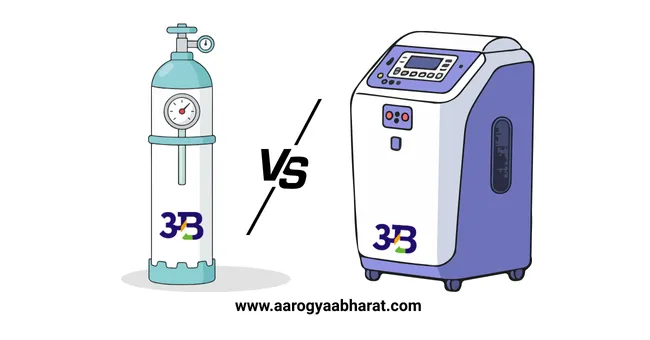
An oxygen cylinder (oxygen tank) is a metal container that stores compressed medical-grade oxygen under high pressure. The oxygen is released through a regulator and delivered to the patient via a mask or nasal cannula.
Key Features of Oxygen Cylinders:
-
Stores a limited quantity of oxygen
-
Requires regular refilling
-
Works without electricity
-
Available in multiple sizes (B, C, D, Jumbo)
-
Used in homes, ambulances, and hospitals
Since cylinders contain a fixed oxygen supply, they run out once empty and must be refilled to continue therapy.
What Is an Oxygen Concentrator?
An oxygen concentrator is an electric medical device that extracts oxygen from the surrounding air, filters out nitrogen, and delivers 95% pure oxygen directly to the patient. Unlike a cylinder, it does not store oxygen and therefore provides an unlimited oxygen supply as long as power is available.
How It Works:
-
Draws room air
-
Removes nitrogen through molecular sieves
-
Concentrates oxygen
-
Delivers purified oxygen via cannula or mask
No refilling is required. Only electricity is needed.
Types of Oxygen Concentrators
1. Continuous Flow Oxygen Concentrator
Delivers oxygen continuously at a fixed flow rate. Best for patients who need steady oxygen supply all day and night.
2. Pulse Flow Oxygen Concentrator
Releases oxygen only when the patient inhales. These are portable, battery-powered, and ideal for active users.
Both types are widely used for home oxygen therapy.
Medical Conditions Requiring Home Oxygen Therapy
Home oxygen may be prescribed for patients suffering from:
-
Chronic Obstructive Pulmonary Disease (COPD)
-
Asthma
-
COVID-19 recovery
-
Lung cancer
-
Pulmonary fibrosis
-
Chronic bronchitis
-
Congestive heart failure
-
Severe pneumonia
-
Post-surgical recovery
When SpO₂ levels fall below 94%, oxygen therapy is recommended. Levels below 88–85% require immediate medical oxygen support.
Oxygen Cylinder vs Oxygen Concentrator for Home Use
| Feature | Oxygen Cylinder | Oxygen Concentrator |
|---|---|---|
| Oxygen Supply | Limited | Unlimited |
| Refilling Required | Yes | No |
| Power Required | No | Yes |
| Portability | Heavy | Lightweight |
| Maintenance | High | Low |
| Operating Cost | High (refills) | Low (electricity) |
| Emergency Use | Yes | Needs backup |
Doctors usually prescribe:
-
Oxygen cylinder → For short-term or emergency use
-
Oxygen concentrator → For long-term continuous therapy
Important Safety Guidelines for Home Oxygen Use
-
Always use medical-grade oxygen
-
Monitor oxygen saturation using a pulse oximeter
-
Keep the device away from fire, smoking, or gas stoves
-
Place cylinders upright and secured
-
Ensure the concentrator capacity matches your oxygen requirement
-
Maintain proper room ventilation
-
Contact your doctor immediately if breathing worsens
Cost Difference Between Oxygen Cylinder & Oxygen Concentrator
Oxygen Cylinder Cost:
-
Low initial cost
-
High long-term expense due to:
-
Refilling
-
Transportation
-
Regulator maintenance
-
Oxygen Concentrator Cost:
-
Higher upfront cost
-
Lower long-term expense
-
Only running cost is electricity
Rental Option:
For short-term needs, renting oxygen cylinders or concentrators is economical and hassle-free. Rental includes servicing and replacement support.
Size & Portability Comparison
Oxygen Cylinders:
-
Heavy metal tanks
-
Difficult to transport
-
Often requires trolleys
-
Larger capacity = higher cost
Oxygen Concentrators:
-
Lightweight plastic body
-
Easy to move
-
Compact home models
-
Portable battery-powered models available
Portable oxygen concentrators are ideal for:
-
Elderly patients
-
Travel
-
Outdoor mobility
Advantages of Oxygen Concentrators
-
Continuous oxygen supply
-
No refilling required
-
Lower long-term cost
-
Easy maintenance
-
Portable models available
-
Safe for indoor use
Disadvantages of Oxygen Cylinders
-
Limited oxygen supply
-
Requires frequent refilling
-
Heavy and bulky
-
Transportation challenges
-
Higher long-term cost
Can You Sleep with an Oxygen Concentrator?
Yes. Home oxygen concentrators are designed for 24×7 use, including nighttime therapy. Many patients use oxygen during sleep safely under medical supervision.
Does an Oxygen Concentrator Produce 100% Oxygen?
No. Oxygen concentrators produce 90–95% pure oxygen, which is medically sufficient for most respiratory conditions. Flow rates typically range from 1 to 10 LPM depending on the model.
Possible Side Effects of Oxygen Therapy
-
Dry nose or throat
-
Nose bleeding
-
Mild headache
-
Fatigue
-
Skin irritation from the mask
Always follow prescribed flow rates and avoid over-oxygenation.
Which Device Should You Choose?
Choose Oxygen Concentrator if:
-
You need oxygen for long hours
-
You want low operational cost
-
You prefer maintenance-free operation
Choose Oxygen Cylinder if:
-
You need oxygen temporarily
-
You require emergency backup
-
You are in a power-cut prone area
Most doctors recommend using both together for safety.
Conclusion
Both oxygen cylinders and oxygen concentrators are life-saving medical devices when used correctly. The right choice depends on your medical condition, oxygen requirement, home infrastructure, and budget. For long-term therapy, oxygen concentrators are the most economical and convenient choice, while oxygen cylinders remain essential as emergency backups.
Always consult your healthcare provider before starting home oxygen therapy.
Frequently Asked Questions (FAQs)
Can an oxygen concentrator be used every day?
Yes, oxygen concentrators are built for continuous daily use under medical guidance.
Is oxygen therapy safe at home?
Yes, when used as prescribed and with proper safety precautions.
How long does a home oxygen concentrator last?
With proper maintenance, most concentrators last 5–10 years.
Do oxygen concentrators work during power cuts?
No, unless supported by battery or inverter backup.
How Aarogyaa Bharat Can Help
Through aarogyaabharat.com, you can:
-
Find oxygen concentrators & cylinders for rent or purchase
-
Get assistance in choosing the right oxygen device
-
Access medical equipment at affordable prices
-
Receive home delivery support across multiple cities